
Hello its tea time! I finally got my computer back from the repair shop.
Gottschall_veritas. Green Tea, SCD, & Me. Just back from skiing and will post on that later but in the meantime I thought I would include a short blurb on green tea so here it goes.... I love green tea. In my past life I drank coffee and black tea. A compilation of advice for using the Low Oxalate Diet for Autism. Oxalate. Calcium oxalate crystals are formed in urine. The relative solubility increases much more with an increase in the oxalate concentration than with an increase in the calcium concentration. Thus, increased oxalate is likely to cause crystal formation in the urine, and eventually kidney stones.
Recipes/Food Lists-Low Oxalate Diet. Food Lists Guide The tabs in this panel contain food charts that show the oxalate content, the GFCF status, SCD status and salicylate content of many foods.
Each individual chart lists the items alphabetically. What is SCD (Specific Carbohydrate Diet)? TwoStepsSCD. Roost - Roost: A Simple Life. Straight Into Bed Cakefree and Dried. For New SCDers « Eating SCD. I’ve gotten that question enough times that I thought I’d save some typing and put it in a post.
So here it is, my suggestion list for new SCDers: - Read Breaking the Vicious Cycle cover to cover. Then read it again. - Download my illegal/legal foods cheat sheet. Almond Flour. Almond flour is a staple of the Specific Carbohydrate Diet. I have been using it for ten years, basically since I started the diet. It takes some getting used to. The baked goods do not have the same texture or taste as their flour counterparts, but they can be a good substitute. Now that the SCD has gained popularity there are several cookbooks, websites, and blogs that have almond flour recipes. I will be posting some of my own soon! There are a few rules of thumb I use when baking with almond flour: Almonds have oil in them, so if you are adapting a recipe that uses flour it is good to cut back on the butter or oil.
Beef Stock Recipe, How to Make Beef Stock. 1 Preheat oven to 400°F.
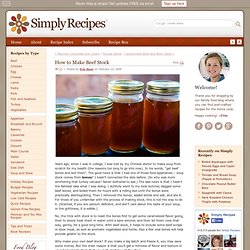
Rub a little olive oil over the stew meat pieces, carrots, and onions. Place stock bones, stew meat or beef scraps, carrots and onions in a large, shallow roasting pan. Roast in oven for about 45 minutes, turning the bones and meat pieces half-way through the cooking, until nicely browned. If bones begin to char at all during this cooking process, lower the heat. They should brown, not burn. 2 When the bones and meat are nicely browned, remove them and the vegetables and place them in a large (12 to 16 quart) stock pot. 3 Add celery tops, garlic, parsley, bay leaves, and peppercorns to the stock pot. 4 As the stock cooks, fat will be released from the bone marrow and stew meat and rise to the top. Naturopathic Physician on Her Career Choice (Feb/Mar 2005) Introduction Broth, made from the bones of animals, has been consumed as a source of nourishment for humankind throughout the ages.
Fast Fish Stock: Bonito Broth. And don’t worry if you’re just getting started — I’ll be doing random double- and triple-points days throughout the month so you can catch up.
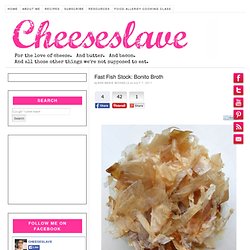
Bonito broth, or dashi, is a Japanese stock. It is the fastest bone broth you can make. If you’re in a hurry to get dinner on and you’ve run out of homemade stock, throw on a pot of bonito broth and you’ll have it ready within 2-4 hours. The length of time that you need to simmer bone broth depends on the size of the bones. Health Promoting Bone Broth (For soups or drinking) « Balance Your Apple. The idea with bone broth is to extract minerals from the bones while enriching the liquid with minerals and vitamins from vegetables.
Fermentation in the gut and CFS - DoctorMyhill. An introduction to the microbiome. 30 Days on GAPS Intro Handbook. DietNet. Gut & Psychology Syndrome™ by Natasha Campbell-McBride This book is a well-researched, science-based summary of the genetic-nutritional-biochemical factors that link Autism, ADD, ADHD, Dyspraxia, Dyslexia, Depression and Schizophrenia to digestive dysfunction.
Dr. Campbell-McBride applied her training in neurology and nutrition to help her own autistic son. The GAPS diet brings together the best of the dietary aspects that are helpful for both gut dysfunction and mental or developmental issues. How does a ketogenic diet affect cortisol levels? - Paleo Hacks.com. Perfect Health Diet. The SCD diet has serious flaws and errors that limits healing. (diet diabetes carbohydrates aids allergies) - Mombu the Medicine Forum.
SCD helps some people with intestinal diseases, but the result is sporadic.
Many people continue to experience pain, intestinal bleeding, constipation, diarrhea and flare-ups on the Specific Carbohydrate Diet (SCD). Many continue for years with some improvement but cannot live a symptom free life without drugs. This occurs because the SCD diet has serious flaws and errors. The elimination of grains and sugar certainly helps, but they continue to have these problems because they continue to eat foods that are causing the growth of pathogenic bacteria and autoimmune reactions. You will find many people reporting problems with yogurt, honey, fruit, nuts and other foods supposedly "legal" on SCD. My wife did not heal on SCD so I did a bunch of research and developed the diet plan. SCD allows many nut and seed oils which are omega-6 fatty acids. SCD allows fruit which contains high levels of fructose. Do not eat honey. Comfy Tummy - SCD, Paleo, and Gluten Free - Health And Healing Through Food And Nutrition. Specific Carbohydrate Diet.
Spaghetti (Squash) Pie In my mind, squash is the champion of winter vegetable storage.
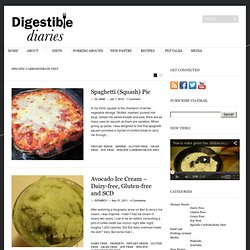
Stuffed, mashed, pureed into soup, baked into sweet breads and pies, there are as many uses for squash as there are varieties. When giving up pasta, I was delighted to find that spaghetti squash provided a myriad of comfort foods to carry me through... Avocado Ice Cream – Dairy-free, Gluten-free and SCD. Allergy Free and Whole Food Menu Planners for Anyone on a Limited Diet. Modern Alternative Mama - Blog - The GAPS Diet. **This post has been entered in Real Food Wednesdays at Kelly the Kitchen Kop! ** GAPS home page.