

Den magiska dörren -ett romanprojekt | Josef Sahlin Idé och lärarhandledning av Josef Sahlin 2011 Tryck på länken för att ladda ner en utskriftsvänlig version: Den magiska dörren Läs elevexempel på bibblis.se Den magiska dörren är ett romanprojekt för de yngre åldrarna, i syfte att öka skrivlusten och öva på olika moment i svenskämnet. Inspiration har hämtats från boken Stråk av bildspråk (Natur och kultur) och dess populära romanprojekt Huset. Läs gärna denna bok för mer bakgrund och förkovran i idéer om skrivprocesser. Upprinnelsen till att jag skrev det här materialet var från början att jag fick en halv klassuppsättning datorer till klassen och med det fick möjlighet att tänka om lite kring undervisningen, hur jag på bästa sätt kunde använda dessa. Arbetet går givetvis också bra att utföra med papper och penna. Anledningen till att det här romanprojektet just fick heta Den magiska dörren är att vi har en synnerligen märklig dörr i skolan där jag jobbar. Att hitta på en historia från ingenting är svårt även för oss vuxna. Framsida
Lesson 8 - What are human rights? Overview Through an interactive marketplace activity, students discover that we never have to choose our human rights, they belong to everybody in the world and every human right is needed to live and grow. Download the teacher notes for the full lesson plan and guidance on how to deliver the activities. Learning objectives Understand that human rights belong to everybody.Understand that every human right is important for human beings to live and grow. Subject links CitizenshipPSHEEEnglishDramaBusiness and enterprise Resources Note: lesson timings are a suggestion only and will depend on your teaching style, student ability and length of discussion. If you have any enquiries about the lesson resources please email: education@equalityhumanrights.com What can we learn from Nelson Mandela to make a difference? - Official WizIQ Teach Blog 539 Flares Twitter 1 Facebook 532 Google+ 3 LinkedIn 3 inShare3 539 Flares × We teach language to help people communicate. Why do people want to communicate? To express the human story through myth, inspiration and powerful transformation. Image credit: Paul Don Smith What can we teach students about Nelson Mandela through the power of video and multi-media? Let’s dig a little deeper to find out;) 1) The Video: I chose this BBC video as a modern day look at Mandela’s legacy beyond South Africa. Then we ask questions and dig a lot deeper. Beyond politics, what other dark forces in our human nature perpetuate the kinds of violence and prejudice that can seem to be so innate in humanity as to be chilling to the core. When we stare into the black hole of violence and face the shadow side of life, how to we remain optimistic, inspired and willing to risk all for the common good? Our better natures. Where are they when we need them? 2) Watch, think, and dig deeper. 3) WHO is Nelson Mandela?
Skrivmall till sommarpratare När vi gått igenom sommarpratens uppbyggnad och utformning är det dag att skriva egna sommarprat och spela in dem digitalt. Här får du en kom-ihåg-hjälp i hur talen utformas, byggs upp och förslag på hur och vad du kan skriva om. Du kommer också få lära dig mer om dramaturgin. Ditt tal ska förstärkas med hjälp av bild och musik som du kommer få lära dig mer om hur du får använda. Talets utformning Ditt prat ska vara anpassat för målgruppen P1 och ska därför spelas in digitaltDitt prat ska skrivas med anpassning för texttypen och innehålla en tydlig början, mitt och ett slut enligt dramaturgin.Ditt prat ska innehålla ord och uttryck för känslor. Skrivall till sommarprat För att få hjälp i ert skrivande kan ni använda er av denna skrivmall som en hjälp. Anslag Den första delen av berättelsen som etablerar en känsla och blir ingången till det du ska prata om. Du kan börja så här: En speciell händelse från högstadiet är… Så här känns det att sluta skolan… Om jag fick gå om nian skulle jag… Avtoning
On the Universality of Human Rights Founded in 1961, Amnesty International is the world's largest human rights organization, with over one million members worldwide. The organization works to free prisoners of conscience, to gain fair trials for political prisoners, to end torture and political killings, and to abolish the death penalty throughout the world. In 1977 Amnesty International was awarded the Nobel Peace Prize. Amnesty International's main Web site is www.amnesty.org. Last spring my friend's teenage son quizzed me about the work of Amnesty International in a conversation best described as politely aggressive. "Wait a minute," he challenged. "A hundred years or more, I suppose. "Then what gives us the right to tell them what to do?" I paused. My conversation with Adam exemplifies a broader debate taking place today about cultural relativity and the universality of human rights. Politically sensitive Americans today don the mantle of cultural guilt too readily. The Living Document of the UDHR Richard O.
How is Social Media Transforming Human Rights Monitoring? Syrian youths, inside a vehicle, film a protest against the regime of Syrian President Bashar al-Assad with their phones in the northern city of Aleppo on October 12, 2012. (Photo: TAUSEEF MUSTAFA/AFP/Getty Images) Social media is increasingly helpful to not only monitor emerging human rights emergencies, but also to uncover incorrect information. A recent example is when Twitter helped me to spot incorrect contextual information on a newly uploaded execution video from Syria. Of course, citizen journalism is not a new phenomenon―think of the Rodney King case in the early 1990s, to name just one well known example. The crime scene at your fingertips Similar to journalists, human rights researchers cannot cover all places at once and may be denied access to a potential crime scene altogether. In early December, a gruesome video came across my screen that depicted a child taking part in a beheading, reportedly the weekend of December 8, 2012, in Homs. Social media as evidence Limitations
Anders & S rens skriv vningar Om du har läst våra skrivtips så vet du att vi ofta iakttar andra människor. Som författare har man alltid ögon och öron öppna för att se vad som inträffar, eller som nästan råkar hända. Det finns oändligt många händelser i böckerna som har hänt oss själva, någon vi känner eller som vi hört talas om. Ett annat väldigt bra sätt att träna på ditt eget skrivande är att läsa andras berättelser. Därför är det bra att läsa samma bok flera gånger. Det alltså bra att öva på sitt berättande. Här hittar du skrivövningar och ett arbetsblad att skriva ut (pdf).
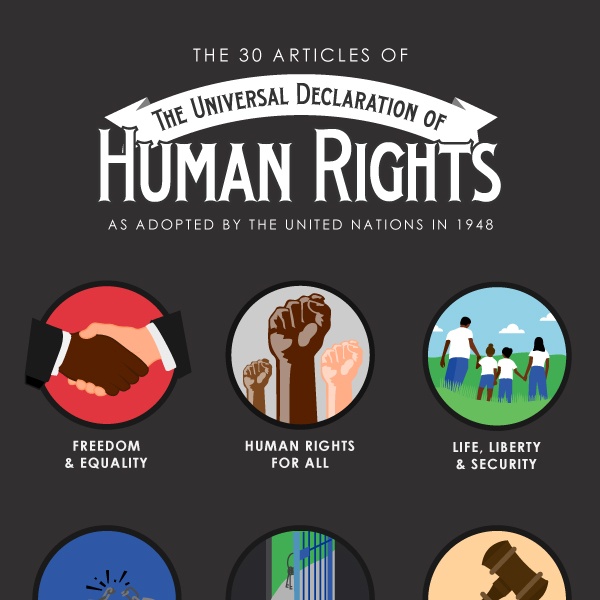
United Nations Human Rights International Principles on the Application of Human Rights to Communications Surveillance | Necessary and Proportionate SKRIVPROCESSEN - Poster by Annika Sjödahl Debating Human Rights – universal or relative to culture? | DevelopmentEducation.ie Rachid Ait-Kaci, Morocco. For more cartoons see For human rights activists, the 1948 Universal Declaration of Human Rights (UDHR) is a sacred document. Its 30 different articles outline the political, economic, social rights that we are all entitled to – no matter who we are – because we are born human. By such reckoning, the universality of human rights is beyond question. Created in the aftermath of the Second World War and the horrors of the holocaust, the declaration was an attempt to ensure that such a catastrophe could never ever take place again. “with no distinction given to their race, colour, sex, language, religion, political or other opinion, national or social origin, property, birth or other status.” - Article 2, UDHRs In spite of this, the universality of the document has been criticised by some, not least by members of the American Anthropological Association (AAA). In some ways they are right. Further reading
Commission Website: Information for Students - Human Rights Essentials - Human Rights Timeline Human rights can be traced back through many centuries of history. You can also access the text only version of the timeline. Please note that the timeline below includes links to external websites. These links have been included for your information. Report broken links to: education@humanrights.gov.au Jump to:[Early Civilization] [1200 - 300 BCE] [Greek city-states] [500 BCE] [27 BCE - 476 CE] [40 - 100 CE] [476 – 1453] [1215] [1492 – 1537] [1583 -1645] [1628] [1648] [1689] [1776] [1789] [1791] [1815] [1833] [1841] [1848] [1863] [1885] [1890] [1893] [1901] [1902] [1907] [1914] [1919] [1920] [1926] [1930] [1933-1939] [1939] [1939-1945] [1941] [1942] [1945] [1946] [1948] [1949] [1951] [1953] [1958] [1961] [1962] [1965] [1966] [1967] [1973] [1975] [1976] [1979] [1981] [1984] [1986] [1989] [1990] [1992] [1993] [1994 – 2005] [1994] [1995] [1998] [2002] [2004] [2005] Early Civilization Click here to read The Code of Hamurabi, Translated by L. Back to top Greek city-states U.S.