computation
Get flash to fully experience Pearltrees
complexity
Grid Computing Info Centre
Journal of Architecture and Computation
[Nullpointer]
//////////////////////////////// News All new content is now here (including thinkinggames) This website is staying around as an archive of sorts Nullpointer presentation at Freeplay Australian Independent Games/Art conference.Gallery of network images
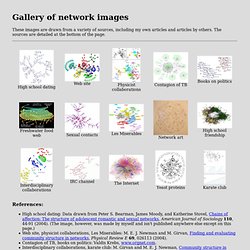
These images are drawn from a variety of sources, including my own articles and articles by others. The sources are detailed at the bottom of the page. High school dating: Data drawn from Peter S.Ubiquitous computing names the third wave in computing, just now beginning. First were mainframes, each shared by lots of people. Now we are in the personal computing era, person and machine staring uneasily at each other across the desktop. Next comes ubiquitous computing, or the age of calm technology , when technology recedes into the background of our lives.
uitous Computing
Forum on Ubiquitous Computing
CityBuilder
2003-10-27 : It seems that several people out there are interested in my Syndicate level viewer. I've scraped together all of my Syndicate-related code and packaged it in one tidy tarball; you can download it from the sourceforge file-release page. If you download it, make sure to read the README file. Also, the RNC decompressor can be found at this site.chronotext.org
A year of recognition and maturity... The ongoing research on text at chronotext.org can now be inscribed in a perspective of two thousand years of biblical reading, with the commission of a permanent work by the Shrine of the Book at the Israel Museum, Jerusalem. In parallel, considerable progress has been achieved with OpenGL technology, multiplying the previous figures (dozen of thousands of text characters are now flying over...)Currently under development, Studio Hyperset ‘s Social Fiction project is an experiment in modern, network-driven literary creation, criticism, and sales.
socialfiction.org
"Wiener’s work before and during World War II led to the publishing of Cybernetics, or control and communication in the animal and machine in 1948. In it, he described a new way of looking at how the world functioned, based on his research on the way in which information is transmitted and processed. He saw a world that focused on information, not energy; and on digital or numeric processes, not machine or analog. His theories not only laid the foundation for this new field of study, they also largely predicted the future development of computers." Homage to Norbert Wiener "This suite of works, as 'homage', provides a playful cybernetic exercise which touches the very heart of the 'human - machine' dialectic.
Norbert Wiener related links
I propose to consider the question, "Can machines think?" This should begin with definitions of the meaning of the terms "machine" and "think." The definitions might be framed so as to reflect so far as possible the normal use of the words, but this attitude is dangerous, If the meaning of the words "machine" and "think" are to be found by examining how they are commonly used it is difficult to escape the conclusion that the meaning and the answer to the question, "Can machines think?" is to be sought in a statistical survey such as a Gallup poll. But this is absurd. Instead of attempting such a definition I shall replace the question by another, which is closely related to it and is expressed in relatively unambiguous words.