
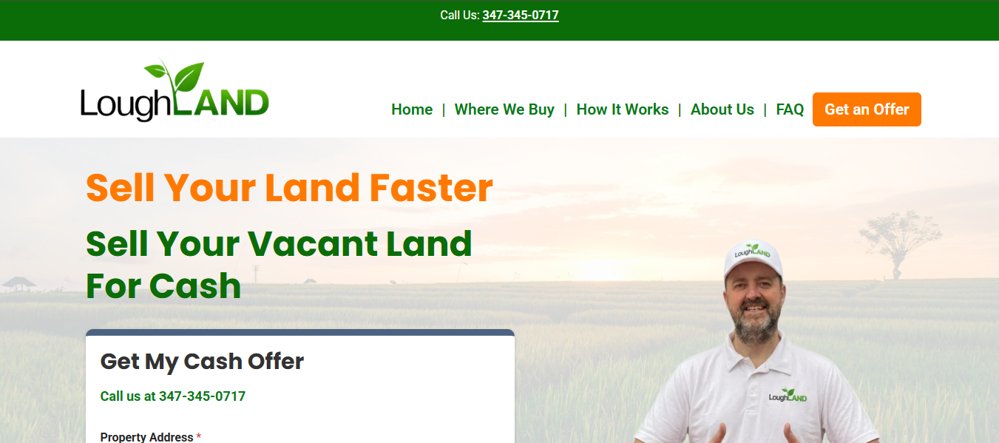
Selling vacant land can be different from selling a house or commercial building. Undeveloped property may not generate income, yet owners may still need to pay property taxes, handle paperwork, or manage other ongoing responsibilities. For people who no longer need their land, a direct cash sale may offer an alternative to listing the property on the open market.
Lough Land LLC is one company property owners can research when considering a direct sale. Understanding how cash transactions work, what buyers evaluate, and which documents may be needed can help sellers make informed decisions before moving forward.
A direct cash sale generally involves selling property directly to a buyer rather than marketing it through a traditional real estate listing. Depending on the transaction, this approach may reduce some of the steps associated with public marketing, showings, and negotiations with multiple prospective buyers.
However, a direct sale still requires careful review. The buyer needs to evaluate the property's characteristics, while the seller should confirm ownership, understand the proposed terms, and determine whether the offer meets their goals.
Although the term “cash sale” is commonly used, sellers should clarify how the purchase will be funded and completed. A legitimate transaction typically involves documented agreements and an appropriate closing process, which may include a title company, attorney, or other qualified professional depending on the location.
There are many reasons someone may decide to sell vacant property. A parcel may have been inherited from a relative, purchased years ago as an investment, or acquired with plans that eventually changed. Some owners live far from their land and prefer not to manage it from a distance.
A direct sale may be worth exploring for owners who want to:
· Reduce the time spent managing property they no longer use.
· Consider an alternative to a traditional real estate listing.
· Avoid coordinating property showings and extensive marketing.
· Evaluate a potential sale without committing immediately.
· Understand whether selling is more practical than continuing to hold the land.
Every property and seller's circumstances are different. A direct transaction is not automatically the best option, so comparing the expected proceeds, costs, timing, and terms with other selling methods remains important.
Although procedures vary by buyer and property, most direct land transactions follow several general stages.
The process often begins with information about the parcel. Sellers may need to provide the property's location, parcel identification number, approximate acreage, and any available ownership or tax records.
If you want to explore a potential sale through Lough Land, you can visit the company's website to learn more about its approach and determine how to proceed with an inquiry.
A prospective buyer may evaluate the land's location, size, access, zoning, permitted uses, and other relevant characteristics. Environmental restrictions, flood risks, easements, utility availability, and development limitations may also affect the property's potential value.
The depth of the review depends on the parcel and the buyer's requirements. Accurate information helps both sides understand the property and identify questions that may need to be resolved before closing.
If the buyer is interested, they may present a purchase offer outlining the proposed price and important conditions. Sellers should review the amount, any contingencies, closing costs, expected timeline, and responsibilities assigned to each party.
When you are ready to request an offer, first make sure you understand what information the buyer needs and whether submitting it creates any obligation. Asking questions early can help prevent confusion later.
Before signing a final agreement, the parties may need to verify ownership, review title records, resolve outstanding issues, and confirm that the transaction can proceed. Depending on the location and circumstances, a closing professional may coordinate the documents and transfer of ownership.
Sellers should never assume that a proposed sale is complete simply because an offer has been discussed. The transaction should be documented, and funds and ownership documents should be handled through an appropriate closing process.
A buyer's offer is usually based on a combination of property-specific and market-related factors. Understanding these considerations can help owners evaluate a proposal more realistically.
Location and nearby demand: Land near established communities, roads, or areas experiencing development may attract different levels of buyer interest than remote parcels.
Size and configuration: Acreage matters, but shape, frontage, terrain, and the property's usable area may also affect its appeal.
Access: Legal and practical access can be significant. Buyers may examine whether the parcel connects to a public road or depends on an easement.
Zoning and permitted uses: Local regulations help determine what activities or development may be allowed. Sellers should avoid assuming that a parcel can be built on without verifying the applicable requirements.
Title and ownership: Clear ownership records can make a transaction easier to evaluate. Liens, unresolved inheritance matters, boundary disputes, or other title issues may require additional work.
Market conditions: Recent comparable land sales, buyer demand, and local economic conditions can influence the price a buyer is willing to offer.
A cash offer may differ from an estimated retail listing price because the buyer may account for resale costs, due diligence, holding expenses, uncertainty, and the time needed to sell the parcel later.
Sellers do not necessarily need every document before making an initial inquiry, but gathering available records can make the discussion more productive. Useful information may include:
· The parcel number and property address or legal description.
· A recent property tax bill or assessment record.
· The deed or other ownership documentation.
· A survey or boundary information, if available.
· Details about road access, easements, utilities, or known restrictions.
· Information about co-owners, inherited ownership, or outstanding obligations.
If some documents are missing, explain that at the beginning rather than guessing about the details. A title professional or local authority may be able to help determine which records are needed.
Before agreeing to sell, make sure you understand the proposed terms. Ask whether the offer is subject to inspections, title review, or other conditions. Confirm who is responsible for closing expenses, what could change the agreed price, and how the completion date will be established.
It is also wise to compare the proposal with other reasonable options. Depending on the property, you might consider a traditional listing, another direct buyer, or retaining the land. Reviewing comparable sales or seeking independent professional advice can provide useful context.
Be cautious of pressure to sign immediately, unclear fees, or requests to transfer ownership before the agreed payment and closing safeguards are in place. A trustworthy process should give you enough time to read the documents and ask questions.
For owners considering a direct sale, researching the buyer is an important first step. Lough Land LLC provides a starting point for learning about a potential land-selling option. Property owners can review the company's information, prepare their parcel details, and ask questions about the steps involved before deciding whether to proceed.
No two land transactions are exactly alike. The most suitable approach depends on the property's condition and location, the seller's priorities, and the specific terms offered. Taking time to understand the process can help you compare alternatives and make a decision based on your circumstances.
Direct cash sales can provide an alternative route for owners who want to sell vacant property without relying entirely on a traditional listing process. The key is to understand how the offer is evaluated, provide accurate property information, review all contract conditions, and complete the transfer through appropriate closing procedures.
Before you commit, compare your options and make sure the proposed terms fit your needs. A well-informed decision can help you move forward with greater clarity and fewer surprises.
Contact Lough Land LLC
· Business Name: Lough Land LLC
· Address: 7 Rye Ridge Plaza #402, Rye Brook, NY 10573
· Phone: 347-345-0717
· Email: sales@loughland.com
· Website: https://loughland.com/