
As you explore Western China, one of the first things you’ll notice is the changing landscapes. In just a matter of days, you can move from dense bamboo forests to snow-capped mountains, sweeping wetlands, and even desert lakeshores. What’s the reason behind this phenomenon?
The answer is simple. Changing elevations. Each change in elevation creates a new ecological stage, with its own set of plants and wildlife. If you’re interested in biodiversity, this journey is like watching nature turn the pages of a book.
Most guided trips start from Chengdu, before heading toward Wolong National Nature Reserve. This place is often the starting point to reach higher elevations. You can easily distinguish the forests here from the ones you’ll find later on. Here, the forests are filled with conifers, rhododendrons, and understory plants that thrive in the moist valleys of the Hengduan Mountains.
Keep climbing the road to Balang Mountain, and you’ll immediately notice a dramatic shift in scenery. The thick forests are no more. Instead, you’ll find alpine meadows dotted with flowers in every shade. Notable species include the following -
● Meconopsis punicea
● Meconopsis integrifolia
● Lilium lophophorum
● A range of Primula species
The altitude here makes survival quite a challenge. But these plants thrive because the harsh climate forces them to adapt spectacularly to the challenges. The blooms are often larger, more vibrant, and appear in dense clusters during the short summer.
Once you cross into Huanglong, the terrain softens. This is a UNESCO site known for its travertine “fairy ponds". Combine these ponds with snow-capped peaks, turquoise pools and lush mixed forests, and you’ve got a visual wonder on your hands. The floral highlights here include the following -
● Calanthe
● Calypso
● Cypripedium
This mix of water havens and forests are perfect for both plants and photographers.
If you head further north, you’ll find yourself approaching the Ruoergai Wetland Meadow. This is one of the world’s largest alpine peat swamps. In this flat expanse, you can find alpine flowers dotting the whole plain. The waterlogged soils don’t hinder them at all.
You might visit the place for the flowers, but you can’t miss the occasional sightings of -
● Black-necked Cranes
● Himalayan marmots
● Plateau pikas
This combination of wide open spaces and intricate wetland flora makes this region truly unforgettable.
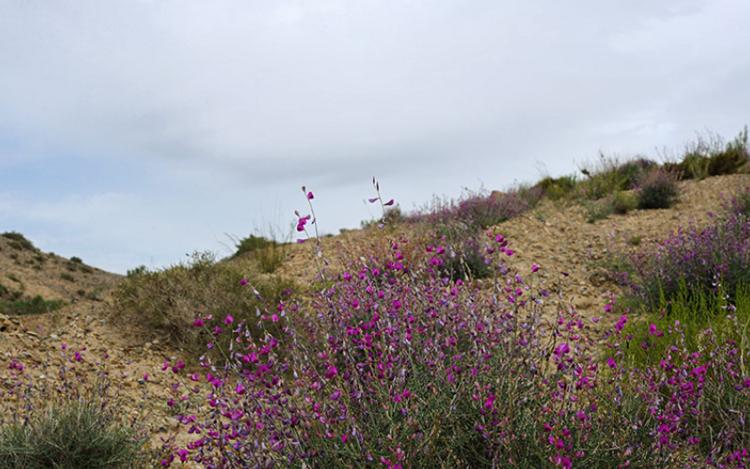
As your journey progresses, you’ll reach the notable lakes in Western China, namely Qinghai Lake, Chaka Salt Lake, and Jinzi Lake. The plants change here once again. Because of the different soil composition, saline and alkali-tolerant species dominate here. Forget about the alpine orchids. Here, you are more likely to find hardy desert flora clinging to the soil. At a glance, these ecosystems look sparse. In truth, they represent resilience at its finest.
When you travel through Western China, you can experience a natural tapestry woven from valleys, meadows, wetlands, and deserts. Each elevation brings its own story. For those who want to truly understand these ecological transitions, traveling with professional wildflower guides in China can make all the difference. Their knowledge adds depth to every step, helping you see the science behind each bloom.