
Myofascial Release for Trauma comes up when people notice pain that never really leaves. Fascia holds tension quietly. Stress, injuries, and emotional strain sit there longer than expected. This therapy works on those layers slowly. Pressure stays steady, and nothing feels rushed. The body responds when it feels safe enough to do so.
What this massage style actually focuses on
Trauma Therapy Massage looks at how the nervous system reacts, not just sore muscles. Therapists follow tissue resistance instead of forcing movement. Sessions move at a calm pace. Breathing changes matter. Small shifts get attention. Myofascial Release for Trauma allows the body to guide the work instead of the clock.
People expect pain, but that is not the point
Some think Myofascial Release for Trauma means deep pressure everywhere. That usually is not the case. Pressure is slow and intentional. Discomfort can happen, but it stays manageable. Trauma Therapy Massage avoids sudden moves. The goal is awareness, not pushing limits or chasing intense sensations.
Sessions feel quiet and strangely simple
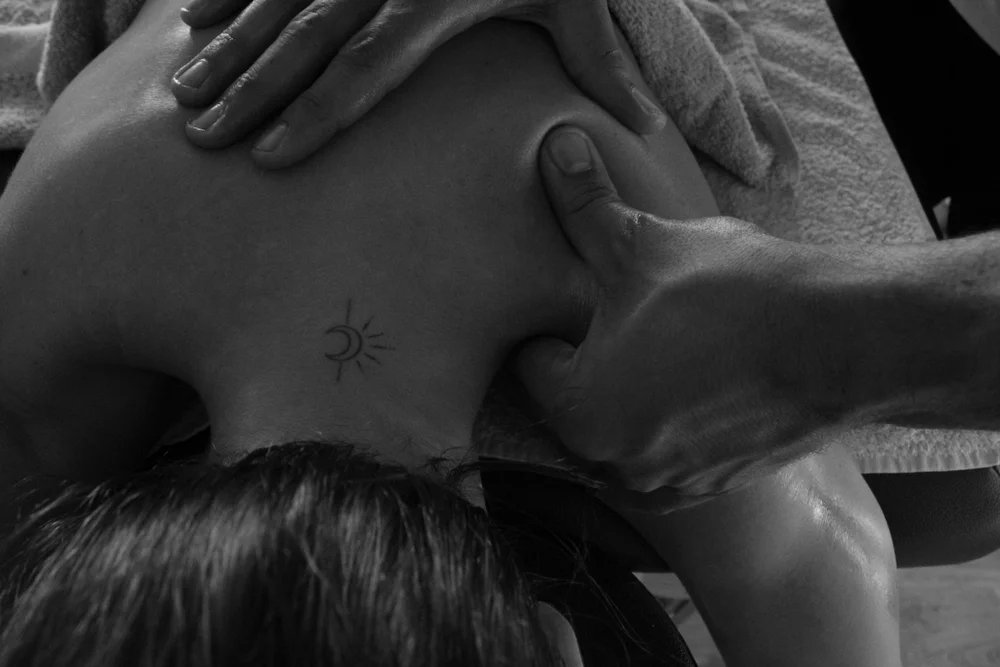
During Trauma Therapy Massage, silence is normal. Talking is optional. The body does most of the communication. Hands wait. Tissue softens over time. Myofascial Release for Trauma often involves holding one area for several minutes. That stillness helps the nervous system slow down naturally.
Clothing and setup feel less clinical
Most Myofascial Release for Trauma sessions happen fully clothed. Loose clothing works best. Tables or floor mats are both used. Trauma Therapy Massage adapts to what feels grounding for the client. Nothing feels rushed or overly structured. Comfort becomes part of the therapeutic process.
Emotional responses sometimes surprise people
With Trauma Therapy Massage, emotions can surface without warning. Sighs, tears, or sudden calm are common. These reactions are physical responses. Myofascial Release for Trauma does not analyze feelings. It allows space for them to pass through safely and without pressure.

Aftercare matters more than people expect
After Myofascial Release for Trauma, the body often feels tired. Hydration helps. Rest matters. Trauma Therapy Massage can shift posture and breathing subtly. Taking the day slow supports those changes. Many therapists suggest avoiding heavy workouts right after sessions.
Progress looks different for everyone involved
Some people notice changes quickly. Others need time. Trauma Therapy Massage works in layers. Myofascial Release for Trauma respects that pace. Frequency depends on how the body responds. Listening to physical signals becomes part of ongoing care.
Conclusion
The Myofascial Release, when it comes to trauma, will initially feel like a foreign concept, particularly to people who are accustomed to more conventional massage techniques. Wakingspace.org provides an understanding of the gentler body-centered treatment available and following individual comfort levels. Trauma Therapy Massage helps in awareness, regulation and physical comfort in the long run. Should this strategy seem consistent with your requirements, then book a professional consultation and take the next step to informed body care.
Blog Source Url :- https://wakingspace5.wordpress.com/2026/03/05/myofascial-release-for-trauma-is-explained-in-a-simple-way/