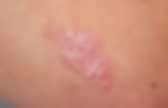
These plaques can appear on various parts of the body, including the scalp, elbows, knees, lower back, and nails.
Psoriasis is a non-contagious condition that can vary in severity from mild, with small localized patches, to severe, with widespread involvement of the skin. The exact cause of psoriasis is not fully understood, but it is believed to involve a combination of genetic and environmental factors. Triggers such as stress, certain medications, infections, injury to the skin, and lifestyle factors can exacerbate or contribute to flare-ups.
In addition to the physical symptoms, psoriasis can have a significant impact on a person's emotional well-being, leading to feelings of self-consciousness, embarrassment, and reduced quality of life. While there is currently no cure for psoriasis, various treatment options are available to manage the symptoms, reduce inflammation, and control flare-ups. It is important for individuals with psoriasis to work closely with healthcare professionals to develop a personalized treatment plan that addresses their specific needs.
For treatment-related queries, Consult Dr. Deepam Shah one of the best Dermatologist in South Mumbai.