

αλλά ο Art είναι και αμερικανός μεγάλη παράδοση της... Gertie il dinosauro Da Wikipedia, l'enciclopedia libera. Gertie il dinosauro (Gertie the Dinosaur) è un cortometraggio animato del 1914 diretto, ideato, prodotto e interpretato da Winsor McCay. Questo storico cortometraggio è stato fonte di ispirazione per tutta una generazione di animatori, in grazia della inedita, per l'epoca, caratterizzazione dei personaggi. Winsor McCay creò Gertie basandosi sulla figura del brontosauro, sulle informazioni scientifiche disponibili all'epoca e sullo scheletro di Apatosaurus dell'American Museum of Natural History.[1] Nel 1991 il film è stato scelto per la conservazione nel National Film Registry della Biblioteca del Congresso degli Stati Uniti.[2] Il prologo, con la scena dei cartoonist, venne girato al Riesenweber's Restaurant di New York.[3] Distribuito dalla Box Office Attractions Company, fu distribuito nelle sale statunitensi il 15 settembre 1914. Wikimedia Commons contiene immagini o altri file su Gertie il dinosauro
Top 100 Photos of the Year 2012 *Please note the photographs themselves were not necessarily taken in 2012, they just happened to be featured as a POTD this year. The pictures are also listed in reverse chronological order. There is no ranking amongst the photos Enjoy! Photograph by Robert Elves on Flickr Photograph by Stephen Wilkes | Prints available Photograph by George Steinmetz Photograph by Andrew Choy Photograph by Jakub Polomski on 500px Photograph via The Natioanl Archives and Records Administration Photograph by Caleb Charland COPYRIGHT© 2012 RMS TITANIC, INC; Produced by Woods Hole Oceanographic Institute Photograph by Jason Pope Photograph by Dan Fisher Photograph by Scott Robertson Photograph by Berenice Abbott Photograph by NASA/GSFC/SDO Photograph by Liammm on Reddit Photograph by haqbar on Reddit Photograph by Marcus Peabody Photograph by The Lost Gardens of Heligan Photograph by sleepychinchilla on Flickr Photograph by Scott Hutcheson (SMHutch Photography on Flickr) Photograph by Mario Neumann (scuba.hamburg on Flickr)
Γιατί σημαντικό ότι δεν αναπαριστάνονται οι Γερμανοί... The 75 Best Pictures of the 2013 Update: if you liked this post, you’ll adore our latest post on the 38 Most Haunting Abandoned Places on Earth HERE. Following on from our very successful blog “100 of the Best Street Art Images of 2013″ (see HERE), we’ve widened the net and thanks to the guys over at Sifter, we bring you the Top 75 Pictures of 2013. All credit goes to the individual photographers and their inspiring visions of our beautiful planet. What’s your favorite? Photograph by strummingmusic on Reddit Photograph by HALEY LUNA Photograph by HANS HANSEN Photograph by Capt. Photograph by Adam Klukowski (ENT108) | klucznik.net Photograph by JENNY DEAN Photograph by LAURA WILLIAMS Photograph by SCOTT MCCRACKEN Photograph by Alexander Van Driessche Photograph by ROLF MAEDER Photograph by RADO GADOCZI Photograph by Peter Rivera Photograph by DEVEN STROSS Photograph by Randy Kokesch Photograph by NothingI5True on Reddit Photograph via Kevin Trotman (The Rocketeer on Flickr) Photograph by SPRENG BEN Photograph via waitomo.com
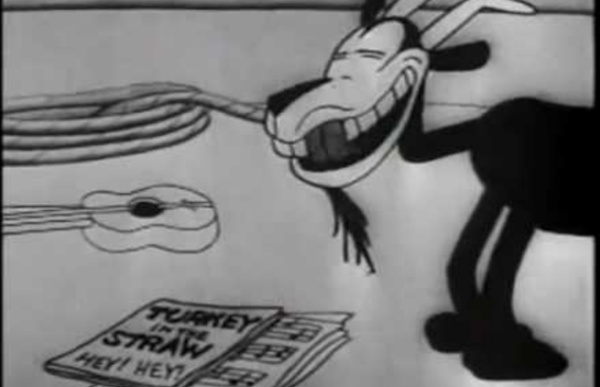
μάσκα ως βασικός μηχανισμός αφήγησης Μνήμη και λήθηΠοιες ιστορίες δεν αφηγούνται?Η απώλεια... Δείχνει ότι η μνήμη δεν αποτελεί διαδικασία "ανάκτησης"... "Twisted" παιδικό παραμύθι Κριτική της συμβατικής συμβατικής ιστοριογραφικής προσέγγισης... υπερ-διαμεσολάβηση της μνήμης του Ολοκαυτώματος από... Έχουμε να κάνουμε με μια ιστορία του ολοκαυτώματος... η αναπαράσταση μειονοτικών πληθυσμών (εβραίων, μαύρων,... Why Mice? | by Art Spiegelman Twenty-five years ago, Art Spiegelman published the first of his Maus books—a pair of graphic novels about the experiences of the author’s father during the Holocaust, with Jews drawn as wide-eyed mice and Nazis as menacing cats. Maus II was awarded the Pulitzer prize in 1991—the only graphic novel ever to win—and both books continue to move and provoke readers. In his new book MetaMaus, Spiegelman talks with Hillary Chute, a professor of English at the University of Chicago, about how the Maus books came into being. What follows is the first of two excerpts from their conversation. —The Editors Hillary Chute: So…how did you come across the idea of drawing mice, anyway? Art Spiegelman: Ah, mice… Actually, it all started with me trying to draw black folks. …it all led me to my Eureka moment: the notion that I could do a strip about the black experience in America, using an animated cartoon style. You’ve said that Hitler was your collaborator on Maus.