
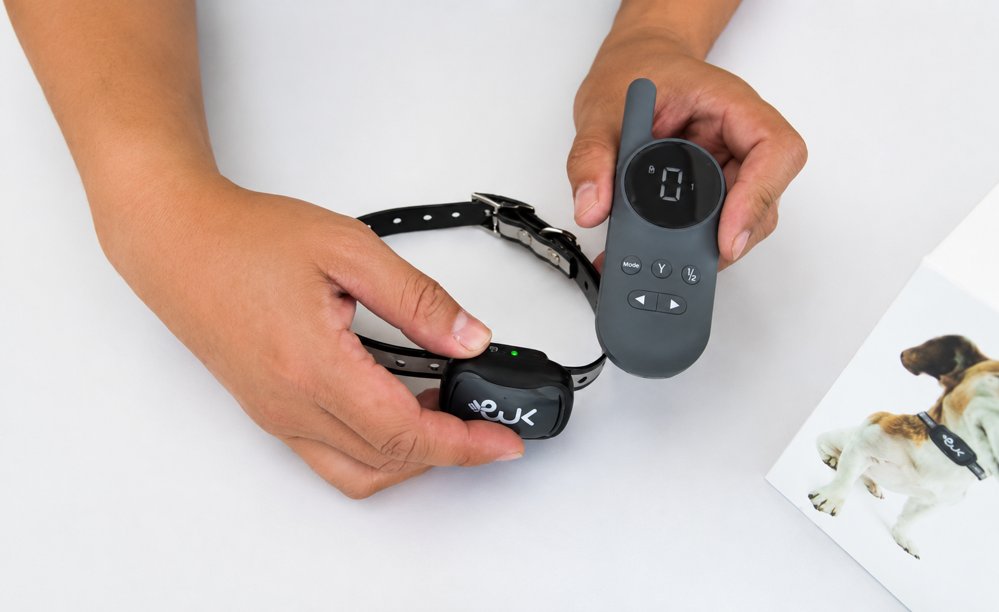
Living with a toy breed means navigating a world built for much larger animals. Whether you share your couch with a five-pound Chihuahua, a lively Yorkie, or a miniature Dachshund, tiny dogs carry intense curiosity alongside very fragile bodies. When issues like fence-line barking, bolting toward open doors, or selective hearing develop, many pet parents consider remote training tech to keep their dog safe.
However, using electronic training gear on a miniature dog requires a radically different protocol than training a medium or large dog. At Wiggle Kingdom, our team works exclusively with owners of dogs under 15 pounds. We see firsthand how common misconceptions about gear sizing, collar placement, and stimulation levels can put a tiny companion at risk.
If you are introducing a<!--td {border: 1px solid #cccccc;}br {mso-data-placement:same-cell;}-->Small shock collar to your miniature dog's routine, follow these practical safety guidelines to protect their physical well-being while achieving reliable obedience.
The primary safety concern with any collar on a toy breed is tracheal vulnerability. Breeds under 15 pounds have tiny windpipes supported by delicate, flexible cartilage rings. Unlike larger breeds with dense neck muscle and thick skin, toy dogs possess very little protective padding around their throat.
Placing a bulky, generic electronic collar on a tiny dog creates direct downward drag on the cervical spine. If the dog lunges or moves abruptly, heavy hardware bangs against the trachea, which can trigger coughing spasms or contribute to progressive tracheal collapse.
<!--td {border: 1px solid #cccccc;}br {mso-data-placement:same-cell;}-->Safe training requires hardware specifically engineered for tiny bodies. The receiver must weigh under two ounces, use shallow, skin-friendly contact points, and rely primarily on mild sensory cues—such as audible beeps and gentle micro-vibrations—rather than painful electrical static.
Proper fit ensures the tool communicates clearly without causing pressure sores or discomfort:
When introducing a remote collar, the goal is communication, not intimidation. Start by using the auditory tone and lowest micro-vibration settings:
For owners researching how to select safe, anatomically scaled hardware that avoids neck strain, exploring modern Electric collars for small dogs will help you identify units built strictly for miniature frames.