

A construction company has secured a new project in northern Tasmania, but its excavator is still at another worksite. The equipment needs to arrive before excavation begins, and the project schedule leaves little room for unexpected delays.
Unlike ordinary commercial freight, heavy machinery cannot always be collected, loaded and delivered using standard transport arrangements. Equipment dimensions, loading conditions, route restrictions and site accessibility all influence how the journey must be organised.
For businesses relying on<!--td {border: 1px solid #cccccc;}br {mso-data-placement:same-cell;}-->tasmania logistics, moving machinery requires careful coordination. Professional plant transport planning helps construction companies, agricultural operators and industrial businesses move equipment between locations while managing safety and scheduling requirements.
Before arranging transportation, businesses need accurate information about the machinery being moved.
Two excavators may appear similar but have different operating weights, dimensions and loading requirements. Attachments can also affect the overall transport configuration.
Important details include:
Providing these details early helps freight coordinators assess suitable transport arrangements.
Transporting equipment across Tasmania involves more than choosing the shortest road.
Some routes include narrow roads, bridges, steep gradients or access restrictions that may affect heavy vehicles.
Oversized or overmass equipment can also require specific permits, approved routes or additional safety arrangements under applicable transport regulations.
A suitable route should account for the machinery's dimensions, the vehicle configuration and the conditions at both collection and delivery locations.
For projects in regional Tasmania, businesses should confirm whether access roads can accommodate the planned transport combination.
This is particularly important when equipment must be delivered to construction sites, farms or industrial facilities outside major commercial areas.
Machinery moving between mainland Australia and Tasmania introduces additional considerations.
Equipment may need to travel by road to a Victorian shipping terminal, cross Bass Strait and continue by road to its Tasmanian destination.
This makes coordination between road transportation and shipping schedules particularly important.
For businesses arranging<!--td {border: 1px solid #cccccc;}br {mso-data-placement:same-cell;}-->plant transport, the availability of suitable trailers, vessel capacity and terminal handling requirements can influence the overall delivery plan.
Oversized machinery may also require additional assessment before shipping arrangements can be confirmed.
Allowing sufficient planning time helps businesses avoid committing to unrealistic equipment arrival dates.
Heavy machinery often supports activities that depend on carefully scheduled workers, materials and subcontractors.
If an excavator arrives before a site is ready, the receiving business may face access or unloading difficulties.
If it arrives late, excavation work may be delayed, potentially affecting subsequent construction activities.
Businesses can reduce these risks by coordinating transport with project milestones.
Before confirming a collection date, project managers should verify site readiness, unloading arrangements and the availability of personnel responsible for receiving the equipment.
This approach is especially useful when managing construction equipment relocation Tasmania requirements across multiple worksites.
Machinery movements often involve several parties, including equipment owners, transport coordinators, site supervisors and receiving teams.
Each party needs accurate information about collection requirements and delivery expectations.
Changes to site access, equipment availability or project schedules should be communicated as early as possible.
Businesses should also confirm responsibility for preparing machinery, removing loose attachments and arranging suitable loading or unloading assistance.
Clear responsibilities help prevent avoidable delays when the transport vehicle arrives.
Tas Connect Logistics provides commercial freight services connecting Tasmania with mainland Australia, including plant and equipment transportation.
The company also offers national freight management, palletised freight, bulk transport and storage services.
Its operations in Tasmania and Victoria support businesses coordinating different freight requirements across Bass Strait.
For construction, agricultural and industrial operators, Tas Connect Logistics can assist with transport arrangements based on equipment specifications, collection locations and delivery requirements.
Businesses should provide accurate machinery details when requesting a suitable freight solution.
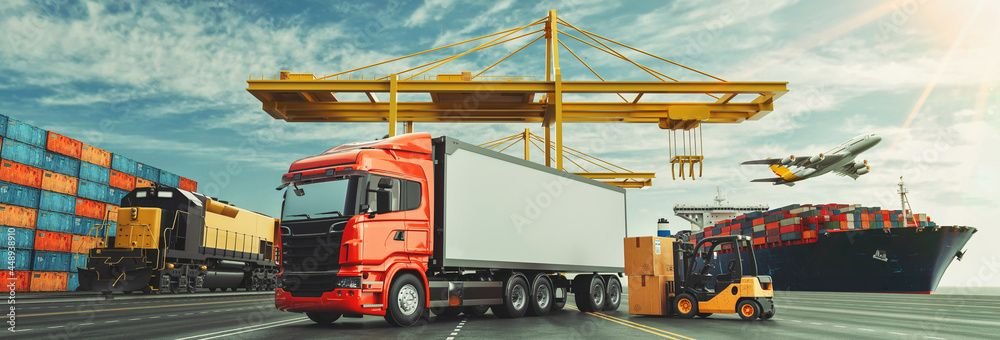
Better Planning Keeps Projects Moving
Moving heavy equipment successfully requires preparation long before the transport vehicle reaches the collection site.
Accurate machinery specifications, suitable vehicle selection, route assessments and coordinated delivery schedules all contribute to a more organised process.
For businesses managing equipment movements across Tasmania or between the island and mainland Australia, integrating machinery transportation into wider logistics planning can help reduce disruptions and support project continuity.