
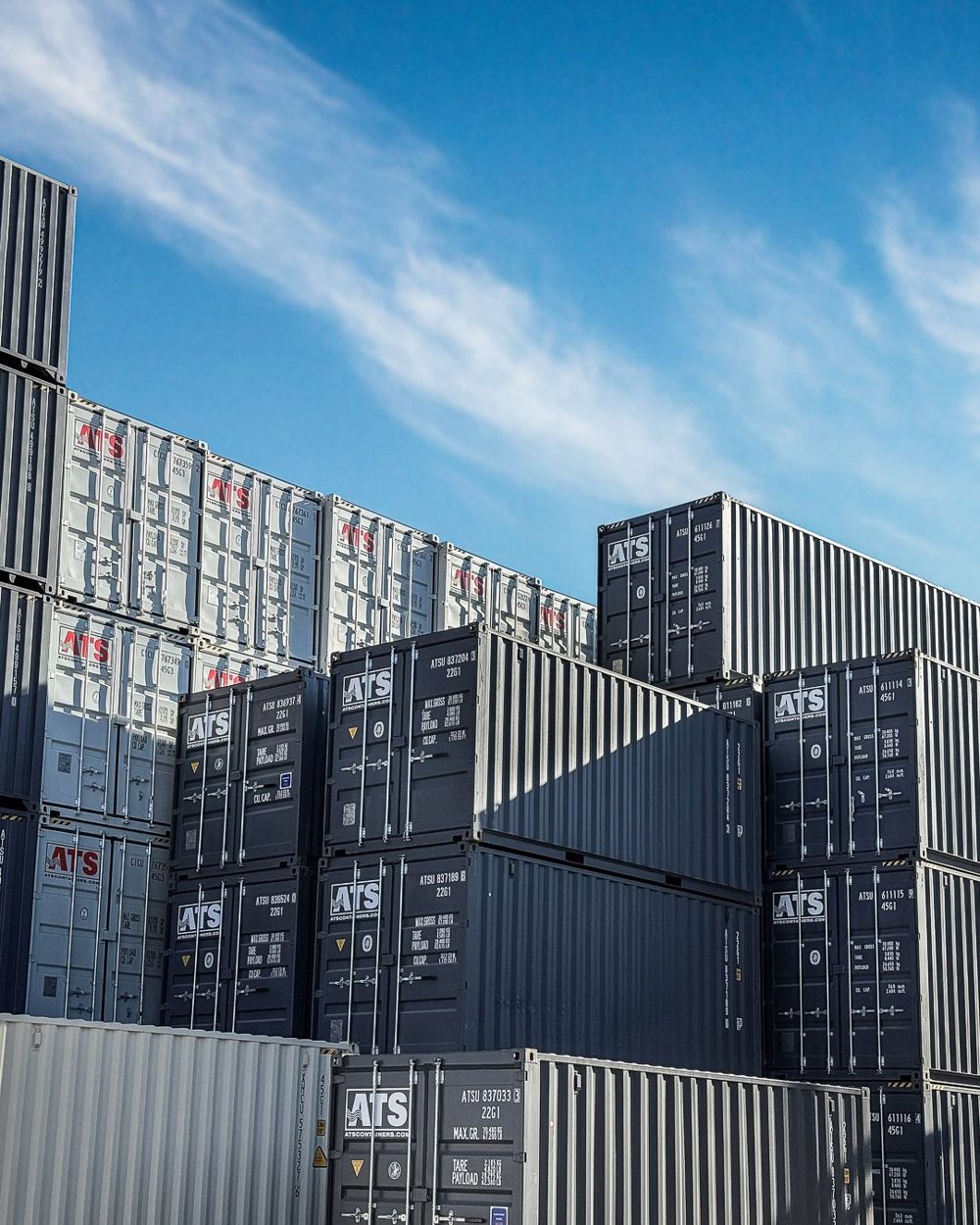
For businesses managing regular freight movements, storage is not simply about keeping products in a warehouse. The right<!--td {border: 1px solid #cccccc;}br {mso-data-placement:same-cell;}-->storage tasmania solution can help create breathing room between receiving goods and delivering them, making it easier to coordinate inventory, transport and customer orders.
When storage is planned as part of the wider supply chain, businesses can respond more efficiently to changing freight volumes without constantly reorganising their operations.
Stock may arrive in large quantities even when customers require smaller deliveries over several days or weeks. Without appropriate storage, businesses may have to coordinate transport around the arrival of every shipment.
Warehousing provides a practical middle point. Goods can be received, recorded and held until they are required. This allows businesses to plan distribution according to demand rather than simply following the timing of incoming freight.
For Tasmanian businesses, that flexibility can be particularly useful when managing freight moving between local facilities, suppliers and mainland destinations.
Reliable business transport is closely connected to effective inventory planning. A truck can move freight efficiently, but the wider process still depends on having goods ready at the right location and at the right time.
When storage and transport are coordinated, freight can be staged before dispatch. Orders can be organised, consignments prepared and deliveries scheduled according to operational priorities.
This reduces the need for businesses to treat every shipment as an isolated movement.
Many Tasmanian businesses rely on dependable connections with Victoria and other mainland markets. Freight requirements can range from standard palletised products to larger, specialised or time-sensitive loads.
A flexible logistics network can accommodate different requirements by combining storage with appropriate transport options. Depending on the shipment, freight may move by road, coastal shipping or a combination of methods.
Storage provides an additional layer of flexibility by allowing goods to be held while onward transportation is arranged.
Businesses should consider more than warehouse capacity when assessing their storage requirements. A useful logistics solution should fit naturally into the way freight enters, moves through and leaves the business.
Important factors can include:
These capabilities can make it easier to maintain visibility while reducing unnecessary movement and handling.
Preparing for Growth Without Added Complexity
As businesses expand, their freight requirements often become more complicated. More customers can mean more destinations, larger shipments and greater pressure on internal teams to coordinate deliveries.
Combining storage Tasmania services with dependable<!--td {border: 1px solid #cccccc;}br {mso-data-placement:same-cell;}-->business transport can create a more scalable logistics structure. Instead of constantly adjusting freight arrangements as demand changes, businesses can use storage and distribution as coordinated parts of their supply chain.
The result is a more flexible approach to moving goods—one that gives businesses greater control over inventory, delivery timing and day-to-day freight planning.