
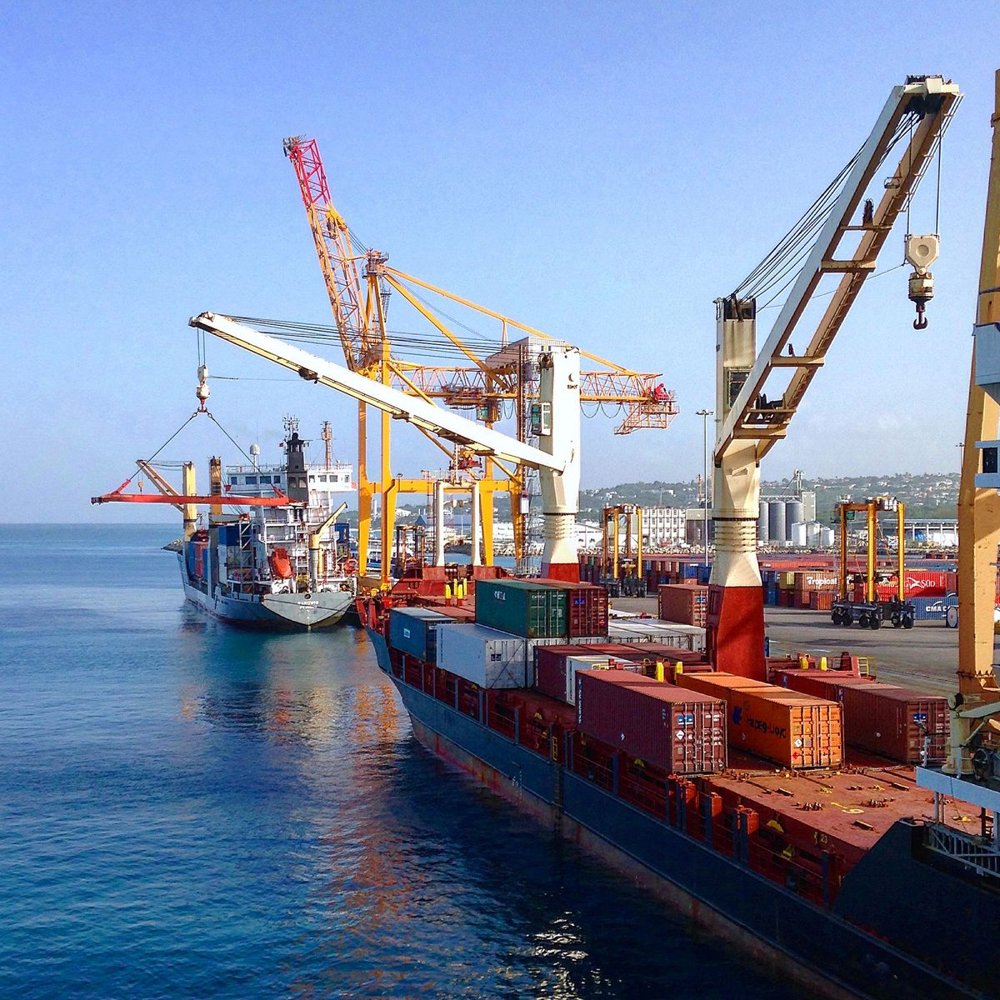
Moving commercial goods between New Zealand's North and South Islands presents unique logistical challenges. Businesses must balance transportation costs, delivery schedules, shipment volumes and the need for consistent stock availability. While road freight remains essential for many deliveries, transporting large quantities over longer distances may benefit from a different approach.
<!--td {border: 1px solid #cccccc;}br {mso-data-placement:same-cell;}-->Coastal Shipping New Zealand offers businesses an alternative for moving suitable freight between regional ports. When combined with the services provided by experienced<!--td {border: 1px solid #cccccc;}br {mso-data-placement:same-cell;}-->Freight Companies Auckland, coastal transport can support more efficient distribution planning without relying entirely on long-distance trucking.
Coastal shipping involves transporting goods by sea between domestic ports. It is commonly used for bulk products, palletised shipments and commercial cargo that does not require immediate delivery.
For businesses distributing products between Auckland, Christchurch and other major centres, coastal shipping can form part of a wider transport strategy.
Unlike direct road freight, coastal transport operates around vessel schedules, port handling requirements and inland delivery arrangements. These factors make advance planning particularly important.
However, for businesses with predictable inventory movements, scheduled shipping services can provide a practical method of managing regular freight volumes.
Transportation expenses can increase significantly when businesses regularly move large shipments across long distances.
Coastal shipping may provide cost advantages for suitable freight, particularly when delivery timelines allow for longer transit periods.
Businesses should consider:
The most economical option depends on the complete journey rather than the shipping rate alone.
A coastal shipment rarely begins or ends directly at a port. Most businesses require goods to be collected from a warehouse, manufacturing facility or distribution centre before being transported to the departure terminal.
After arrival, the freight must be collected and delivered to its final destination.
This makes road transport an essential component of domestic sea freight.
Reliable Freight Companies Auckland businesses work with can help coordinate these movements, ensuring that port collections, vessel bookings and final deliveries are planned together.
When road and sea transport operate as one coordinated process, businesses can reduce unnecessary handling and improve shipment visibility.
Coastal shipping requires a different approach to delivery planning because vessels operate according to scheduled departures and arrivals.
Businesses should review inventory requirements before selecting a sailing.
For example, a manufacturer supplying products from Auckland to a Christchurch distribution facility may benefit from arranging regular shipments around expected stock demand.
Important planning considerations include vessel departure times, port cut-off requirements, available inventory and the time needed for final delivery.
Allowing appropriate flexibility in delivery schedules can help businesses manage unexpected changes without disrupting their wider supply chain.
Reducing unnecessary long-distance road movements is becoming an important consideration for businesses reviewing their transport arrangements.
For suitable shipments, coastal shipping can offer lower emissions per tonne-kilometre than road freight, although actual environmental performance depends on vessel efficiency, cargo utilisation and associated road movements.
Businesses evaluating sustainability should therefore consider the complete transport journey.
Combining sea freight with efficient collection and delivery arrangements can support a more balanced approach to nationwide distribution.
RPC Logistics provides coastal shipping solutions alongside nationwide road transport, managed warehousing and distribution services.
The company coordinates vessel bookings, port operations, collection and final delivery, helping businesses manage different stages of domestic freight movement.
Its coastal shipping services include movements between Auckland and Christchurch, with options involving domestic coastal operators and suitable international vessel services.
By integrating transport and warehousing capabilities, RPC Logistics can support businesses that need coordinated freight movements rather than separate arrangements for every stage.
This approach is particularly relevant to importers, manufacturers and distributors managing regular inventory replenishment across New Zealand.

Making Inter-Island Freight Work for Your Business
Coastal shipping is not necessarily the fastest option for every shipment, but it can provide practical advantages when cargo volumes, delivery schedules and transportation costs are carefully considered.
Businesses should compare available freight methods based on total costs, transit requirements, handling needs and operational flexibility.
For companies moving goods between the North and South Islands, a coordinated transport strategy can improve planning and help maintain consistent product distribution.
Understanding when to use road freight, sea freight or a combination of both allows businesses to develop logistics arrangements that better reflect their actual supply chain requirements.