
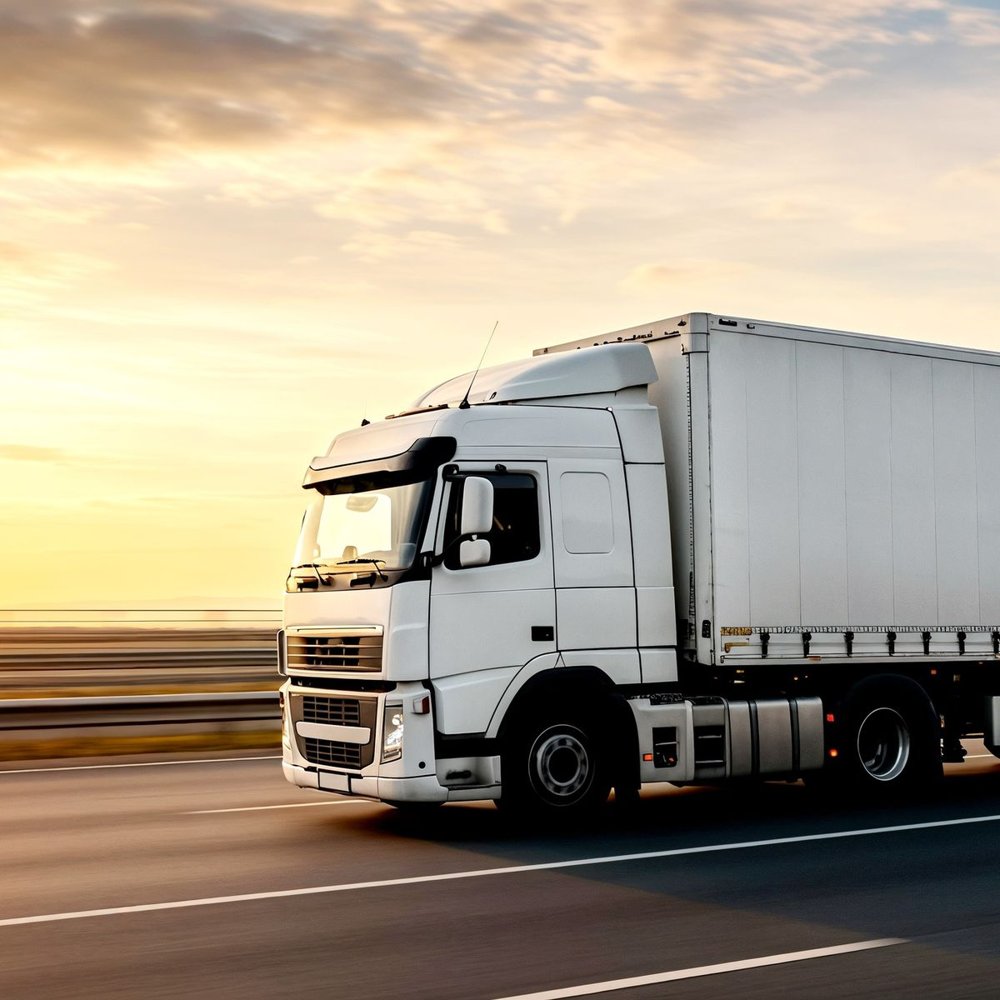
Moving freight around New Zealand is not always about choosing the fastest-looking route. For businesses handling regular volumes, oversized loads or freight that does not require immediate delivery, coastal transport can offer a practical way to connect different parts of the country.
When comparing a<!--td {border: 1px solid #cccccc;}br {mso-data-placement:same-cell;}-->Transport Company NZ businesses can rely on, it is worth considering whether the provider offers more than conventional road freight. Coastal Shipping NZ solutions can become particularly useful when freight needs to travel between the North and South Islands efficiently.
Coastal shipping involves transporting goods by sea between New Zealand ports. Instead of sending every shipment entirely by road, freight can be moved by vessel for part of its journey and then transferred to road transport for final delivery.
This creates a multimodal logistics approach where different transport methods work together rather than competing with one another.
The right transport method depends on the type and volume of goods being moved. Coastal shipping can be useful for businesses that regularly move substantial quantities of freight between islands.
Potential advantages include:
For businesses with predictable freight movements, integrating coastal services into a wider logistics strategy can create additional options.
Sea freight does not operate independently from the rest of the supply chain. Goods still need to be collected, handled, transferred and delivered at the destination.
This makes the choice of Transport Company NZ businesses work with particularly important. A provider with multiple transport capabilities can coordinate different stages instead of leaving the customer to manage separate logistics arrangements.
RPC Logistics provides road freight, coastal shipping and rail transport as part of its wider distribution capabilities. Depending on the shipment, these modes can be combined to create a more suitable freight movement plan.
Coastal shipping is not automatically the best option for every delivery. Smaller urgent consignments or shipments requiring highly direct delivery may be better suited to road freight.
The decision should consider factors such as:
A good logistics provider can help businesses assess these factors before selecting a transport method.
For businesses distributing products nationally, using multiple transport modes can provide greater flexibility. Road transport can handle local collection and delivery, while coastal freight can move larger volumes between islands.
This combination can be especially useful for businesses with warehousing operations that serve customers across New Zealand.
RPC Logistics supports nationwide distribution through an integrated transport network, allowing businesses to consider road, rail and<!--td {border: 1px solid #cccccc;}br {mso-data-placement:same-cell;}-->Coastal Shipping NZ options according to their particular freight requirements.
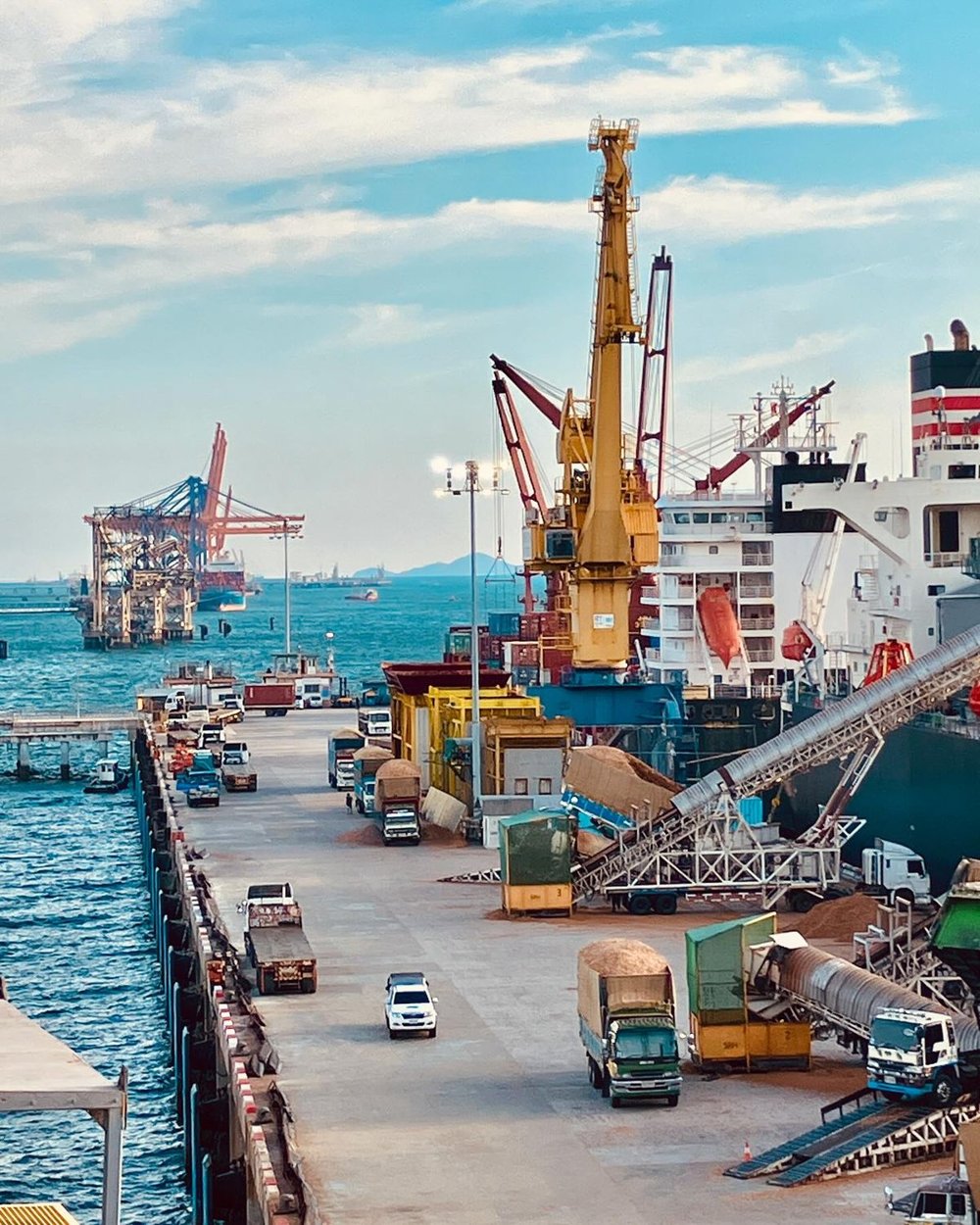
The right logistics provider should understand more than a single delivery. Businesses need transport solutions that can adapt as order volumes, destinations and supply-chain requirements change.
When evaluating a Transport Company NZ businesses can partner with, look at the provider's transport network, warehousing capabilities, experience and ability to coordinate different freight modes.
For businesses moving goods between New Zealand regions, coastal shipping can be a valuable part of a broader distribution strategy. When combined with effective warehousing and road transport, it can help create a more flexible and coordinated supply chain.