
Suggested Preventive Actions for Knee Pains. When a part of our body is not functioning well, we usually feel pain in the affected areas.
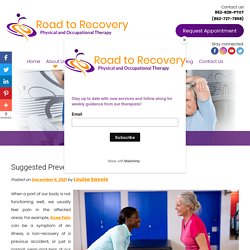
For example, Knee Pain can be a symptom of an illness, a non-recovery of a previous accident, or just a normal wear-and-tear of our bodies. Regardless of these reasons, there are ways we all can try to prevent pain in the knee area. Maintain a healthy weight. Extra pounds can put an additional load on our bones and muscles. Heavier weights put added strain on the joints, which increases the risk of injuries and arthritis. What to Do When You Have a Stiff Neck. You could be at home or you could be driving your car and you could still develop a stiff neck.
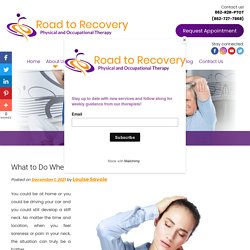
No matter the time and location, when you feel soreness or pain in your neck, the situation can truly be a bother. A Stiff Neck can affect all of us at any point in our lives. Although certain medical conditions or injuries put other people at higher risks, knowing what to do when we cannot move our necks is important to stay safe. Whatever the level of neck pain you have, try to pause or stop what you are doing. Those who would continue their work put themselves and the people around them at risk. Do not force your neck to move in the hopes of snapping from the pain – it does not work this way.
Before going back to what you are doing, slowly check your neck’s status. Why Physical Therapists Use Cupping Therapy. Cupping therapy is one of the oldest and effective methods of releasing toxins from the body.
In Chinese medicine, cupping and other similar therapies follow the philosophy that everything can be viewed together—not just as a collection of individual parts. Although it is a traditional Oriental therapy, cupping can also be incorporated into the treatment plan for physical therapy in Brooklyn, New York. Physical therapists often use special cups on the skin to create suction cups and enhance blood flow to affected areas like muscle strain, sprain, and low back pain. The enhanced blood flow under the cups takes out impurities and toxins away to eliminate them from the body. Therapeutic Exercises at Home. What comes to mind when you hear the term “therapeutic exercises”?
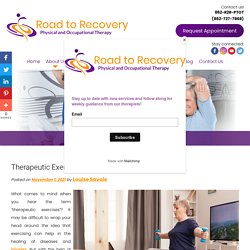
It may be difficult to wrap your head around the idea that exercising can help in the healing of diseases and injuries. But with the help of occupational and physical therapy in Brooklyn, New York, you can be on your way to recovery. Therapeutic exercise often refers to the wide range of physical activities that focus on the restoration and maintenance of one’s strength, endurance, flexibility, and balance.
Its goal is to help injured patients to return to their fully functioning and pain-free health status. Improved Wellness and Fitness. At , we have expert therapists who can provide Therapeutic Exercises for patients in a wide variety of ways to help relieve pain and restore good body functions.
Injury, illness, and postoperative rehabilitation are just a few examples of conditions that can disrupt normal functioning and be helped by physical therapy. While everyone has unique needs, one of the most commonly recommended methods when developing a treatment plan is professional support, which we can provide in our Physical Therapy in Far Rockaway. This is a well-researched and evidence-based method of treatment. Occupational Therapy in New York, specifically therapeutic therapy, incorporates strengthening, stretching, and mobility-enhancing exercise routines tailored to each client’s needs. Myofascial Release: Myofascial Pain Therapy. Myofascial pain syndrome is a chronic pain disorder in which pressure on trigger points causes pain in the muscle and other unrelated parts of the body.
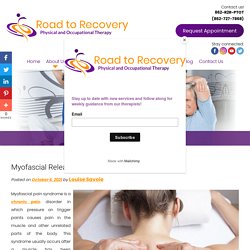
This syndrome usually occurs after a muscle has been contracted repetitively. Taking Control of Your Pain Using the McKenzie Method. The Value of Post-Stroke Rehabilitation and Management. Brain injury caused by a stroke can severely damage a person’s ability to move and communicate.
However, over time, most stroke patients can improve their state of wellness with the right interventions. Stroke rehabilitation and management programs can help. Although these programs cannot cure or reverse brain damage, activities like therapeutic exercise can improve a person’s condition post-stroke. The goals of stroke rehabilitation are to help stroke survivors live independently as possible while adjusting to new limitations. Rehabilitation usually starts in the hospital and may continue for months or years after leaving. Our occupational therapy in New York can help stroke survivors relearn the skills they need to care for themselves after a stroke and those that help them perform daily living activities. rehabilitation nurses can help them manage their personal care, such as bathing and washing.
How to Address Balance Problems. Balance problems happen for a lot of reasons.
The most common one is an issue in our vestibular system, the part in our inner ear that is responsible for our balance. Another reason could be diseases in our circulatory system, such as stroke. The effects of stroke such as paralysis of some parts of the body and dizziness cause balance problems. Physical Therapy to Relieve Arthritis Joint Pain. It is common for some older adults to have limited mobility and flexibility.
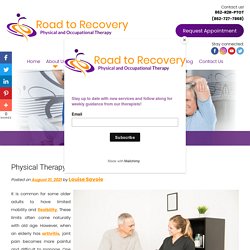
These limits often come naturally with old age. However, when an elderly has arthritis, joint pain becomes more painful and difficult to manage. One way to address joint pain is physical therapy. With that, our physical therapy in Brooklyn, New York, aims to help the patient move safely and effectively. Improving Your Range of Motion Through Stretches. Stretching exercises are important in rehabilitation programs and are practiced by athletes for a reason.
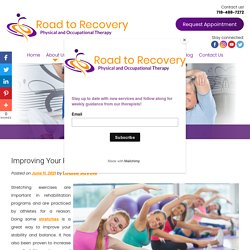
Doing some stretches is a great way to improve your stability and balance. It has also been proven to increase your flexibility and range of motion. We often include stretches in our physical therapy in Brooklyn, New York for the following benefits: Common Squats Mistakes. One of the best exercises you could do to burn fat, lose weight, gain strength, or boost power as an athlete is the squat. It is immensely popular but often the first exercise we correct in the clinic. The sad reality is that squats go wrong most of the time. Squats don’t hurt your back; bad form does. Common Symptoms of Sciatica and Its Diagnosis. Do you experience pain from your lower spine to your buttock and the back of your leg? These may be signs of sciatica. This occurs when a herniated disk or bone spur on the spine compresses part of a nerve which results in inflammation, pain, and numbness in the affected leg.
As a provider of physical therapy in Brooklyn, New York, we have rehabilitated clients with this condition. Aside from pain in the lower spine, some of the common symptoms include numbness, tingling, or muscle weakness in the affected leg. While mild sciatica often goes away over time, you should consult your doctor if the pain lasts longer than a week, is severe, or becomes progressively worse. Common Sports Injuries That Need Physical Therapy. Injuries are inevitable when participating in competitions, organized sports, fitness activities, or training exercises. This is made particularly more common by poor training methods, lack of conditioning, and inadequate warm-up. Sports rehab helps people regain their strength and mobility after an injury. As a provider of physical therapy in Far Rockaway, we have treated several patients with sports injuries.
Some of the common ones include: Ankle injuries It is common for athletes to roll their ankles while running.Pulled muscles Muscles can stretch or tear when overused despite being worn out and tired.Shin splints The connective tissue around your shin can get inflamed after long hours of running.Knee injuries The ligaments in the knees can be strained due to a sharp twist or bending the knees in the wrong way.Hip flexor strain Your hip flexors may become weak if you sit a great deal at work or have a bad sitting posture. Stiff Neck: What Causes It and How Is It Treated? A stiff neck is characterized by soreness and difficulty in moving the neck.
This may be accompanied by a headache, as well as pain in the shoulder, and/or arm. It usually appears upon waking up in the morning or can develop later in the day due to strenuous activity. As a provider of physical therapy in Brooklyn, New York, we have treated various causes of a stiff neck. It is usually caused by the following: Having the neck at an awkward position in your sleepSudden impact that pushes the head or fallingHaving poor posture and slouching especially while in front of a computer monitor or looking at a phone for long periods of timeStress or anxietyEngaging in activity that turns the head side to side repeatedly such as swimming.
The Differences in Physical and Occupational Therapy. Ways to Maintain A Healthy Lifestyle. Nowadays, individuals may find it hard to achieve and keep a healthy lifestyle because of their hectic daily routine. But we all know that it is the only way to succeed in life. Defeating your Pectoral Pain and Getting Back to your Workout. No matter what type of workout you enjoy, you’re probably around someone experiencing pectoral pain. Perhaps that person is you. Mistakes When Finding a Reliable Therapy Provider. Are You Partnering With a Reliable Therapist? Unable to accomplish daily activities due to illness, injury, or disability can happen to anyone at any time, which can then take a toll on someone mentally and emotionally. However, why wait any further when you can seek help from a reliable therapist today? 3 Stretches for Combating The Stiffness That Comes From Working At Home.
If you have been working from home since March 2020, you are far from alone. How Light Exercises Can Benefit Your Health. It’s undeniable that physical activity is good for your overall health. However, you don’t have to go extreme just to stay in shape or maintain a healthy lifestyle – even doing some light exercises, like stretching, walking, or jogging, can already make a big impact on your health. How Physical Therapy Helps in The Battle Against COVID-19. When we think of the battle against COVID-19, we think of our doctors, nurses, and surgeons. All selfless souls who have chosen to help others during this difficult time. What isn’t talked about as much is the round of after-effects that come with battling the virus. They are different for everyone. Some recover just fine, some suffer from brain aneurysms or multiple strokes, some suffer from heart complications such as pericarditis, and some suffer nerve loss sensations such as foot drop and some loose motor function in certain limbs.
While these side effects do not appear in the daily news, they are very real, and physical therapists play a vital role in unlocking certain aspects of the virus. Common Types of Orthopedic Injuries. Orthopedic injuries occur when one overuses the tendons or the muscles in the body or when an injury occurs. Muscle Strain 101: What You Should Know About It. Often, the muscles or tendons encounter an injury called a muscle strain. It may be that you’ve overstretched, causing the muscle or tendon to have a tear. Tips to Relieve Arthritis Pain Naturally. Simple Remedies for Common Neck Pain. 5 Common Exercises to Relieve your Back Pain.