
In the world of industrial production, logistics, and material handling, efficiency isn’t just a nice-to-have—it’s the backbone of profitability. As industries become increasingly automated and technology-driven, the demand for systems that support fast, seamless, and reliable operations is higher than ever. Among these systems, Conveyor Belt Suppliers often play a silent yet indispensable role. They are the unsung heroes that keep production lines moving, packages flowing, and factories functioning at top speed.
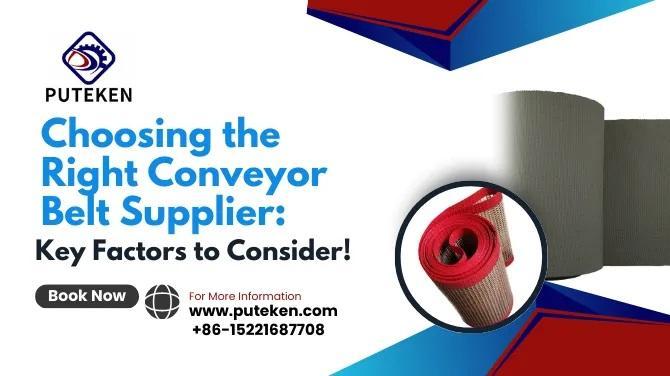
But here’s something many businesses overlook: the performance of your conveyor system is only as good as the supplier behind it.
A high-quality conveyor belt isn’t simply a component—it’s a strategic asset. It impacts everything from energy efficiency and operational uptime to worker safety and long-term maintenance costs. Whether you're managing a fast-paced e-commerce warehouse or overseeing a large-scale mining operation, the right conveyor belt can mean the difference between costly downtime and flawless productivity.
Yet, while many companies invest heavily in automation software or robotics, they sometimes neglect the importance of sourcing the right hardware—specifically, the conveyor belts and the partners who supply them.
What Is a Conveyor Belt?
At first glance, a conveyor belt might seem like a simple tool—a moving platform that transports goods from one point to another. But in reality, it's the lifeline of many industries. From production plants to packaging units and even airports, conveyor belts keep things moving—literally.
Types of Conveyor Belts and Their Applications
Each type has a unique role, and their effectiveness depends largely on the quality provided by Conveyor Belt Suppliers.
The Role of a Supplier in Modern Industries
Conveyor belt suppliers are more than just product distributors. They are partners who provide:
How Suppliers Impact Efficiency?
When your supplier knows your industry, understands your challenges, and tailors their service to your needs, you get a belt that works right from day one. That’s where companies like Shanghai Puteken Transmission System Co., Ltd. shine.
Key Traits of a Reliable Conveyor Belt Supplier
Common Pitfalls of Choosing the Wrong Supplier
Industries That Rely on Conveyor Belt Suppliers
Shanghai Puteken Transmission System Co., Ltd.: A Case in Excellence
Shanghai Puteken is not just a supplier; they are industry enablers. With years of experience and a reputation for innovation, they serve a broad range of sectors with high-quality transmission solutions.
What Sets Them Apart?
Product Portfolio Overview
From timing belts to heavy-duty conveyor belts, Puteken’s offerings cover the spectrum of industry needs. Their product catalog includes:
Innovations in Conveyor Belt Technology in 2025
Pros and Cons
Which One Suits You?
Depends on your process complexity, budget, and urgency.
Cost vs. Value: Understanding the Investment
Checklist for Buyers
Do they offer site visits and assessments?
Questions to Ask
What’s your material warranty?
Real-Life Examples of Supplier-Driven Operational Success
Their Support Model
From consultation to after-sales service, they guide you through every phase.
Client Testimonials
“Switching to Puteken transformed our entire production workflow!” – A satisfied manufacturer in Southeast Asia.
When operations run smoothly, nobody questions the conveyor belts. But when things go wrong, the spotlight turns fast. Behind every flawless process is a reliable conveyor belt supplier—one that understands your industry, adapts to your needs, and supports your goals. Shanghai Puteken Transmission System Co., Ltd. is that supplier.
Their blend of engineering expertise, product variety, customization, and customer service makes them one of the leading Conveyor Belt Suppliers in the market. If you're aiming for operational excellence in 2025 and beyond, it’s time to partner with someone who’s as committed to your success as you are.
1. What industries does Shanghai Puteken serve?
They serve manufacturing, logistics, food processing, mining, packaging, and more.
2. Do they offer customized conveyor belts?
Yes, Puteken offers tailor-made belts to fit specific operational needs.
3. How long do conveyor belts from Puteken typically last?
With proper usage and maintenance, they can last several years, depending on application.
4. Are their products internationally certified?
Absolutely. Their belts meet global safety and quality standards.
5. Do they offer technical support post-purchase?
Yes, Shanghai Puteken offers full lifecycle support, including troubleshooting and maintenance.