
In the world of industrial machinery and equipment, the Power Transmission Belt plays a pivotal role in ensuring smooth and efficient operations. It is the unsung hero behind the scenes, transferring power from one component to another and driving the performance of countless machines across various industries. The effectiveness, durability, and dependability of your equipment can all be greatly impacted by your choice of power transmission belt.
Shanghai Puteken Transmission System Co., Ltd., a leading innovator in transmission solutions, understands the critical role these belts play. Their extensive range of power transmission belts is designed to meet the diverse needs of industries, offering exceptional performance and durability.
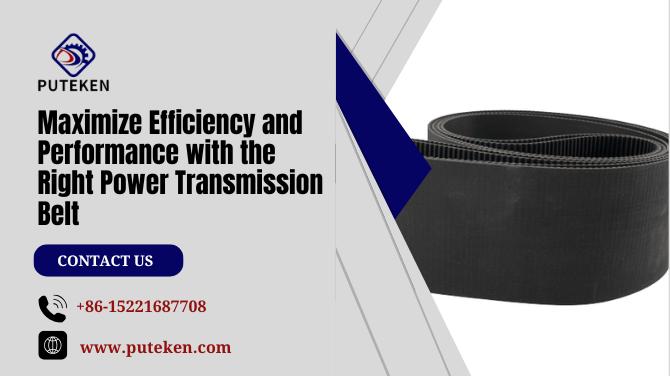
A Power Transmission Belt is a mechanical component used to transfer rotational power between two or more pulleys, enabling the transfer of energy from a power source to a driven device or machine. These belts are essential in ensuring smooth, reliable, and efficient functioning across various industrial applications. The key function of a power transmission belt is to link multiple moving parts, allowing them to work in unison and perform specific tasks such as turning gears, conveyors, or machinery.
These belts come in various shapes, sizes, and materials, and their design is tailored to the specific needs of the system they are part of. A wide range of industries, including manufacturing, agriculture, and the automotive sector, use power transmission belts.
Different types of power transmission belts are designed to meet the needs of specific applications. Understanding the differences between these belt types will help you choose the most suitable option for your system.
For best performance, reducing downtime, and ensuring the longevity of your machinery, you must choose the right power transmission belt for your equipment. Here are several reasons why choosing the right power transmission belt is essential:
1. Improved Efficiency
The right belt ensures that power is transmitted efficiently between components. This helps to reduce energy consumption and improve the overall performance of your machinery. An inefficient belt, on the other hand, can lead to power loss, increased wear, and ultimately a decrease in machine performance.
2. Reduced Downtime and Maintenance Costs
Incorrectly chosen or poorly maintained belts can lead to frequent breakdowns and costly repairs. When a belt fails, it often causes significant disruption to production, leading to expensive downtime. The right belt, however, minimizes these risks and ensures that your equipment operates smoothly, cutting down on maintenance costs and downtime.
3. Increased Durability and Longevity
The durability of a power transmission belt is directly related to the materials used in its construction and its compatibility with the machinery. A belt that is chosen based on the specific needs of the application will have a longer lifespan and reduce the frequency of replacements.
4. Noise Reduction
Some belts, especially flat and timing belts, are designed to operate with minimal noise. This is important for industries that require a quieter work environment or for applications where noise reduction is a key concern. The right belt will reduce vibrations and operating noise, leading to a more comfortable and productive working environment.
5. Enhanced Safety
A well-chosen power transmission belt is designed to handle the stress and demands of the system without slipping or breaking. This increases the overall safety of the equipment, preventing accidents that could result from malfunctioning belts.
When selecting the ideal power transmission belt for your system, there are several key factors to keep in mind. These include:
1. Load and Torque Requirements
For your specific application, the power transmission belt must be able to support the necessary load and torque. Be sure to assess the expected load capacity of the system and choose a belt that can withstand these demands. For high-torque applications, V-belts and toothed belts are typically the best options, while lighter-duty tasks may be suited to flat belts or timing belts.
2. Environmental Conditions
Consider the environment in which the power transmission belt will be used. Factors such as temperature fluctuations, humidity, exposure to chemicals, or extreme weather conditions can affect the belt's performance. For instance, polyurethane belts are a great choice for harsh environments because they resist chemicals and wear.
3. Speed and Efficiency
If the equipment operates at high speeds, it is essential to choose a belt that can efficiently handle such conditions. Toothed belts and cogged belts are often preferred for high-speed applications, as they offer precise grip and synchronization without slippage.
4. Belt Length and Width
The belt size is crucial for ensuring a proper fit and optimal performance. It is important to accurately measure the length and width of the belt needed for the application, as well as to ensure that the belt matches the dimensions of the pulleys it will be connected to.
5. Material Composition
The material of the power transmission belt affects its durability, flexibility, and overall performance. Belts made from rubber, polyurethane, or other synthetic materials are often used depending on the specific application. Each material offers different benefits in terms of resistance to wear, elasticity, and performance under various conditions.
The Function of Shanghai Puteken Transmission System Co., Ltd. in Power Transmission
Shanghai Puteken Transmission System Co., Ltd. is dedicated to providing high-quality power transmission solutions for a wide range of industries. With a focus on innovation, durability, and performance, the company offers an extensive selection of power transmission belts that cater to the diverse needs of its customers.
For your gear to operate at its best and last a long time, selecting the correct power transmission belt is essential. By selecting a belt that matches the specific needs of your application, you can maximize efficiency, reduce downtime, and extend the life of your equipment.
Shanghai Puteken Transmission System Co., Ltd. is committed to providing high-quality, reliable power transmission belts tailored to your industry’s needs. With a focus on innovation and customer satisfaction, Shanghai Puteken is the ideal partner to help you boost your operational efficiency and achieve peak performance.
The main function of a power transmission belt is to transfer rotational power from one component to another in machinery, enabling various parts to work together.
Factors such as load and torque requirements, environmental conditions, belt size, and material composition should be considered when choosing the right power transmission belt.
Benefits include increased efficiency, reduced downtime, cost savings, enhanced safety, and better overall performance of the equipment.
Shanghai Puteken offers high-quality, durable, and customized power transmission belts tailored to meet the specific needs of various industries.
Yes, power transmission belts such as toothed belts and cogged belts are designed for high-speed applications and offer precise grip and synchronization.