
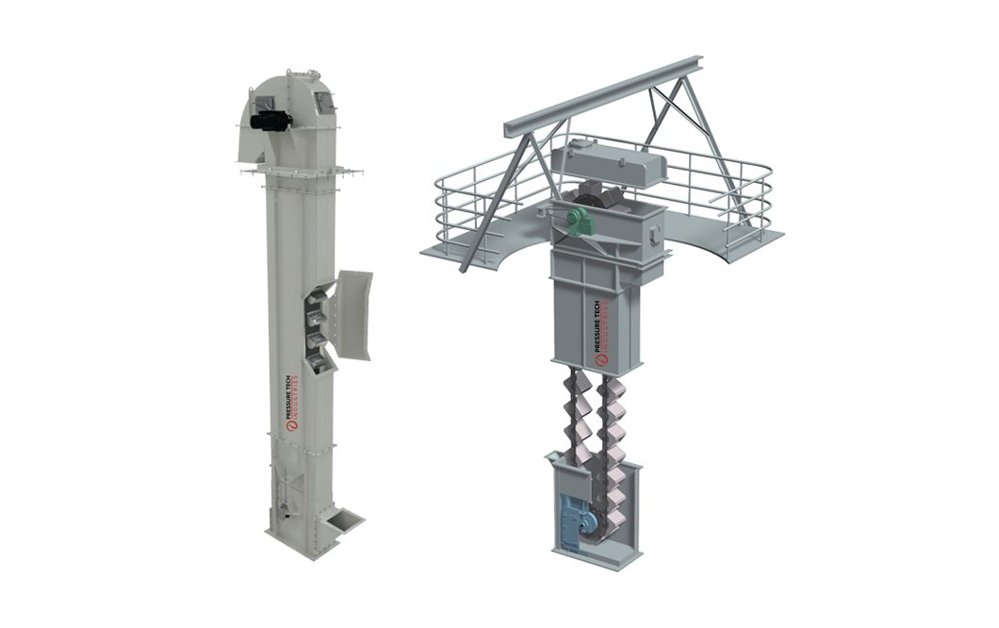
Material movement looks simple from a distance, but anyone close to production knows how quickly delays can build when lifting is slow, messy, or inconsistent. Fine powder, grain, pellets, and similar loads need a steady path upward without wasting floor area or interrupting surrounding work. A well-planned bucket elevator conveyor starts making practical sense. Instead of relying on repeated manual transfer or awkward lifting points, it creates a cleaner vertical route that supports rhythm across storage, batching, and processing zones. In many facilities, that small design decision quietly improves output, reduces handling pressure, and makes daily operations feel far more controlled.In this article, we discuss how this system supports smoother bulk material handling in practical industrial settings.
Vertical lifting saves more room than people expect
Floor space disappears fast in active plants. A few extra machines, access lanes, stacked pallets, and maintenance clearances can leave very little room for comfortable movement. Fitting material upward rather than stretching transport across the ground often solves more than one issue at once. A tall setup can feed hoppers, mixers, silos, or packing lines while preserving open pathways below. What matters in workshops where every meter affects workflow? We have noticed that managers usually appreciate this benefit after installation, not before. It is not only about carrying the product upward. It is also about creating a tidier layout that supports safer movement and less congestion.
Steady feeding improves the daily production rhythm
Efficiency is rarely about speed alone. Line works better when supply arrives at a predictable pace and equipment downstream does not have to wait, surge, or compensate. A properly matched bucket conveyor system helps maintain that steadiness by moving bulk loads in measured volumes from one point to another. This becomes useful in operations that depend on timing, such as filling, blending, or staged transfer into processing units. One uneven feed point can disturb the entire sequence. When flow becomes more consistent, operators spend less time correcting interruptions. The day tends to feel smoother, and output usually reflects that quiet improvement without needing dramatic changes elsewhere.
Material protection matters as much as movement
Many bulk goods can be damaged surprisingly easily. Rungs may break, powder may spill, and lightweight material can scatter when transfer points are too abrupt. That is why the way a lifting setup handles product deserves close attention. The common question, How does a bucket elevator work?, is really about controlled pickup, upward carrying, and discharge at the right point with minimal disruption. Buckets collect load from the lower section, travel along a vertical path, then release contents near the outlet. When this action is designed well, losses stay lower, and housekeeping becomes easier. Lean transfer is not a luxury. It directly supports reliability.
Build quality shapes long-term operating confidence
A lifting arrangement may appear straightforward, though long-term performance depends on details many buyers overlook at first. Housing strength, component alignment, wear resistance, service access, and drive stability all influence how dependable the installation will feel after months of use. This is why buyers often compare support capability, fabrication quality, and customisation options before deciding among bucket elevator conveyor manufacturers. A poor fit can create noise, premature wear, and frustrating stoppages. A stronger fit usually feels calmer in real use. That difference becomes obvious during demanding schedules, especially where dust, continuous cycles, or variable loading places extra pressure on machinery and maintenance teams.
Good design reduces manual strain in the process
One overlooked advantage of smart vertical transfer is the effect it has on people working nearby. Repeated lifting, repositioning, and loading between levels can quietly drain time and energy across a shift. Even when tasks seem manageable, constant small movements add fatigue and increase the chance of mistakes. A better-arranged material path can remove many of those routine burdens. Workers spend more attention on monitoring quality, checking output, or handling exceptions rather than repeatedly moving product by hand. That kind of improvement does not always look dramatic on paper, but it changes how a production area feels. Sometimes smoother work is the clearest sign of good engineering.
Conclusion
Better vertical transfer improves more than movement between two points. It supports cleaner layouts, steadier feeding, gentler handling, and less manual effort across the wider process. When lifting is planned properly, production areas feel more organised and less reactive. That is often where real efficiency starts, not in dramatic upgrades, but in practical systems that remove daily friction from routine bulk handling tasks.
For businesses that value tailored solutions rather than one-size-fits-all machinery, Pressure Tech Industries stands out through its custom manufacturing focus and practical understanding of industrial movement needs. Their approach suits facilities that want dependable handling equipment built around actual site conditions, timelines, and production goals rather than generic assumptions copied from somewhere else.
Frequently Asked Questions
Question: What kind of materials is usually lifted in vertical handling setups?
Answer: These arrangements are commonly used for powders, grains, pellets, seeds, minerals, and other free-flowing loads. Suitability depends on particle size, moisture level, abrasiveness, and required throughput. A proper review of product behaviour helps determine the right configuration, discharge style, and internal build for stable day-to-day performance.
Question: When should a factory choose upward transfer instead of horizontal movement?
Answer: It usually makes sense when the process needs feeding into hoppers, silos, mixers, or elevated equipment while saving floor space. It also helps where manual handling between levels creates delays. The best choice depends on layout, output targets, access needs, and the nature of the material being moved.
Question: What should buyers check before approving a new lifting solution?
Answer: Look at capacity, service access, structural strength, wear protection, installation support, and how well the design matches the product being handled. It is also wise to review maintenance needs, spare part availability, and whether the supplier understands local operating conditions instead of offering a generic standard arrangement.