
Over the last few years, the conversation around fitness and athletic performance has fundamentally shifted. Gym-goers, weekend runners, and dedicated athletes are no longer solely focused on how much weight they can lift; they are paying forensic attention to how efficiently they can recover.
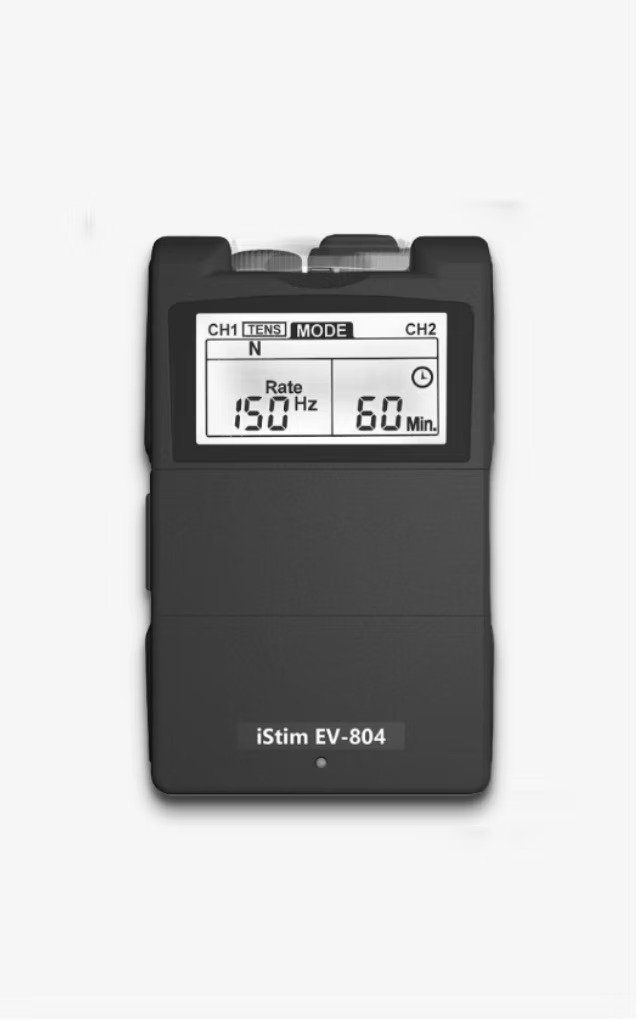
At the Homemedics Store, we regularly consult with active individuals who are hitting a plateau simply because their bodies cannot recover fast enough to sustain their training volume. While stretching, foam rolling, and hydration are foundational, we frequently introduce our clients to the clinical power of an<!--td {border: 1px solid #cccccc;}br {mso-data-placement:same-cell;}-->EMS Machine. If you are tired of waking up with stiff, heavy legs after a brutal workout, it is time to understand how professional-grade electrical stimulation can optimize your physical downtime.
To understand the benefits, you have to look at the biology of muscle movement. When you perform a squat, your brain sends a voluntary electrical signal down your spinal cord to contract your leg muscles.
An EMS device essentially bypasses the brain. By placing conductive pads directly over the target muscle group, the machine sends a highly controlled, localized electrical impulse directly into the motor nerves. This forces the muscle belly to contract and release involuntarily. The true value here is not the contraction itself, but the rhythmic pumping action it creates deep inside the tissue. This pump drives massive amounts of fresh, oxygen-rich blood into the area while simultaneously flushing out metabolic waste.
This is the most common area of confusion for new users. Many people assume all electrical therapy devices do the same thing.
If you are dealing with a pinched nerve, a sore lower back, or joint arthritis, you would use a TENS Unit. That specific technology targets sensory nerves to block pain signals from reaching the brain. Conversely, EMS specifically targets motor nerves to physically move the muscle. While TENS manages your perception of pain, EMS actively facilitates physical tissue recovery.
We need to aggressively debunk a myth born from decades of late-night infomercials: an EMS device will not magically burn belly fat or give you a six-pack while you watch television.
To build dense, functional muscle mass (hypertrophy), your body requires structural mechanical tension—which means lifting actual weights against gravity.<!--td {border: 1px solid #cccccc;}br {mso-data-placement:same-cell;}-->Electrical stimulation creates zero mechanical tension and zero caloric deficit. Instead, you should view this hardware strictly as a recovery and optimization tool. It prepares the muscle for the gym and repairs the muscle after the gym, but it does not replace the gym.
To get the most out of your investment, you need to use the device deliberately. Here is how our professional clients structure their electrotherapy:
When shopping for recovery hardware, engineering matters more than a flashy digital screen. Cheap, imported devices often deliver a harsh, stinging electrical wave that shocks the tissue, forcing the muscle to tense up defensively.
At the Homemedics Store, we supply TGA-compliant hardware engineered with a smooth, clinically calibrated current. This ensures your recovery sessions mimic the deep, soothing rhythm of a professional sports massage rather than an erratic electric shock. By integrating legitimate clinical hardware into your routine, you take complete control of your recovery timeline and keep your body performing at its absolute peak.