
For most people, taking time off work isn't really an option.
Whether you work in construction, healthcare, warehousing, hospitality, or an office, being injured often brings another concern alongside the pain: "When can I safely get back to work?"
The answer isn't always as simple as waiting until the pain settles. Feeling better doesn't necessarily mean your body is ready to handle lifting, standing, climbing, sitting for long hours, or repeating the same movements every day.
That's where workplace injury management in Springwood plays an important role. The focus isn't just on easing symptoms. It's about helping you recover properly so you can return to work with confidence and reduce the risk of the injury happening again.
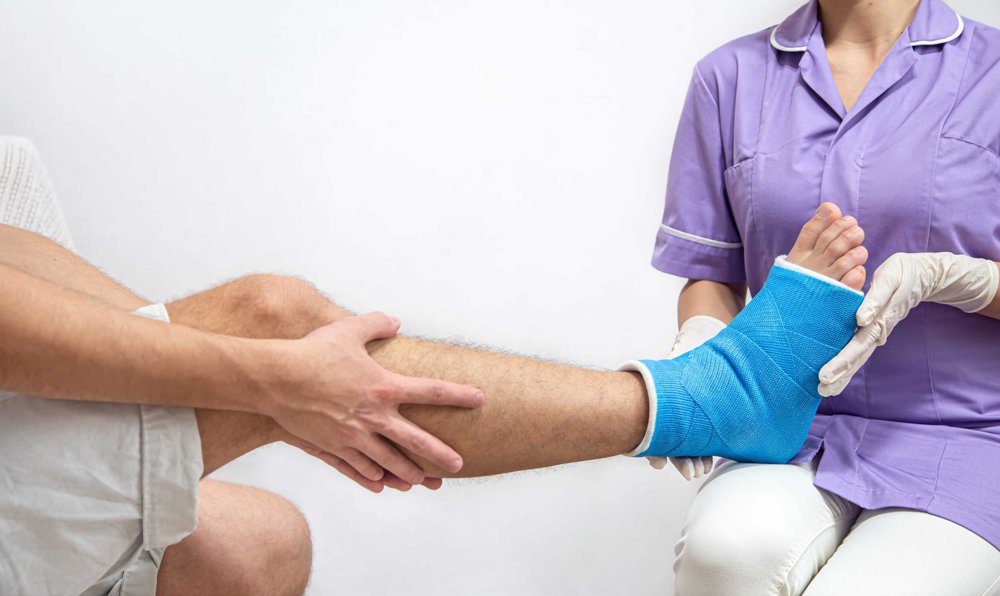
Workplace injury management in Springwood is a rehabilitation approach designed to help people recover after an injury sustained at work or one that has been aggravated by work duties.
Rather than treating pain alone, the goal is to restore your ability to perform the physical tasks your job demands.
Treatment plans are tailored to your role, whether it involves:
A physiotherapist in Springwood will assess how your injury affects your everyday work and develop a rehabilitation plan that matches your job requirements.
Every workplace is different, but some injuries appear across many industries.
These include:
Many of these conditions develop gradually rather than from a single accident, particularly when repetitive tasks place ongoing stress on the body.
One of the biggest mistakes is returning before the body has regained its strength, mobility, and endurance.
Pain may have improved, but important physical capacities may still be reduced.
As a result, people often notice:
Effective workplace injury management in Springwood helps bridge the gap between feeling better and being physically ready for work again.
Recovery involves much more than resting.
Depending on your injury, Musculoskeletal physiotherapy in Springwood may include:
The aim is to rebuild your capacity so everyday work tasks become easier and safer.
Poor posture is often blamed for workplace pain, but it's rarely the whole story.
How you move throughout the day is usually more important than one sitting position or lifting technique.
This is why postural management focuses on improving movement habits rather than simply telling people to "sit up straight."
Small adjustments to movement and work habits can reduce unnecessary strain over time.
Absolutely.
Reduced flexibility or joint stiffness can force other parts of the body to compensate.
Over weeks or months, those compensations may contribute to discomfort or recurring injuries.
Through mobility optimisation, physiotherapists help restore efficient movement so daily work becomes less physically demanding.
Depending on your condition, they may be.
Some rehabilitation programs include:
These treatments are generally used alongside active rehabilitation to improve movement and support recovery rather than replace exercise.
Many people are active both at work and outside work.
An injury sustained at work can affect gym training, running, social sport, or weekend activities.
Likewise, sports injuries can make physical work more difficult.
For this reason, there is often overlap between sports injury management in Springwood and workplace rehabilitation. The goal in both cases is restoring strength, confidence, and movement so you can return to the activities that matter most.
Early assessment often leads to better outcomes.
You may benefit from seeing a physio in Springwood if:
Addressing issues early can make recovery smoother and reduce the chance of long-term problems.
Minor aches can sometimes settle with time.
Persistent workplace injuries often don't.
Without identifying the reason an injury developed, the same physical demands may continue placing stress on the affected area.
Working with an experienced physiotherapist in Springwood provides a structured rehabilitation plan that focuses not only on pain relief but also on restoring movement, improving resilience, and helping you feel confident returning to work.
Your job asks a lot of your body, whether you're lifting heavy equipment, working on your feet, driving between sites, or spending hours at a desk.
The goal of workplace injury management in Springwood isn't simply to help you get back to work as quickly as possible. It's to help you return with the strength, mobility, and confidence to do your job comfortably and safely.
With the right rehabilitation plan, recovery becomes more than waiting for pain to disappear. It becomes an opportunity to move better, work smarter, and reduce the risk of future injuries.