
Clearing mucus is not always as simple as coughing.
Many people with respiratory conditions spend years dealing with chest congestion, recurring infections, and breathlessness without realising there are techniques designed specifically to make mucus easier to move.
One of those approaches is PEP devices physiotherapy in Springwood.
By creating gentle resistance when breathing out, PEP therapy helps move trapped mucus through the airways, making it easier to clear and helping people breathe more comfortably day to day.
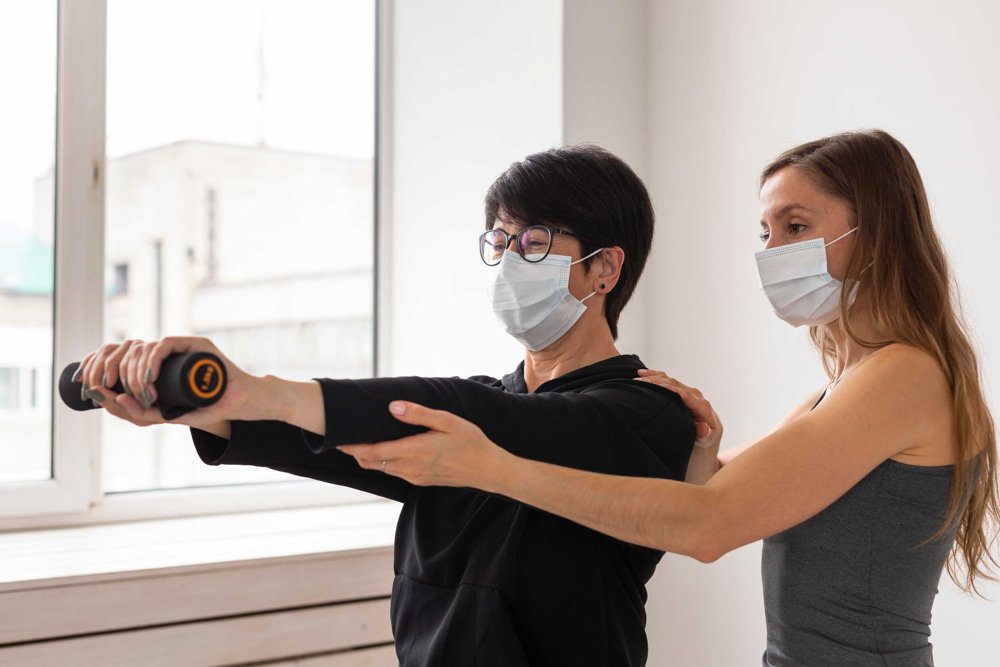
PEP devices physiotherapy in Springwood involves using Positive Expiratory Pressure devices as part of a respiratory treatment plan.
The principle is surprisingly simple. When you breathe out against resistance, pressure builds inside the airways. This helps keep smaller air passages open and allows air to get behind mucus that may be stuck deeper in the lungs.
Over time, this can help:
For many people, PEP therapy becomes an important part of daily respiratory care.
Not all mucus sits where it can be easily coughed out.
In many chronic respiratory conditions, mucus becomes trapped in smaller airways. When this happens, coughing often becomes tiring without being particularly effective.
This is why respiratory physiotherapy Springwood often focuses on helping mucus move before trying to remove it.
PEP therapy assists this process by improving airflow behind secretions and helping shift them towards larger airways where clearance becomes easier.
PEP therapy is commonly used by people living with conditions that affect airway clearance.
This may include:
As part of physio for chronic lung conditions, PEP therapy can help individuals manage symptoms more effectively and maintain better lung health over time.
Very rarely is respiratory treatment built around a single technique.
Most airway clearance techniques Springwood programs combine several approaches depending on the person's condition, symptoms, and goals.
A respiratory physiotherapist may combine:
The aim is to create a system that works for the individual rather than relying on a one-size-fits-all solution.
Yes, particularly when mucus retention contributes to symptoms.
Many people performing COPD lung clearing exercises struggle because mucus narrows the airways and increases breathing effort.
PEP therapy may help by:
While it is not a cure for COPD, it can become a useful tool within a broader treatment plan.
People receiving cystic fibrosis chest physio Springwood often need regular airway clearance throughout their lives.
Mucus in cystic fibrosis can become thick and difficult to remove naturally. Consistent airway clearance is therefore a major part of protecting lung function.
Many respiratory clinicians use PEP devices physiotherapy in Springwood to help support this process and make routine mucus management more effective.
No.
Exercise remains one of the most effective ways to support lung health.
Movement encourages deeper breathing, improves circulation, and naturally assists mucus movement within the lungs.
That is why Physiotherapy Springwood programs often include:
PEP therapy works best when combined with an active management approach.
A physiotherapist Springwood specialising in respiratory care will usually assess more than just the lungs.
This may include looking at:
This information helps determine whether PEP devices physiotherapy in Springwood is appropriate and how it can be integrated into a personalised treatment plan.
For many people, yes.
Living with chronic chest congestion can affect far more than breathing alone.
It may impact:
Many people seeking chest physio Springwood report that managing mucus more effectively helps them feel more comfortable, active, and independent throughout the day.
You may benefit from professional assessment if you experience:
Many people searching for the best physio in Springwood are surprised to learn that improving breathing is not always about medication. Sometimes it is about learning the right techniques and using the right tools.
The goal of PEP devices physiotherapy in Springwood is not simply to help people cough more.
The goal is to help them clear mucus more efficiently, breathe with less effort, and feel more in control of their respiratory health.
When combined with expert guidance, appropriate exercise, and other respiratory strategies, PEP therapy can become a practical long-term solution for managing airway clearance and supporting better day-to-day breathing.