
When people hear the word “core,” they usually think about fitness.
Planks. Sit-ups. Ab workouts.
But the real purpose of the core has very little to do with visible abs.
Your core acts more like a support system. It helps stabilise the spine, transfer force through the body, and maintain control during movement. Without proper stability, even simple tasks can place unnecessary stress on the joints and muscles.
That is why core stability training in Springwood is commonly used in physiotherapy settings, not just gyms.
It is often recommended for people dealing with poor posture, recurring lower back discomfort, reduced balance, breathing inefficiency, or difficulty returning to exercise after injury.
In many cases, the issue is not a lack of strength. It is a lack of coordinated support through the trunk and pelvis during movement.
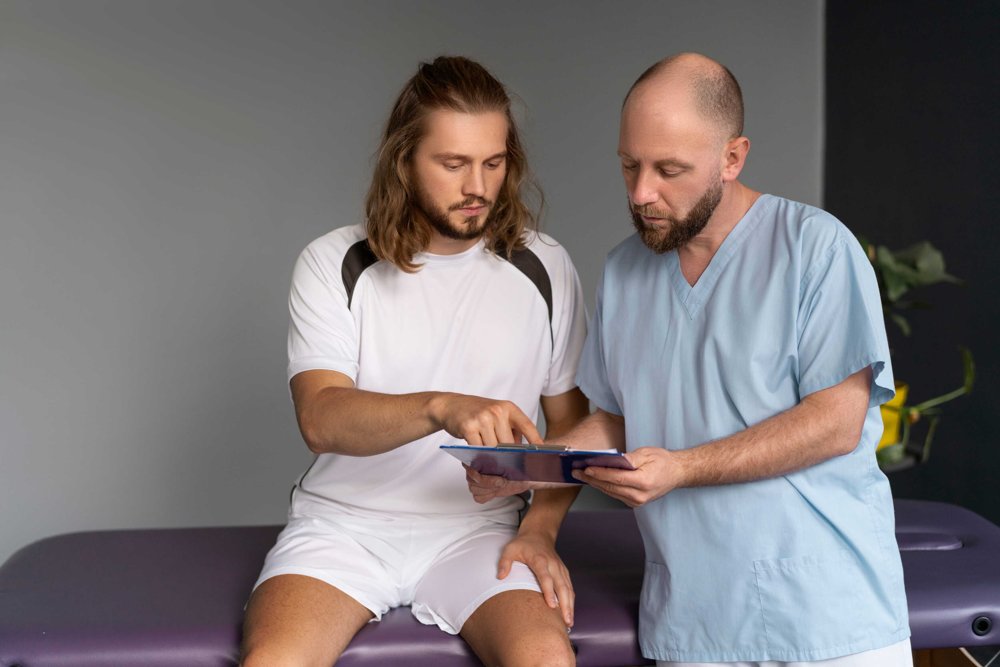
Core stability training in Springwood refers to exercises and movement strategies designed to improve control around the spine and pelvis.
The core includes much more than the abdominal muscles. It also involves:
These structures work together to maintain stability while the body moves.
When this system is functioning properly, movement becomes more efficient and the body handles physical load more effectively.
Because nearly every movement depends on it.
Standing, walking, lifting, bending, reaching, and even breathing require coordination between the trunk and surrounding muscles.
When stability is poor, the body compensates in other areas. Over time, this may contribute to:
This is one reason core stability training in Springwood is frequently included in rehabilitation programs.
The goal is to improve how the body supports itself during normal activity, not simply to strengthen the stomach muscles.
There is a strong connection between spinal stability and lower back function.
People with chronic low back pain often develop altered movement patterns after injury or prolonged discomfort. Muscles may become overactive in some areas and underactive in others.
As a result, the body loses efficient control around the spine.
This is why back pain physiotherapy commonly includes controlled stability exercises to improve movement coordination and reduce unnecessary strain on the lower back.
Rather than forcing the body into rigid posture, the focus is on restoring balanced support during movement.
Yes, significantly.
One of the most overlooked parts of core function is the diaphragm, which plays a role in both breathing and spinal support.
When breathing patterns become shallow or inefficient, trunk stability can also become less effective.
This overlap is why inspiratory muscle training and breathing retraining are sometimes included alongside core stability training in Springwood.
Within respiratory physiotherapy, improving breathing mechanics may also improve postural control and movement efficiency.
In many cases, yes.
Poor posture is not always caused by laziness or lack of awareness. Often, the body simply lacks the endurance and coordination needed to maintain efficient alignment.
When the core support system fatigues, other muscles compensate.
This may lead to:
That is why improving stability often has a positive effect on posture naturally, without constantly trying to “sit up straight.”
A wide range of people.
Core stability training in Springwood is commonly used for:
It may also form part of WorkCover physio rehabilitation where lifting control and spinal support need improvement after workplace injury.
Yes, particularly when breathing becomes inefficient.
People undergoing post-COVID breathlessness treatment or Asthma management physio sometimes experience reduced endurance, chest tightness, and altered breathing mechanics.
When breathing becomes laboured, the body often changes posture and movement patterns to compensate.
This can contribute to fatigue and muscular tension over time.
For this reason, modern physiotherapy Springwood programs may combine breathing exercises with controlled stability work to improve both respiratory and physical function together.
Most sessions are more controlled than intense.
Rather than high-repetition exercises, treatment often focuses on:
The aim is to improve how the body stabilises itself during real-life movement, not simply during exercise.
Quality of movement is prioritised over difficulty.
Usually when movement starts feeling inefficient or uncomfortable.
Signs may include:
These issues often indicate that the body is compensating rather than stabilising effectively.
The biggest misconception about core training is that it is mainly cosmetic.
In reality, proper stability influences how the entire body moves and functions.
Without it, even basic activities can place excess stress on the spine and surrounding muscles.
That is why core stability training in Springwood is used across physiotherapy, rehabilitation, respiratory care, and injury management settings.
Not to create perfect posture or visible abs.
But to help the body move with better support, better control, and less unnecessary strain over time.