
Recovery after a stroke is not one big breakthrough. It is a series of small wins that slowly add up.
One day you sit more upright. Another day you take a steadier step. Over time, those changes start to feel like progress. That is the role of physio for stroke recovery in Springwood. It helps rebuild movement in a way that actually carries over into daily life.
This process is structured, but it is never rigid. It adapts based on how your body responds, not just what the textbook says.
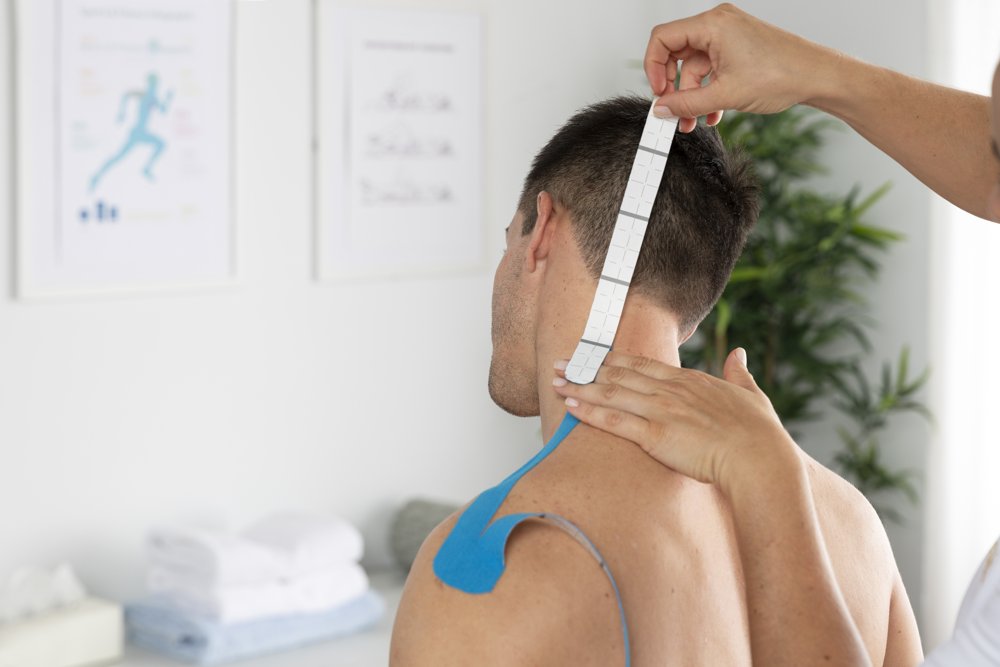
Each session of physio for stroke recovery in Springwood is built around practical movement.
You are not just doing exercises for the sake of it. You are retraining your body to handle real tasks like:
A physiotherapist Springwood will adjust the session based on what you can do that day, not what you should be able to do.
Some movements improve quickly. Others feel stuck.
That is normal.
Stroke affects the brain differently depending on the area involved. Neurological physiotherapy works by repeating movements until the brain starts forming new pathways.
This is why progress can look like:
It is not random. It is how the brain rebuilds.
Walking is rebuilt, not rushed.
Instead of jumping straight into full movement, physio for stroke recovery in Springwood breaks it down:
Once those pieces improve, walking becomes more natural. This is often supported by elements of Musculoskeletal Rehabilitation in Springwood, especially when strength and joint control need rebuilding.
Strength comes in after control.
Early rehab focuses on movement quality. Once that improves, strengthening becomes more effective and safer. This is where structured loading and resistance work come in.
Some people also deal with stiffness or discomfort during this phase. That is where MSK Pain Management plays a role, helping reduce limitations that could slow progress.
Yes, and it often does.
Pain from stiffness, poor positioning, or limited movement can reduce how much someone participates in rehab. That is why managing discomfort is part of the process, not an afterthought.
In some cases, recovery plans may even overlap with respiratory physiotherapy for lung conditions in Underwood, especially if breathing efficiency or endurance is affecting activity levels.
Long-term recovery needs consistency. That is where NDIS Physiotherapy in Springwood becomes valuable.
An NDIS physio Springwood plan often focuses on practical outcomes such as:
It allows ongoing access to physiotherapy rather than stopping too early.
Posture affects everything from balance to breathing.
Many stroke patients develop compensations that make movement harder over time. Addressing this early helps prevent long-term issues.
In some cases, treatment may overlap with postural and desk-related strain treatment in Underwood, especially for individuals who spend long periods sitting during recovery.
Yes. Recovery is rarely isolated.
Some individuals benefit from combining neurological rehab with elements of sports physiotherapy, particularly when working toward higher-level movement goals like running or returning to physical activity.
Others may incorporate breathing work, such as inspiratory muscle training (IMT) for breathing difficulties in Underwood, to improve endurance and reduce fatigue during movement.
There is no fixed endpoint.
Early stages focus on basic movement. Later stages shift toward independence and long-term function. Many people continue therapy in some form, especially when supported by structured programs.
The key is progression, not speed.
Recovery is not about getting back to exactly how things were. It is about building something that works again.
Physio for stroke recovery in Springwood focuses on steady improvement. Better balance. More controlled movement. Increased confidence during everyday tasks.
By combining Neurological physiotherapy, targeted strength work, and support from approaches like Musculoskeletal Rehabilitation in Springwood, recovery becomes more complete.
It is not fast. It is not perfect. But it works when it is consistent.