
When you’re trying to use a document in another country, it can feel like you’ve stepped into a maze of rules. One office wants “official proof,” another asks for a special stamp, and what should be a quick task suddenly turns into a stressful deadline. The tricky part is that most international agencies don’t doubt you as a person. They’re checking whether your paperwork can be trusted in their system. If the format is off or one small step is missing, your request can get rejected, and you lose valuable time. That’s why getting it right from the start matters. With a simple plan and a calm approach, the process feels much easier and far less frustrating. In this article, this guide will walk you through the simplest way to meet international requirements.
Why International Offices Ask for Extra Proof
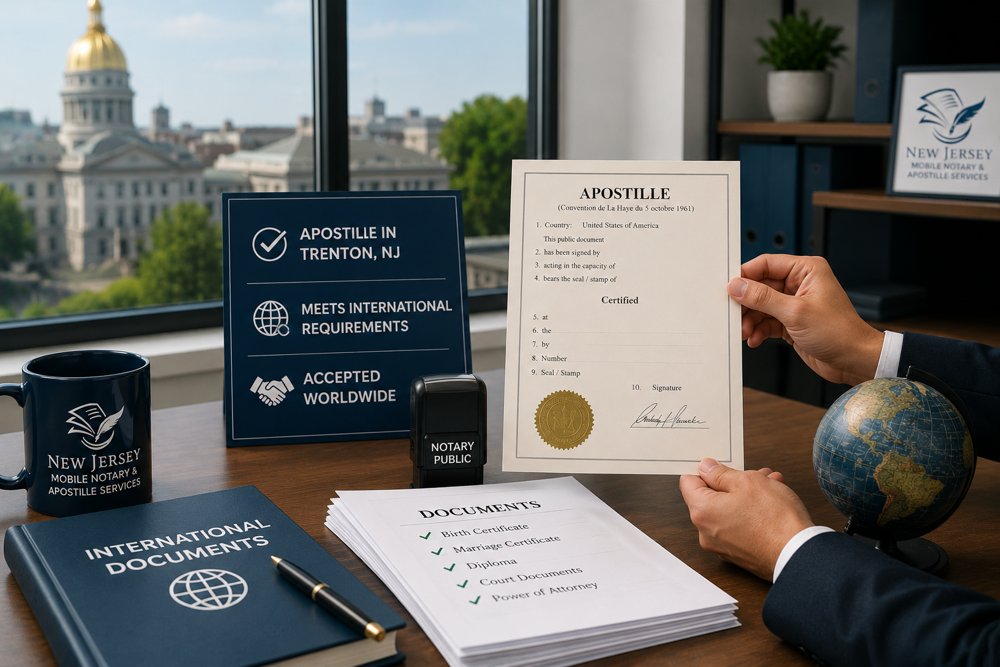
When a document crosses borders, the receiving country needs a dependable way to confirm it’s real. They may not recognize local seals or standard notarization the same way you do, so they rely on a formal verification method that fits international expectations. The apostille in Trenton, NJ, process supports those who need it by helping their paperwork match what many foreign offices require. Once you see the purpose, it stops feeling like pointless red tape and starts feeling like a protective step that helps your application move forward without being questioned.
What “Being Ready” Really Looks Like
Most delays come from documents that look fine at first glance but fail on small details. A certified record might be required instead of a regular copy. A signature might need to come from the right official. A document might not need notarization first, even if it already has a stamp. Preparation isn’t about doing extra work. It’s about doing the correct work. Check names, dates, spelling, and whether the version is current. Keep originals safe, and organize everything so nothing goes missing. That steady, careful setup usually saves you the biggest headache later.
Timing Feels Unclear Until You Know the Factors
People want a straight answer on speed, but timing depends on what you submit and how clean your packet is. Office volume, shipping choices, and document type can all shift the schedule. Still, the biggest time-saver is accuracy. Many clients ask how long it takes to get an apostille in NJ. And the most honest answer is that it’s often quickest when your paperwork is correct the first time. If you start with a quick review and plan your delivery method early, you avoid delays that usually show up at the worst moment.
The Mistakes That Cause the Most Frustration
A lot of rejections come from things people don’t expect. Using a photocopy instead of a certified version. Forgetting a required notarization step. Leaving out a supporting form. Or sending a document that the destination country won’t accept in that format. The worst part is that these mistakes don’t feel “major” until they cost you days. A simple check before submission can prevent the most common return reasons. If anything feels uncertain, it’s always smarter to confirm first than to fix it after it bounces back.
How the Right Help Makes It Feel Manageable
When someone guides the process, it stops feeling like you’re guessing. The right service keeps your paperwork in order, checks requirements, and helps you submit with confidence. Using apostille service in Trenton, NJ, support can be especially helpful when you’re working with strict deadlines or important originals; because a trained eye can catch issues most people miss. That means fewer surprises, fewer repeat trips, and a smoother experience from start to finish.
Conclusion
International requirements can feel intimidating at first, but they get much easier when you follow a clean, logical path. This article explained why extra verification is needed, what solid preparation looks like, what affects timing, and which mistakes most often slow everything down.
New Jersey Mobile Notary & Apostille Services helps clients move through the process with careful document review, secure handling, and clear updates that reduce stress. Their team is known for staying organized and detail-focused throughout. Many people rely on their steady support because it makes the entire experience feel guided, simple, and predictable.
Frequently Asked Questions
Question: What documents usually require international acceptance steps?
Answer: Common items include birth records, diplomas, business filings, and signed letters. The destination country’s rules matter most, so checking requirements early helps avoid rework, delays, and frustration later.
Question: What is the easiest way to avoid delays?
Answer: Start with a full review of names, dates, signatures, and the correct document type. Use tracked delivery and keep copies. Quick fixes early prevent returns, repeat submissions, and wasted time.
Question: What should I do if my paperwork is returned?
Answer: Read the return note carefully, fix only the exact issue, and resubmit promptly. Keep scans and tracking details. A second review before resubmission can reduce repeat mistakes and delays.