
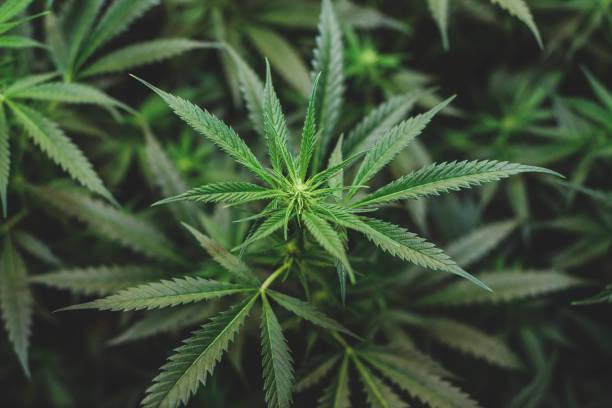
Cannabis has long been known for its psychoactive effects, most notably from tetrahydrocannabinol (THC), the compound responsible for the "high" associated with marijuana use. However, what many people don't realize is that THC isn't always present in cannabis in its active form. Instead, it begins as tetrahydrocannabinolic acid (THCA), a non-psychoactive compound that is converted into THC through a process known as decarboxylation. In this article, we will dive into what THCA is, how it works, its potential health benefits, and its unique characteristics that make it stand out in the world of cannabis.
THCA is a naturally occurring cannabinoid found in the cannabis plant. Unlike THC, THCA is non-psychoactive, meaning it does not produce the euphoric or intoxicating effects commonly associated with cannabis use. THCA is actually the raw, acidic form of THC. When cannabis is consumed in its natural, unheated form, the THCA is not converted into THC and thus does not produce a high. This is why eating raw cannabis, for example, will not have the same effect as smoking or vaping.
The transformation of THCA into THC happens when the cannabis plant is exposed to heat, a process called decarboxylation. During this process, THCA loses a carboxyl group (CO2), which turns it into the psychoactive THC. This is why, when cannabis is smoked, vaped, or cooked, the THCA is converted into THC, giving users the familiar high.
One of the defining characteristics of THCA is its interaction with the body's endocannabinoid system (ECS), which plays a crucial role in regulating various physiological processes, such as mood, appetite, pain, and inflammation. However, because THCA is not psychoactive, it doesn’t bind to the CB1 receptors in the brain the way THC does. Instead, THCA primarily interacts with the CB2 receptors, which are mostly found in the peripheral tissues and immune system.
This interaction with CB2 receptors may explain why THCA is being studied for its potential therapeutic properties, especially in areas such as inflammation, neuroprotection, and pain relief. However, much more research is needed to fully understand how THCA works within the body, especially when compared to THC and other cannabinoids.
While THCA is not typically associated with the mind-altering effects that THC is famous for, it is believed to offer a variety of potential health benefits. Although research on THCA is still in its early stages, the cannabinoid has shown promise in several key areas. Below are some of the potential benefits that have been suggested by preliminary studies:
One of the most promising areas for THCA is its potential as an anti-inflammatory agent. Studies have shown that THCA may help reduce inflammation in the body by interacting with CB2 receptors, which are primarily involved in the immune response. This could make THCA beneficial for conditions related to chronic inflammation, such as arthritis or inflammatory bowel disease.
Preliminary research suggests that THCA may offer neuroprotective benefits. Some studies have indicated that THCA may have the potential to help protect the brain from neurodegenerative diseases like Alzheimer’s and Parkinson’s. Its antioxidant properties are thought to help protect brain cells from oxidative stress, which is one of the contributing factors to these diseases.
THCA may also have anti-nausea and anti-vomiting properties. Research has shown that THCA, like THC, can help alleviate nausea and vomiting, particularly in patients undergoing chemotherapy. This makes THCA a promising option for cancer patients looking for natural ways to manage side effects of treatment.
Although THCA is non-psychoactive, it may still offer some level of pain relief. Its anti-inflammatory properties, combined with its interactions with the body’s endocannabinoid system, suggest that THCA could be useful for those suffering from chronic pain, particularly conditions like arthritis, multiple sclerosis, and fibromyalgia.
Some research suggests that THCA may have anti-cancer potential, as it appears to inhibit the growth and proliferation of certain cancer cells. Although these findings are preliminary and require more investigation, they point to the possibility that THCA could play a role in cancer treatment in the future.
Since THCA is non-psychoactive, it can be consumed in various ways without worrying about the typical high associated with cannabis use. Some of the most common ways to consume THCA include:
One of the simplest ways to consume THCA is by eating raw cannabis. The unheated, raw form of the plant contains high levels of THCA, which is ideal for those who want to experience the benefits of THCA without the psychoactive effects of THC. People can make smoothies, salads, or juices by blending fresh cannabis leaves, or simply add raw cannabis to other foods.
THCA tinctures are a concentrated liquid form of THCA that can be taken sublingually (under the tongue) for fast absorption. These tinctures are often made by infusing cannabis in alcohol or another solvent and are available in various strengths. Tinctures provide a convenient and controlled method of dosing THCA.
For those who prefer a more traditional method of consumption, THCA capsules are available on the market. These capsules are filled with concentrated THCA and offer a discreet and easy way to consume the compound. This method of consumption also ensures consistent dosing.
THCA can be concentrated into extracts, which are available as oils, shatter, and other cannabis concentrates. These products are often used by cannabis enthusiasts who want a more potent dose of THCA or those looking to incorporate it into other cannabis products.
While THCA and THC share a similar chemical structure, the key difference is that THCA is the acidic, non-psychoactive precursor to THC. Only through heating or decarboxylation does THCA convert into THC, activating its psychoactive properties. This means that consuming raw cannabis or THCA-rich products will not produce the euphoric high that comes with consuming THC. However, THCA retains many of the potential therapeutic benefits that THC offers, without the intoxicating effects.
Though still in the early stages of research, THCA presents itself as a promising compound with a wide range of potential health benefits. From its anti-inflammatory and neuroprotective properties to its potential for pain relief and anti-nausea effects, THCA is slowly gaining recognition in the world of cannabis wellness.
As more research emerges on THCA, it could become a significant player in the field of medical cannabis, especially for those who are looking for the therapeutic benefits of cannabis without the psychoactive effects of THC. Whether consumed as raw cannabis or in concentrated forms, THCA offers a unique way to experience the benefits of the cannabis plant, without the high.