
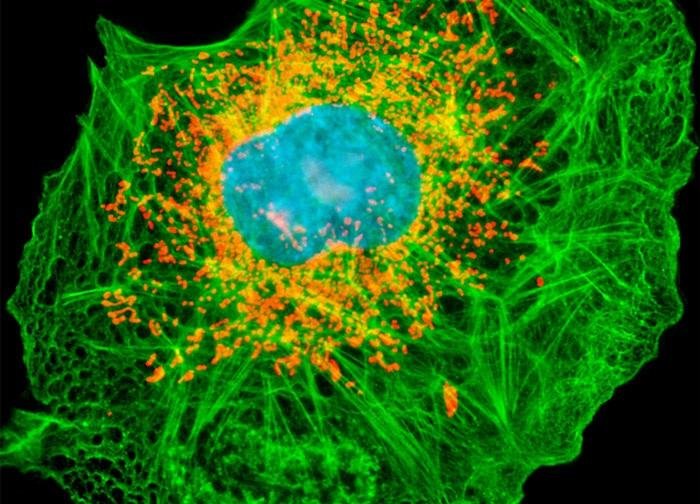
CHO cell line development is a critical process in modern biopharmaceutical manufacturing. Chinese Hamster Ovary (CHO) cells are widely used for producing therapeutic proteins, monoclonal antibodies, vaccines, and other biologics. Their adaptability, scalability, and ability to perform complex post-translational modifications make them the preferred host system for commercial biologic production.
This article provides a detailed overview of CHO cell line development, including its process, advantages, applications, and emerging advancements.
CHO cells have become the industry standard for recombinant protein production due to several important characteristics:
These features make CHO cell line development essential for ensuring consistent and safe biologic production.
CHO cell line development involves generating genetically engineered CHO cells that stably express a target protein at high levels over extended culture periods. The process is structured, data-driven, and highly controlled to ensure quality and reproducibility.
The process begins with designing an expression vector containing the gene encoding the desired protein. This vector includes regulatory elements such as promoters, enhancers, and selection markers that drive stable expression.
Codon optimization is often performed to enhance translation efficiency in CHO cells. Proper construct design directly influences productivity and stability.
The expression vector is introduced into CHO cells using transfection methods such as electroporation or chemical transfection. Once inside the cells, the DNA integrates into the host genome.
Stable integration ensures that the gene is maintained and expressed through multiple cell generations.
After transfection, selective pressure is applied using antibiotics or metabolic selection systems. Only cells that successfully integrate the gene survive.
Common selection systems include DHFR (dihydrofolate reductase) and GS (glutamine synthetase) amplification systems. These systems help increase gene copy number, resulting in higher protein expression levels.
Single-cell cloning is performed to isolate individual clones. Each clone is screened for:
High-producing and stable clones are shortlisted for further development.
Selected clones undergo extended culture testing to confirm consistent expression across multiple generations. Stability assessment ensures long-term productivity and reduces manufacturing risks.
Regulatory authorities require demonstration of genetic and phenotypic stability before approval for clinical manufacturing.
Once a suitable clone is identified, a Master Cell Bank (MCB) and Working Cell Bank (WCB) are established. These banks serve as the foundation for future production batches.
Cell banking includes comprehensive characterization, sterility testing, and documentation to meet regulatory standards.
CHO cell line development integrates with upstream and downstream processes.
Upstream Processing:
Optimized bioreactor conditions, feeding strategies, and media composition enhance productivity and protein quality.
Downstream Processing:
Purification methods such as Protein A chromatography, filtration, and viral clearance steps ensure product purity and safety.
Coordinating cell line development with process optimization improves overall manufacturing efficiency.
CHO cell line development supports a wide range of biopharmaceutical products.
Most therapeutic monoclonal antibodies are produced using CHO cells due to their ability to generate appropriate glycosylation patterns.
Hormones, enzymes, and growth factors used in clinical treatments are commonly expressed in CHO systems.
CHO cell line platforms are widely used for biosimilar development, ensuring comparable quality and performance to reference biologics.
Certain vaccine antigens and recombinant viral proteins are produced using engineered CHO cells.
CHO cell line development offers multiple benefits:
These advantages make CHO cells the dominant platform in biologics manufacturing.
For therapeutic production, CHO cell line development must comply with Good Manufacturing Practice (GMP) standards. Regulatory agencies require detailed documentation covering:
Comprehensive characterization ensures product consistency, safety, and efficacy.
Despite its widespread use, CHO cell line development presents several challenges:
Addressing these challenges requires advanced screening technologies, automated systems, and experienced scientific oversight.
Technological innovation continues to improve CHO cell line development efficiency.
These advancements reduce development timelines and improve overall yield and quality.
As demand for biologics grows globally, CHO cell line development remains central to pharmaceutical innovation. Enhanced cell engineering, improved media formulations, and integrated digital monitoring systems are shaping the next generation of manufacturing platforms.
Ongoing research focuses on increasing productivity while maintaining strict quality standards.
CHO cell line development is a foundational process in biopharmaceutical manufacturing, enabling stable and high-yield production of therapeutic proteins and monoclonal antibodies. Through careful gene design, clone selection, stability testing, and regulatory compliance, this platform ensures consistent product quality and scalability. As biotechnology advances, CHO cell line development continues to support safe, efficient, and reliable biologic production worldwide.