
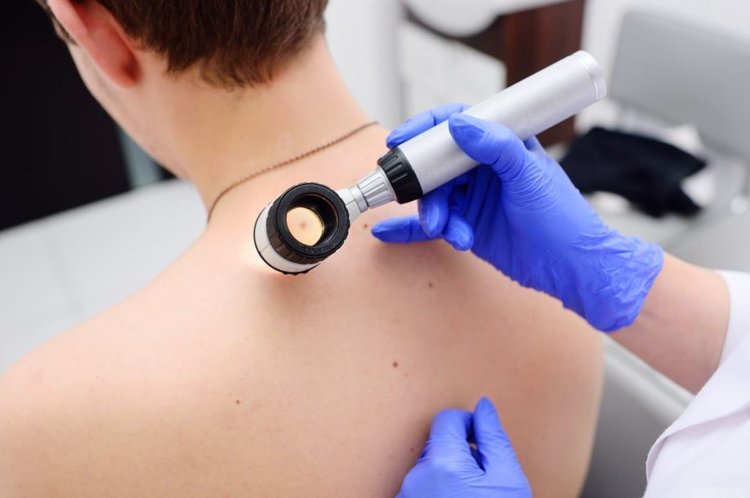
Early detection and timely treatment are among the most important factors in managing skin cancer effectively. When certain skin cancers are identified at an early stage, doctors may have several treatment options available, including carefully selected topical therapies. These treatments can be particularly useful for specific superficial skin cancers and precancerous lesions, offering a targeted approach while potentially avoiding more invasive procedures.
At Manningham Skin Cancer Clinic, understanding the nature, location and stage of a skin lesion is an essential part of determining the most appropriate management approach. Topical Treatments for Skin Cancer may be recommended in selected cases when the condition is suitable for treatment applied directly to the skin.
Understanding Topical Skin Cancer Treatment
Topical treatment involves applying medication directly to the affected area rather than taking medicine internally or undergoing an immediate surgical procedure. Depending on the diagnosis, topical therapies may work by stimulating the body's immune response or by acting directly on abnormal cells.
Topical Treatments for Skin Cancer are not appropriate for every type of skin cancer. Their suitability depends on factors such as the type of lesion, its size, depth, location and whether there is evidence of deeper or invasive disease. A professional skin examination and accurate diagnosis are therefore essential before treatment begins.
When used for appropriate conditions, topical therapy can provide a focused treatment option. It may also be considered when treating multiple superficial lesions or areas where preserving the appearance of the skin is an important consideration.
Why Early Management Matters
Skin cancer can develop gradually, and some early lesions may appear relatively harmless. Changes in colour, texture, size, shape or behaviour can sometimes indicate that further assessment is needed. Regular skin checks can help identify suspicious lesions before they become more advanced.
Early assessment can broaden the range of treatment choices available. In selected cases, Topical Treatments for Skin Cancer can form part of an early management strategy, particularly when the abnormal cells are confined to the superficial layers of the skin.
The earlier a suspicious lesion is assessed, the sooner a qualified clinician can determine whether observation, topical therapy, a procedural treatment or another approach is appropriate. This makes routine skin surveillance an important part of proactive skin health.
How Topical Treatments Work
Different topical medicines have different mechanisms of action. Some therapies stimulate the immune system to recognise and respond to abnormal cells, while others interfere with processes that allow abnormal cells to survive or multiply.
Treatment is generally applied to the affected skin according to a prescribed schedule. The exact duration and frequency depend on the medication and the condition being treated. During therapy, the skin may develop redness, irritation, scaling or inflammation. These reactions can sometimes occur as the medication acts on abnormal tissue, although significant or unexpected symptoms should always be discussed with the treating clinician.
Because topical therapy requires consistent application and monitoring, patients should follow their clinician's instructions carefully rather than adjusting the treatment schedule independently.
Conditions That May Benefit From Topical Therapy
Topical therapy is generally considered for selected superficial skin conditions rather than all forms of skin cancer. Certain precancerous lesions, for example, may be managed with topical medication when a clinician determines that the treatment is suitable.
Some superficial forms of basal cell carcinoma may also be candidates for specific topical therapies in carefully selected circumstances. However, deeper, larger or higher-risk lesions may require a different treatment approach.
This is why Topical Treatments for Skin Cancer should always be regarded as a personalised medical treatment rather than a general solution for suspicious skin lesions. A lesion that appears suitable for topical treatment may require a biopsy or other assessment before a treatment decision is made.
The Importance of Professional Diagnosis
One of the biggest risks of treating a suspicious skin lesion without professional assessment is choosing an inappropriate treatment. Different skin cancers can look similar, while some lesions may require treatment beyond the surface of the skin.
At Manningham Skin Cancer Clinic, assessment helps determine the nature of a lesion and the most suitable management pathway. Depending on the circumstances, this may involve clinical examination, dermoscopy, photography, biopsy or referral for another procedure.
A confirmed diagnosis allows the treatment plan to be based on the characteristics of the lesion rather than appearance alone. This is particularly important when considering Topical Treatments for Skin Cancer near me, because topical medicines have specific indications and limitations.
What Patients Can Expect During Treatment
Patients prescribed a topical therapy will normally receive detailed instructions about where and how to apply the medication. The treatment area should generally be kept within the boundaries recommended by the clinician, and patients should avoid making changes to the prescribed routine without professional advice.
Visible skin reactions may develop during treatment. Redness, dryness, scaling and irritation can occur with some medications. The expected response varies depending on the treatment and individual patient.
Follow-up is also important. A clinician may need to assess how the lesion has responded and determine whether further treatment or another management strategy is required. Completing the recommended follow-up helps ensure that the treatment outcome is properly evaluated.
Benefits of a Targeted Approach
One potential advantage of topical therapy is that medication can be applied directly to a defined area of affected skin. For suitable superficial conditions, this can provide an alternative to treatments involving removal of tissue.
For some patients, topical therapy may also be convenient because it can be administered at home according to a clinician's instructions. It can be particularly useful when multiple superficial areas require treatment.
However, convenience should never replace medical supervision. Topical Treatments for Skin Cancer work best when they are selected for the right condition, used correctly and followed by appropriate clinical review.
Topical Therapy Is Not a One-Size-Fits-All Solution
It is important to understand that topical medication is only one part of the wider range of skin cancer treatment options. Depending on the diagnosis, a patient may instead require surgical removal, cryotherapy, curettage, photodynamic therapy or another specialist treatment.
Factors such as tumour type, depth, location and risk profile influence the decision. A treatment that is appropriate for a superficial lesion may not be suitable for a lesion that has penetrated deeper into the skin.
For this reason, Topical Treatments for Skin Cancer should be considered only after an appropriate clinical assessment. Self-treating a suspicious lesion can delay the diagnosis of a condition that requires more definitive treatment.
Supporting Long-Term Skin Health
Treatment is only one part of managing skin cancer risk. Protecting the skin from excessive ultraviolet exposure remains important, particularly for people who have previously developed suspicious or cancerous lesions.
Using broad-spectrum sunscreen, wearing protective clothing, seeking shade and avoiding unnecessary exposure to intense sunlight can help reduce ongoing UV damage. Regular self-checks can also help patients notice new or changing lesions between professional appointments.
After treatment, continued monitoring remains valuable because having one skin cancer or precancerous lesion can mean that additional lesions may develop over time. A personalised skin-check schedule can help support ongoing surveillance.
Take the Next Step With Expert Skin Assessment
When a suspicious lesion is identified, early professional assessment can make a meaningful difference to the available treatment pathway. In suitable cases, Topical Treatments for Skin Cancer can provide a targeted option for managing specific superficial skin conditions while supporting a carefully monitored treatment plan.
The right treatment depends on an accurate diagnosis, the characteristics of the lesion and the individual patient's circumstances. Rather than relying on appearance or attempting treatment independently, patients should seek assessment from an experienced skin cancer clinic.
Manningham Skin Cancer Clinic provides professional skin cancer assessment and management to help patients understand their treatment options. If you have noticed a new, changing or unusual skin lesion, arranging a clinical assessment is an important step toward early and effective management. With timely diagnosis and an appropriately selected treatment plan, patients can take a proactive approach to protecting their long-term skin health.
Check out related articles on our blog: Manningham Skin Cancer Clinic