
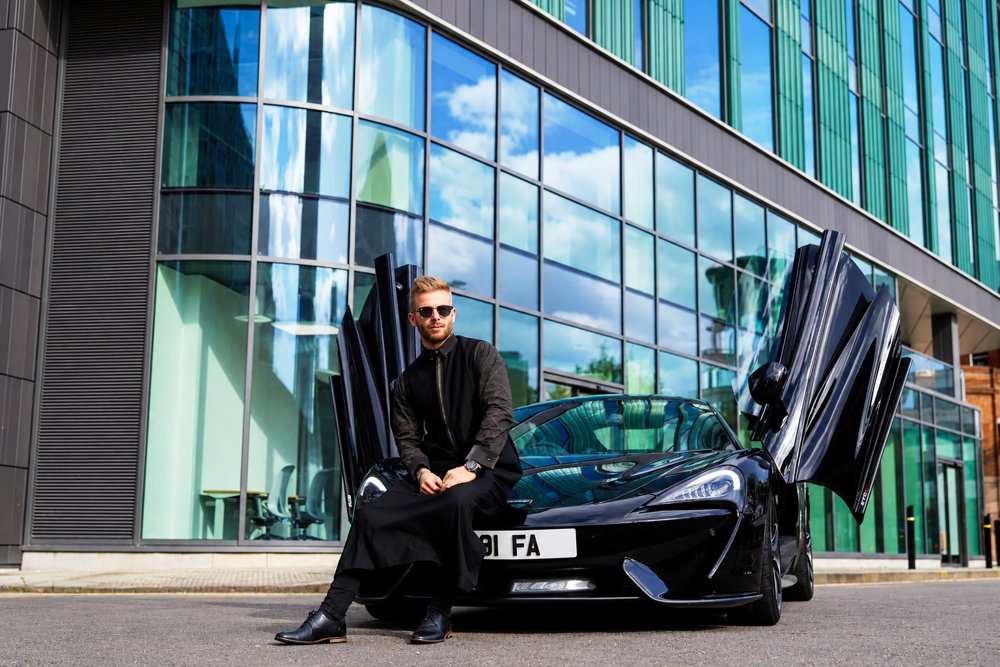
A clothing range can be beautifully designed and still look slightly confused online. One set of images is bright, another feels darker, and suddenly the same brand looks like two different businesses. Shoppers may not analyze why, but they notice when something feels off. Strong photography gives a collection a recognizable visual thread without making every picture look identical. In this article, we will discuss how thoughtful planning can keep that visual identity steady across different collections and marketing channels.
The work usually starts before anyone steps in front of the camera. A fashion photographer in Manchester can help define practical rules around lighting, backgrounds, cropping, posing, and color treatment. Nothing overly complicated. Just enough structure to stop the shoot drifting in different directions. Say a brand has 30 garments to photograph in one day. Choosing two main crops and one dependable lighting setup beforehand reduces the chance of later images looking noticeably different. Creative freedom still matters, of course. A strict setup can feel limiting, but some control is worthwhile when the finished catalog needs to look like one collection rather than several unrelated shoots.
No one wants every seasonal campaign to look identical. That gets dull quickly. At the same time, changing everything with each launch can make a brand harder to recognize. Professional fashion photography in Manchester works best when a few visual details remain familiar while others are allowed to change. A spring campaign might use pale backgrounds and softer styling, while an autumn collection could be richer and more textured. The framing and editing can still carry the same underlying character. In practice, I'd keep two or three visual rules fixed and let everything else breathe. Maybe it's camera position, color accuracy, or model framing. Small decisions like these often create the sense that everything clearly belongs to the same label.
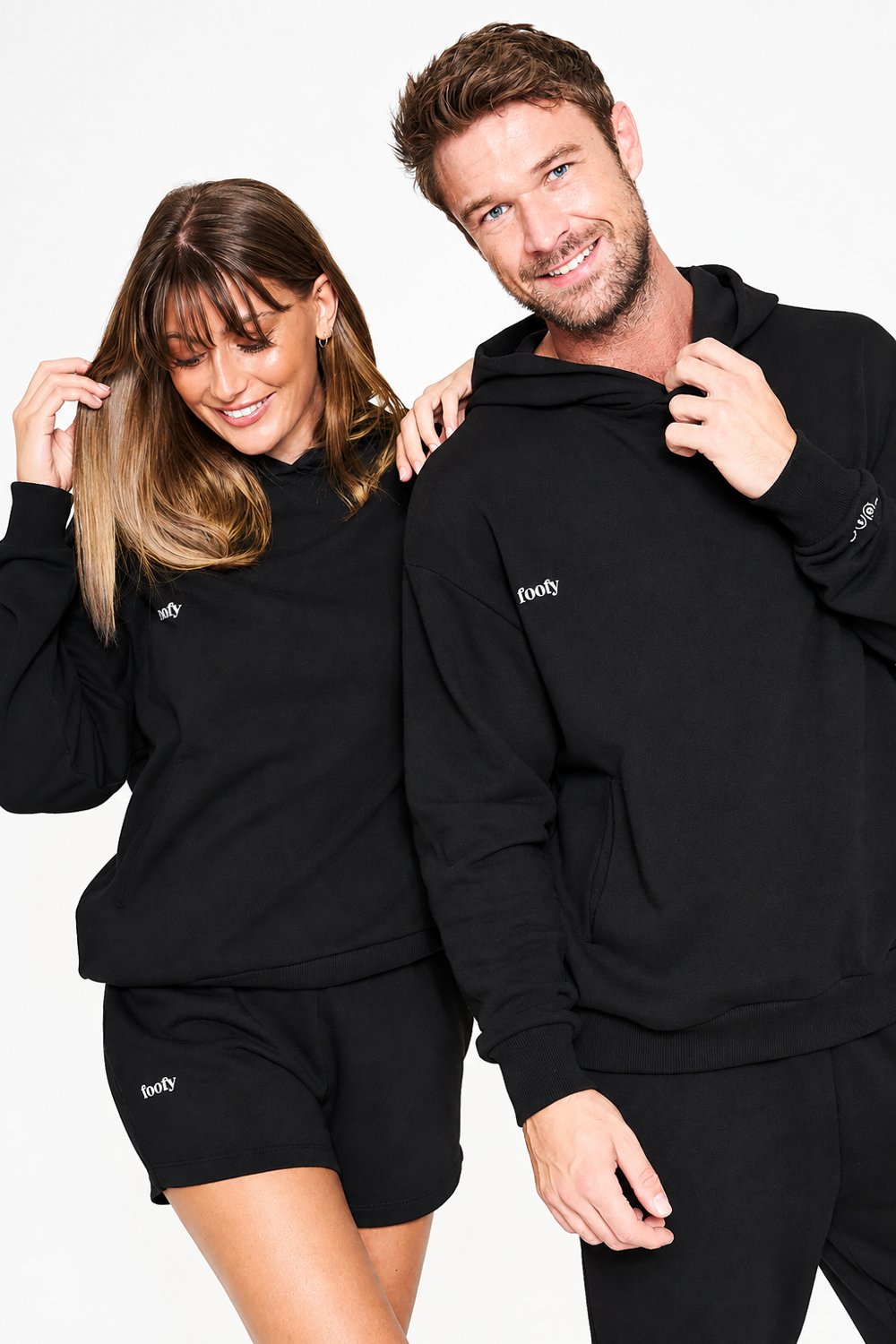
Even a good plan can become messy once outfit changes, model movement, and tight schedules come into play. A few simple checks help maintain continuity, particularly during fashion model photography in Manchester for e-Commerce pages, lookbooks, and campaign material.
Consider a cream knit photographed at 10 a.m. and another similar piece shot at 3 p.m. after the lights have moved. Separately, both might look fine. Place them beside each other on a category page, and the difference can become obvious. A quick comparison during the session often saves a lot of correction later.
Fashion images rarely stay in one place. A single session might supply product pages, social posts, banners, email campaigns, press material, and printed lookbooks. That changes how images should be planned. Working with the Best fashion photographer in Manchester for lookbooks means considering final usage while the photographs are still being created. A tight vertical composition may work beautifully on Instagram but become awkward for a wide website banner. A wider frame gives designers more room for text, although it can feel less immediate on a product page. There's always a tradeoff.
A consistent collection doesn't require every photograph to look identical. It comes from repeating the right details, such as lighting, framing, color, and styling, while leaving enough creative freedom for each new collection to develop its own character.
Manchester Photography Studio can help fashion and e-Commerce teams create organized image sets for products, lookbooks, and campaign material. With a clear brief and practical shoot structure, brands can develop a useful visual library that remains consistent as their needs change.
Answer: Start with a short visual reference covering lighting, framing, background tone, and editing. Keep a few approved images from earlier sessions nearby during future shoots. They make it easier to notice small changes before those differences reach the finished catalog.
Answer: Not at all. Seasonal campaigns need room to change. Styling, location, mood, and color can evolve while a few familiar elements stay consistent. Keeping the same framing or editing approach can preserve recognition without making every launch feel repetitive.
Answer: Customers often compare several products before choosing. When images use similar lighting, scale, and color treatment, those comparisons become easier. The catalog also feels more organized, helping shoppers focus on garments instead of being distracted by uneven presentation.