
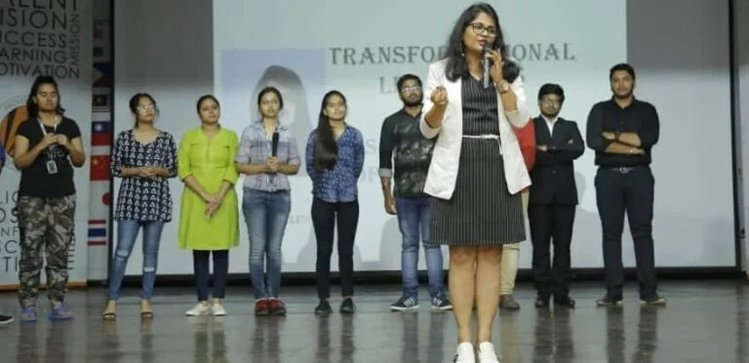
Speed shapes almost everything now, like people have to speak clearly, think quickly, manage pressure well, and still give that calm, real vibe. Sounds easy until real life actually shows up. Interviews feel rushed, meetings move fast, and even casual social moments can leave a strong impression within minutes. A personality development coach can help by taking those vague “self-improvement” intentions and turning them into usable routines that match daily life. Rather than pushing a smooth, polished persona, this kind of guidance typically improves how someone listens, replies, carries them, and chooses what to do next. Over time, that shift becomes obvious in both quiet scenes and high-pressure situations. In this article, we discuss how guided personal growth can help people build a stronger presence in a fast-moving world.
A lot of people think real improvement starts with public speaking or a big career move. Yet the first change often shows itself in smaller rooms, quieter settings. Like, someone enters a place with less hesitation. They close a thought without rushing, or they meet disagreement in a calm way, not by turning defensive. These bits matter because they influence how others interpret reliability and personal trust. A coach might begin with posture, tone, attentive habits, or even response patterns during normal, ordinary conversations. It can sound basic, but it builds a stronger impact over time. Personal presence is rarely made through one dramatic breakthrough. More frequently, it grows via repeated adjustment, self-observation, and steady rehearsal that feel easy enough to keep using.
A strong voice is not always a loud one. It is usually a steady one. People who struggle to explain ideas, set limits, or speak under pressure often know more than they show. Working with a communication skills coach can help close that gap. Sessions may focus on sentence clarity, active listening, emotional control, or how to stay composed when a conversation becomes uncomfortable. These are useful in interviews, client calls, classrooms, and family discussions alike. Someone who learns to pause before reacting, ask better questions, and speak with structure often appears more grounded. That improvement tends to influence relationships just as much as performance.
General advice rarely lasts because it does not match real routines. Progress feels stronger when it connects with a person’s actual concerns, whether that is hesitation in meetings, social awkwardness, or difficulty making decisions. A certified life coach in India can support can feel more practical than broad motivation. Guidance becomes easier to apply when it reflects local realities, family expectations, work culture, and emotional pressures people actually face. Instead of chasing a dramatic reinvention, many individuals benefit from measured steps. They may work on self-belief one week, boundary setting the next, and consistency after that. The path feels human, not performative.
Standing out is not always about being the most noticeable person in a room. Sometimes it means being the one who stays thoughtful while others become scattered. That kind of steadiness grows from self-awareness. A best life coach often helps a person identify patterns that quietly weaken their progress, such as seeking approval too often, avoiding hard conversations, or doubting every decision after making it. Once those habits are named, they become easier to manage. The result is not a fake version of confidence. It is a more settled way of thinking and responding. In fast environments, that calm consistency can leave the strongest mark.
Lasting improvement usually comes from alignment, not performance. The people who leave a strong impression are often those who know how to think clearly, speak with care, and act with intention even when life feels crowded. Real personal growth is less about becoming someone new and more about removing the patterns that keep natural strengths hidden. That is why guided development often feels practical rather than dramatic.
For those looking for thoughtful support with confidence, communication, self-awareness, and emotional balance, Life Coach Ritu Singal brings a grounded direction that feels relevant to modern routines. Her work reflects a wider focus on clarity and meaningful progress, which makes the coaching journey feel less like surface polishing and more like a steady move toward a stronger, more authentic version of oneself.
Answer: It really depends on the person, the specific goal, and how consistently new habits are put into practice. Some people start noticing small differences within a few weeks, most often in speech patterns and self-awareness. Bigger emotional changes tend to arrive much later, sometimes after months. Overall progress seems to last longer when the pace is realistic, and the approach is used again and again in normal daily moments.
Answer: Yes, especially when the issue involves expression, confidence, boundaries, stress, or decision-making. Many struggles at work are not about knowledge alone. They come from hesitation, fear of judgment, or poor interaction habits. The right support can help someone respond better in meetings, feedback discussions, and leadership situations.
Answer: It tends to help people who feel able, but they usually hold back more than they should. That may be students, employed specialists, founders, or people dealing with life changes that feel personal. In general, anyone aiming for sturdier inner confidence, sharper emotional regulation, and more transparent communication can benefit. The whole process is also quite good for those who are looking for durable inner shifts, not only fleeting encouragement.