
When the enduring art of teaching intersects with the advanced capabilities of AI, a new horizon in education appears. This is especially true in the realm of language learning, where artificial intelligence is revolutionizing how we learn new languages. The fusion of traditional teaching methods and innovative AI technology not only enriches the learning experience but also creates opportunities for more customized and attainable education. This merger promises a profound impact, notably when language teachers begin to harness the power of AI in their teaching methods.
Language teachers who use AI tools find that these technologies can beautifully complement their teaching practices, enriching the educational experience and making language learning more engaging, productive, and flexible to each learner’s needs. AI language learning, for example, includes complex algorithms that can tailor to the skill level and learning rate of each student, delivering tailored lessons and feedback that would be challenging to achieve in a standard classroom environment.
This integration of AI into language learning goes beyond mere automation; it's about amplification. Teachers are finding that AI can act as a assistant teacher, providing real-time interpretations, articulation fixes, and language practice through interactive and absorbing methods. AI language learning tools also incorporate chatbots and virtual conversations, which enable learners to exercise languages in replicated real-world contexts, thereby making the learning process more lively and practical.
Moreover, the use of AI in language learning stretches the walls of the classroom into the learner’s daily life. With ai learn language resources, students can connect with their new language in fun and stress-free contexts, such as through engaging games or software that work alongside television shows or other leisure mediums. This kind of relevant learning helps to consolidate language skills in a way that feels natural and fun.
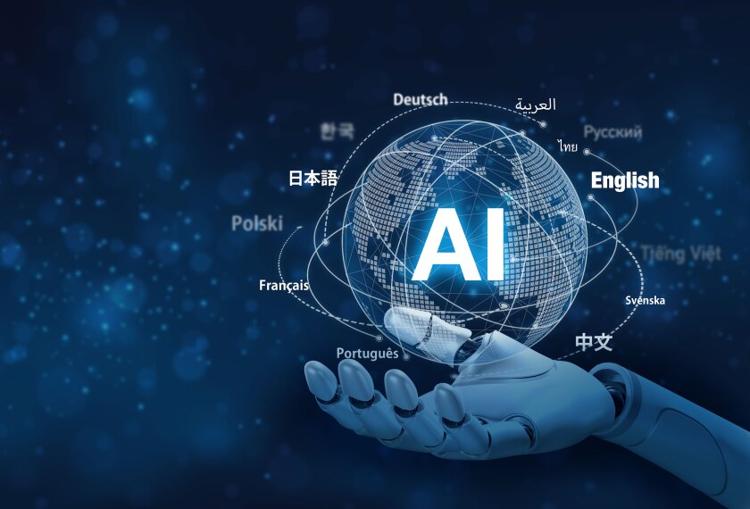
AI also democratizes language learning. Teachers are seeing a dissolution in long-standing barriers as for details become available to people all over the world. Students from various socio-economic backgrounds can learn languages using AI-enhanced tools without the need for costly textbooks or travel. This attainability is essential for creating a more inclusive learning environment where anyone with an internet connection can improve their language skills.
Moreover, AI’s diagnostic capabilities offer teachers deep insights into the effectiveness of their teaching methods. Language learning AI can follow a student's progress and highlight areas that need additional improvement, offering educators with invaluable data to customize their approach to each student’s needs.
Teachers that welcome this technology find themselves empowered to provide a more engaging, reactive, and effective educational experience. In the evolving sands of global communication, AI empowered language learning tools are crucial in preparing students not just to prosper, but to excel in a multilingual world.
The interaction between language teachers and AI is not a tale of displacement but one of enhancement. It’s about creating a mix where human skill meets technological progress, leading to improved learning experiences. As more teachers incorporate AI tools into their language teaching methodologies, we are likely to see a notable shift in how languages are taught and learned. The future of language learning is here, and it is dynamic, inclusive, and cleverly enhanced. By embracing AI, language teachers are not just staying current with the times; they are leading the charge.