
In today’s fast-moving corporate world, leadership goes beyond making decisions behind closed doors. CEOs are expected to be the face of their companies, confidently communicating with the media, investors, and the public. Whether announcing a major acquisition, responding to a crisis, or sharing a vision for the future, every word matters. The way a CEO speaks can influence public trust, employee morale, and market perception.
This is why many successful leaders invest in media training for CEOs. It’s not just about learning how to handle interviews or press conferences. It’s about gaining the skills to communicate with clarity, confidence, and control under pressure. The media landscape is constantly evolving, and the ability to deliver the right message at the right time has become more valuable than ever.
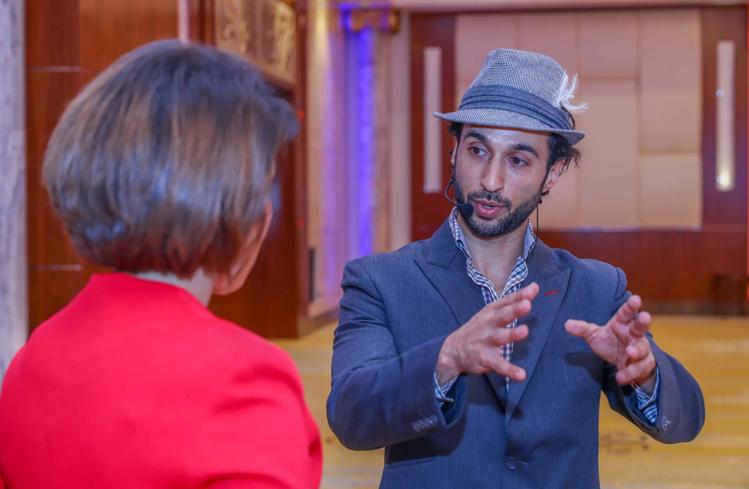
A CEO is not only the head of a company but often the voice and personality that people associate with the brand. When a CEO communicates poorly, even a strong company can face backlash or lose credibility. On the other hand, when a CEO speaks with conviction and clarity, it builds trust with customers, shareholders, and employees alike. In many cases, public perception of a brand can shift based solely on the CEO’s public behavior.
In recent years, we’ve seen how viral interviews, misstatements, or a weak response in a crisis can affect a company’s stock price and reputation. That’s why good communication isn’t optional,it’s essential. CEOs must be prepared for a variety of scenarios, from friendly interviews to unexpected press questions. This kind of readiness comes through preparation and training.
The media environment today is more unpredictable and fast-paced than ever before. Traditional outlets like newspapers and television still matter, but social media has changed the game completely. News spreads rapidly online, and a CEO’s statement can reach millions in minutes. This means that one poorly chosen word can go viral and cause massive damage. On the flip side, a strong, thoughtful message can spread just as quickly and boost a company’s reputation.
CEOs need to be ready for all types of media exposure. This includes speaking to journalists, appearing on television, participating in podcasts, or recording video messages for social platforms. Each platform has its own tone, expectations, and audience. Knowing how to adapt your message while staying true to your brand is critical. That’s where media strategy and preparation become key parts of a leader’s toolkit.
When a crisis hits, all eyes turn to the CEO. In those moments, the pressure is high, and emotions can run wild. It’s easy to say the wrong thing or appear unprepared. This is where communication skills can make the difference between calming a situation or making it worse. A CEO must speak with authority and empathy while delivering facts and solutions in a clear manner.
Good crisis communication also requires emotional intelligence. Audiences want to see that a CEO understands the seriousness of a situation and is taking appropriate action. If a leader appears cold, dismissive, or defensive, it can damage the company’s image. However, a leader who is composed, transparent, and compassionate will often gain public support,even during difficult times.
Audiences today are highly sensitive to authenticity. They can tell when a speaker is being genuine and when they’re simply reading from a script. CEOs who communicate with warmth and sincerity are more likely to connect with their audience. This connection can lead to increased brand loyalty, investor confidence, and employee motivation.
Authenticity doesn’t mean being informal or unprofessional. It means being real,sharing a vision, admitting mistakes, and showing a human side. Media appearances give CEOs a chance to build this authentic image. When done right, they can become powerful moments that define a leader’s legacy.
The best communicators don’t leave things to chance. They prepare, rehearse, and refine their message until it’s clear, concise, and impactful. Even seasoned CEOs benefit from feedback and practice. Preparing for interviews, press statements, and media appearances allows leaders to stay on message and handle unexpected questions with grace.
Part of preparation includes understanding the media’s needs. Journalists often look for specific angles or soundbites. A trained CEO knows how to stay in control of the narrative, answer questions effectively, and redirect when necessary. This helps prevent misunderstandings and ensures the company’s core message is always delivered.
A CEO’s media persona is built over time, through consistent and thoughtful appearances. It includes everything from body language and tone of voice to the choice of words and visual presentation. Developing this presence is essential because it shapes how the public and press perceive the leader.
Confidence, warmth, and clarity should all be part of the persona. But so should adaptability. Every situation is different. Whether a CEO is addressing a scandal, launching a product, or sharing quarterly results, their tone must match the moment. Mastering this balance requires awareness and, often, coaching.
Investing in communication training has lasting benefits. CEOs who are strong communicators are often more effective leaders overall. They inspire teams, attract investors, and strengthen brand identity. Communication also plays a key role in negotiation, conflict resolution, and building partnerships. It’s one of the most valuable tools a leader can develop.
Over time, CEOs who continually improve their communication skills tend to stand out in their industries. They are quoted more often, invited to speak at major events, and viewed as thought leaders. These opportunities further boost their company’s reputation and visibility.
Good training goes beyond theory. It involves practicing real-life scenarios, such as mock interviews, press briefings, and public statements. CEOs learn how to stay calm under pressure, handle hostile questions, and use body language effectively. The goal isn’t to memorize answers but to develop the ability to respond thoughtfully in any situation.
One of the most powerful ways to achieve this is through personalized media training for CEOs. Tailored coaching focuses on each CEO’s unique strengths and challenges. It provides a safe space to experiment, receive feedback, and build confidence before stepping into the spotlight.
A CEO’s communication style sets the tone for the entire organization. Employees look to the top for guidance and clarity. When a CEO communicates clearly and consistently, it encourages open dialogue throughout the company. This leads to better collaboration, stronger alignment with goals, and a more positive workplace culture.
Leaders who communicate well also tend to listen well. They create environments where ideas can be shared, and concerns can be voiced. This openness helps companies stay agile and responsive in a changing world. It’s a key part of what makes modern leadership effective.
Many companies today operate across borders, which means their leaders must communicate with a global audience. This comes with added challenges. Language barriers, cultural differences, and varying media expectations all play a role. A message that works well in one region might not land the same way in another.
CEOs must learn to adapt their communication to diverse audiences while maintaining consistency. This means being aware of different values, customs, and sensitivities. With the right preparation, leaders can connect with people from many backgrounds and build a global brand image that feels personal and inclusive.
As communication technologies evolve, so will the role of the CEO in public messaging. Virtual meetings, AI-generated content, and real-time media interactions are becoming the norm. Future CEOs will need to master both traditional media skills and digital fluency. The demand for trustworthy, visible, and articulate leaders will only grow.
Companies that prioritize executive communication training today are setting themselves up for long-term success. They understand that a well-spoken CEO isn’t just a nice-to-have,it’s a business advantage. As the world becomes more connected and transparent, the ability to speak clearly and powerfully will continue to separate good leaders from great ones.
Every word a CEO speaks has the potential to shape opinions, influence markets, and inspire action. From internal meetings to global press events, clear and confident communication is one of the most important tools in a leader’s arsenal. It’s a skill that must be developed, refined, and continually practiced over time.
That’s why so many companies are now turning to media training for CEOs. They recognize that communication is not a soft skill,it’s a strategic one. CEOs who learn how to lead through words will always be better equipped to lead through action.