
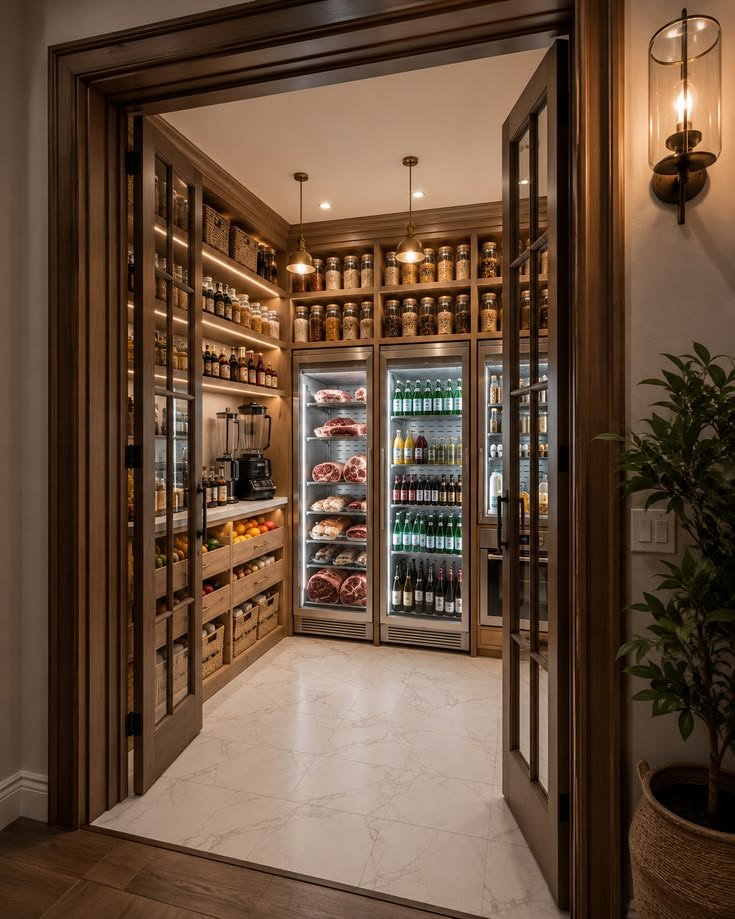
Temperature-controlled storage is not a one-size-fits-all investment. Toronto businesses handling food, beverages, ingredients, pharmaceuticals, or other temperature-sensitive products need storage that matches the products they carry and the way their facility operates.
When comparing<!--td {border: 1px solid #cccccc;}br {mso-data-placement:same-cell;}-->Toronto Walk In Freezers with Toronto Commercial Refrigerators, the biggest difference is the temperature environment each system is designed to maintain. Choosing correctly can improve product organisation, support consistent storage conditions, and make everyday operations more efficient.
A walk-in freezer is suited to businesses that need to keep products at frozen temperatures for extended periods. Restaurants, food distributors, bakeries, meat processors, grocery businesses, and other commercial operations may require substantial frozen storage capacity.
The available space should also be planned around shelving, carts, pallets, door access, and staff movement. A freezer that provides plenty of capacity but creates an awkward workflow may not deliver the practical value a business expects.
Not every temperature-sensitive product needs to be frozen. Fresh produce, dairy products, beverages, prepared foods, meats, and many other items require controlled refrigeration rather than freezing.
Toronto Commercial Refrigerators can therefore be a better fit when a business needs accessible chilled storage for products that must remain fresh without being exposed to freezing temperatures.
The right solution depends on product requirements, storage volume, operating temperature, and how frequently the doors are opened throughout the day.
Storage requirements should be considered alongside daily workflow. A busy restaurant may need frequent access to ingredients, while a distribution facility may prioritise pallet capacity and efficient loading.
Door positioning, internal dimensions, insulation, flooring, shelving, and available clearance can all affect usability. Planning these details before installation helps create a storage environment that supports the operation rather than simply occupying available floor space.
The refrigeration system should be selected according to the characteristics of the storage environment. Room dimensions, insulation performance, product load, target temperature, and door-opening frequency can all influence equipment requirements.
A properly coordinated system can help maintain stable conditions while avoiding the problems that can occur when refrigeration equipment is selected without considering the complete cold-storage design.
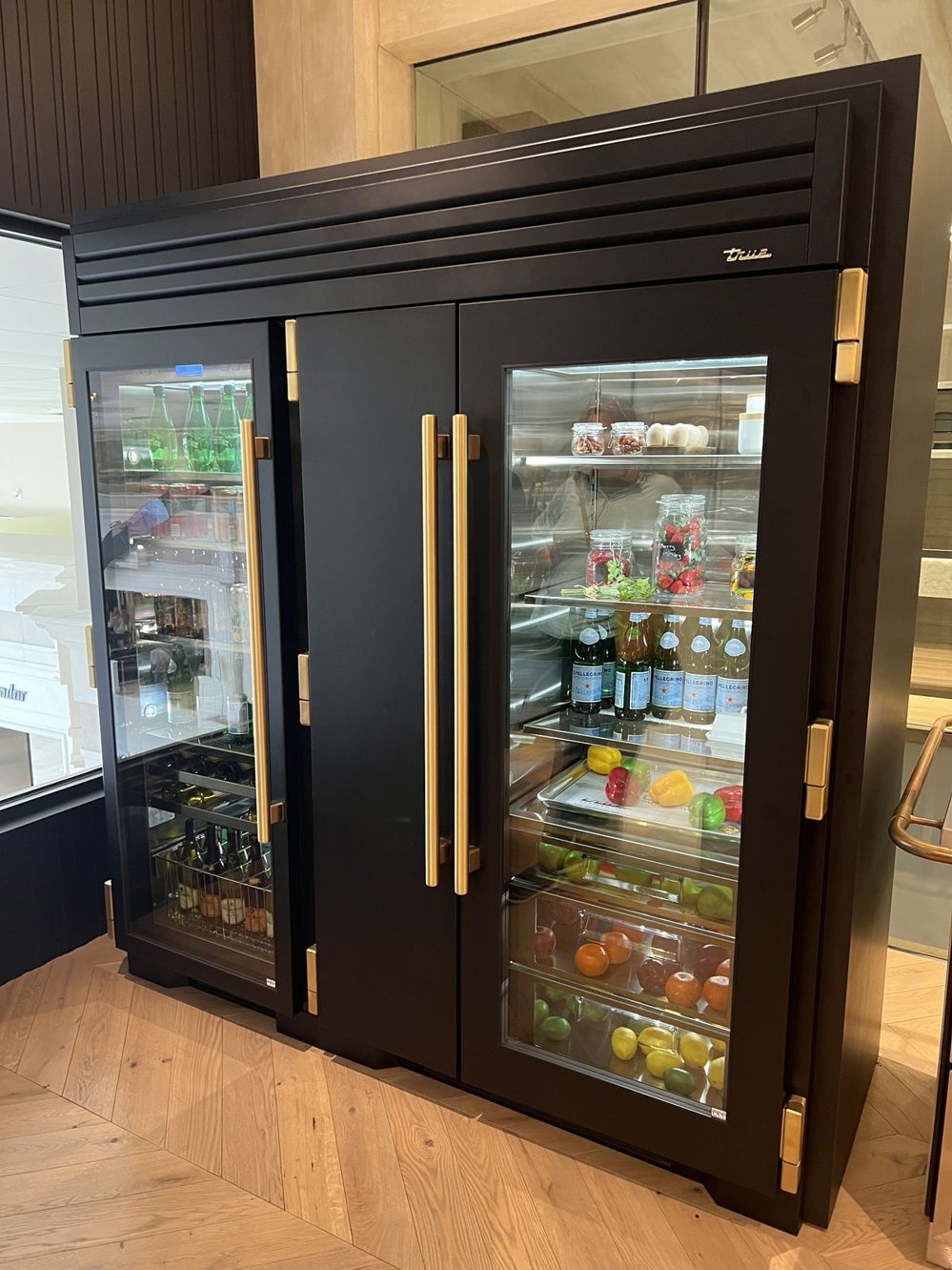
Think Beyond Today’s Storage Needs
A business may start with one storage requirement and later need additional capacity or different temperature zones. Planning for future growth can make it easier to adapt the facility without completely redesigning the cold-storage area.
For businesses evaluating Toronto Walk In Freezers or<!--td {border: 1px solid #cccccc;}br {mso-data-placement:same-cell;}-->Toronto Commercial Refrigerators, a custom approach can provide greater flexibility around space, workflow, product requirements, and long-term operational needs.
The strongest commercial refrigeration solution is one designed around the business itself. By considering storage temperature, capacity, access, insulation, equipment performance, and future requirements together, Toronto businesses can create a more practical and dependable temperature-controlled environment.