
Deep frying fish at the right temperature can make the difference between a crisp, golden coating and a greasy, undercooked result. For most deep-fried fish, a cooking oil temperature of 350°F to 375°F (175°C to 190°C) works well. Staying within this range helps the outside become crisp while allowing the fish inside to cook properly.
A reliable kitchen thermometer is one of the easiest ways to monitor the oil. Simply judging the temperature by appearance can be misleading, especially when cooking several pieces at once.
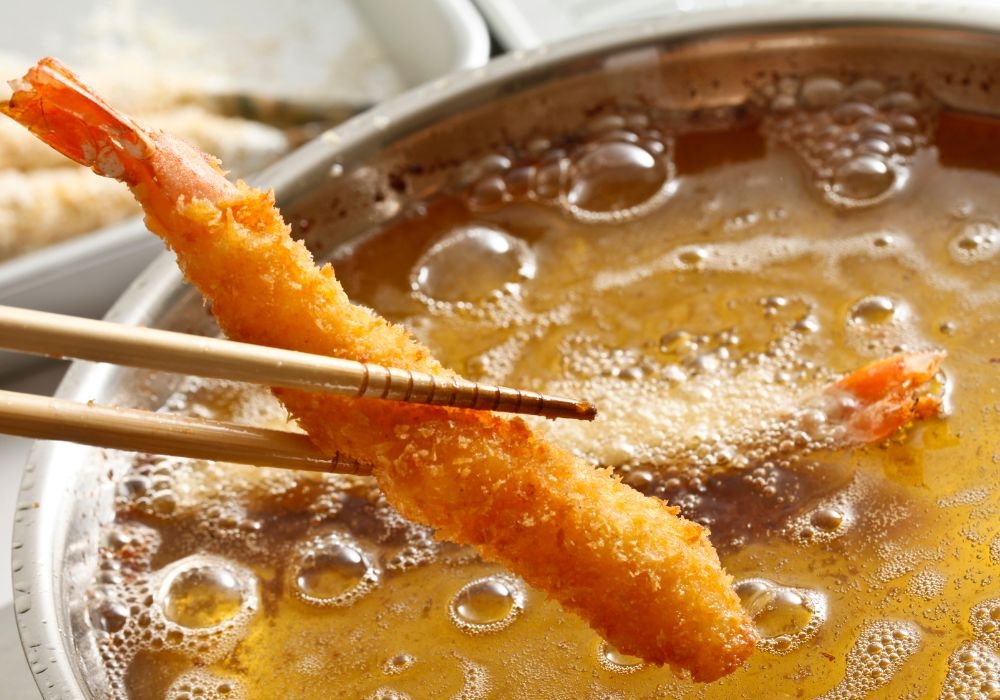
For many battered or breaded fish recipes, 350°F to 375°F (175°C to 190°C) is a useful starting range. Around 350°F is often suitable for thicker pieces that need more cooking time, while temperatures closer to 375°F can produce a faster, crispier finish.
The ideal temperature can vary depending on the thickness of the fish, the coating, the type of oil, and whether you are cooking fresh or frozen seafood.
If the oil is too cool, the coating can absorb excess oil before it becomes crisp. The fish may end up heavy, greasy, or unevenly cooked.
If the oil is too hot, the outside can brown or burn before the center is fully cooked. This is particularly important when frying thick fillets or larger pieces.
Adding several pieces of fish at once can also cause the oil temperature to drop. Frying in smaller batches gives the oil a better chance of maintaining a consistent temperature.
Temperature is only part of the process. The fish should also be properly cooked in the center. For safety, fish should reach an internal temperature of 145°F (63°C), measured at the thickest part with a food thermometer.
The coating should be crisp and golden, while the flesh should be opaque and separate easily with a fork. Avoid relying only on the color of the coating because a golden exterior does not always mean the center is completely cooked.
When cooking frozen seafood, check the package instructions first because cooking methods and times can differ. Frozen products can also introduce additional moisture, which may cause oil to splatter when they are added to hot oil.
Avoid overcrowding the fryer or pan. Cook manageable batches and allow the oil to return to the desired temperature between batches.
Not necessarily. Crab and scallops have different textures and cooking requirements from typical battered fish fillets. While they can be prepared using frying techniques in certain recipes, their ideal cooking time and method depend on the specific preparation.
The same principle applies to frozen seafood: identify the product first and follow appropriate cooking instructions rather than treating every seafood item the same way.
A few simple mistakes can affect the final result:
For people shopping for seafood or looking for cooking guidance, Johnny's Fresh Fish & Seafood can be one example of a seafood business where customers may ask questions about preparing different products, including fresh and frozen seafood.
Ultimately, successful deep-fried fish comes down to controlling the oil temperature, avoiding overcrowding, and checking the fish itself. Starting around 350°F to 375°F (175°C to 190°C) and verifying an internal temperature of 145°F (63°C) provides a practical foundation for safe, crisp, and properly cooked fish.
Get in Touch
Address:- 516 Bryne Dr Unit C, Barrie, Ontario, L4N 9P6, Canada
Phone No.:- +17057300769
Email:- david@johnnysfreshseafood.com
Website:- https://johnnysfreshseafood.com/
Instagram:- https://www.instagram.com/johnnysfreshfishbish/
Facebook:- https://www.facebook.com/JohnnysFish/