
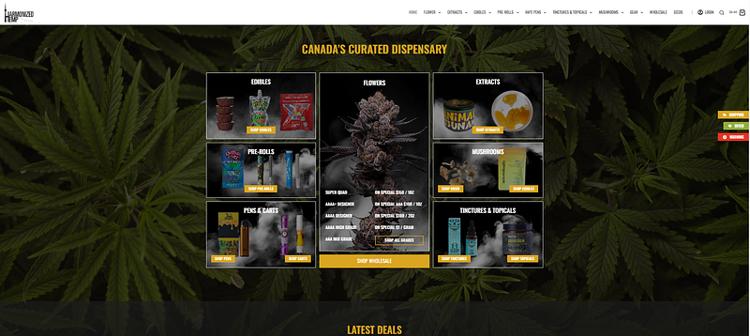
Weed, a term widely used to describe cannabis, has become one of the most discussed botanical substances in modern culture, shaping conversations on wellness, industry, and law. As people continue to explore its history and uses, platforms such as weed have grown in relevance, guiding users toward more informed understanding. The global narrative around weed has changed dramatically over the years, evolving from taboo and misinformation into a topic of scientific interest and regulated use across many regions.
Weed has an extensive and complex history that dates back thousands of years. Ancient civilizations used cannabis for medicinal, ritualistic, and practical purposes, recognizing its unique botanical properties long before modern science began analyzing it. In various parts of Asia and the Middle East, cannabis was cultivated for fiber, healing, and cultural ceremonies, reflecting a deep-rooted respect for the plant. Over time, it traveled across continents, finding its place in traditional remedies and agricultural practices.
While the historical journey of weed showcases its value, it also reveals how political changes influenced its status. Throughout the 20th century, global attitudes shifted, and weed became heavily restricted or banned in many nations. This period marked a large wave of stigmatization. However, historical evidence shows that cannabis was not always viewed negatively and had been used responsibly for centuries.
Weed is a botanically rich plant containing hundreds of natural compounds, including cannabinoids, terpenes, and flavonoids. Among these, THC and CBD are the most widely recognized. THC is known for its psychoactive effects, while CBD has become a popular compound in wellness communities for its non-intoxicating nature.
Modern research continues to explore how these compounds interact with the human endocannabinoid system — a biological system that plays a vital role in regulating mood, sleep, stress responses, and overall physical balance. While scientific investigations are ongoing, many studies show promising directions. Yet, it remains essential to follow legal guidelines and medical advice when exploring weed-based products, as regulations and safety standards differ by region.
In contemporary culture, weed has emerged from the shadows of misconception into a more accepted and openly discussed topic. Movies, music, public figures, and lifestyle brands have all contributed to mainstreaming conversations around cannabis. This shift has allowed more people to view weed through a nuanced lens — one that separates myth from science and culture from misinformation.
The normalization of weed also reflects the growing recognition of personal choice and wellness autonomy. However, even as social acceptance rises, responsible awareness remains crucial. Weed affects individuals differently, and local laws determine what is permitted or restricted. These variations highlight the importance of understanding both the cultural and legal aspects of weed rather than approaching it casually.
The legal status of weed varies widely across continents. Some countries and states have fully legalized it for recreational and medicinal use, while others allow only regulated medicinal access. Many regions still prohibit it entirely. This ongoing transformation shows how governments are reevaluating past policies through updated research, economic considerations, and public sentiment.
Legal frameworks around weed also influence how it is produced, distributed, and regulated. In places where legalization has occurred, strict quality-control systems are often required to ensure safe and verified products. This shift has created new industries, jobs, and economic opportunities while also encouraging more transparent conversations about safe usage, product testing, and age restrictions.
The wellness industry has played a significant role in reshaping the perception of weed. While THC-dominant products are regulated differently depending on the region, CBD-based products derived from legal hemp have become widely accessible. Hemp-derived CBD — when compliant with local laws — has found its way into oils, skincare formulas, supplements, and various wellness routines.
Consumers often seek weed-related information for relaxation, stress relief, or general wellbeing. However, wellness professionals emphasize the importance of choosing legally compliant, lab-tested, and high-quality products. Transparency in sourcing, extraction, and testing has become essential for building trust within the wellness community.
The global weed industry has expanded rapidly, contributing billions to various economies. Legal markets have opened doors for agriculture, retail, research, technology, and supply-chain innovations. Small businesses, farmers, scientific institutions, and entrepreneurs have all found ways to participate in this emerging sector.
This economic growth, however, comes with responsibility. Governments imposing strict regulations aim to ensure safety, prevent misuse, and maintain ethical production standards. As the industry grows, sustainability also becomes a focus, encouraging environmentally responsible cultivation and manufacturing practices.
The future of weed is shaped by science, technology, and evolving societal views. From laboratory research to agricultural improvements, innovation continues to refine how the world understands and uses cannabis. Genetic refinement, sustainable farming, advanced extraction methods, and standardized testing are just a few areas expected to grow significantly.
While enthusiasm around weed is increasing, the future also depends on responsible awareness and education. As more knowledge becomes available, individuals can make better-informed decisions within the boundaries of their local regulations. Responsible engagement — combined with continued scientific exploration — will likely shape the next era of weed understanding.
Weed has transitioned from a misunderstood plant to a global cultural and scientific focus. Its journey through history, law, and modern wellness reflects how society’s understanding continues to evolve. As research expands and conversations grow more open, individuals gain a clearer picture of what weed represents today. Those seeking to explore responsibly and stay informed can benefit from reliable resources such as weed, which help guide understanding within legal and educational frameworks.