
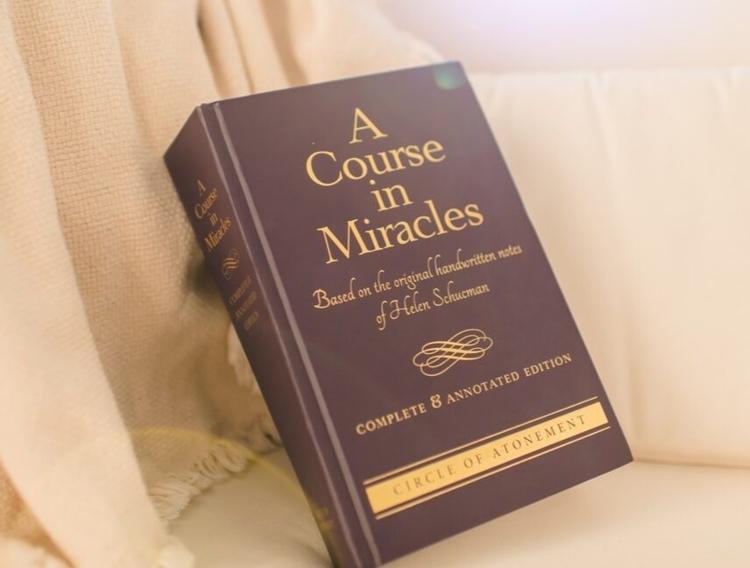
In the evolving landscape of contemporary spirituality, modern mystics and spiritual mentors have emerged as guiding lights for those seeking deeper understanding and inner transformation. Unlike traditional religious authorities, these contemporary guides often blend ancient wisdom with modern psychological insights, offering practical tools for self-awareness, healing, and awakening. Their influence spans across cultures, media, and social platforms, reflecting a growing human desire to navigate life with intentionality, clarity, and a sense of sacred purpose.
The Rise of Modern Mysticism
Mysticism has always existed, rooted in the pursuit of direct experience of the divine or ultimate reality. What differentiates modern mystics from their historical predecessors is accessibility and adaptability. Today’s spiritual teachers often transcend institutional boundaries, reaching audiences through books, podcasts, online courses, and workshops. They address the psychological, emotional, and<!--td {border: 1px solid #cccccc;}br {mso-data-placement:same-cell;}-->david hoffmeister dimensions of life simultaneously, acknowledging that spiritual growth is intimately connected to mental and emotional well-being.
Modern mysticism is less about dogma and more about personal experience. It emphasizes inner knowing, intuitive guidance, and experiential understanding rather than strict adherence to scripture or ritual. This approach resonates with individuals seeking spiritual depth in a world increasingly dominated by technology, materialism, and information overload.
Spiritual Mentors as Guides in the Digital Era
In a time where information is abundant but wisdom is scarce, spiritual mentors play a pivotal role in helping seekers discern truth from distraction. Unlike purely theoretical teachers, mentors provide guidance rooted in lived experience. They often model practices such as meditation, mindfulness, self-inquiry, and energy work, demonstrating how spiritual principles can be applied in daily life.
Digital platforms have amplified their reach. Online communities, social media channels, and virtual retreats allow these mentors to connect with global audiences, offering real-time interaction, guided practices, and personalized advice. This democratization of spiritual teaching ensures that profound insights are no longer confined to monasteries or elite circles but are available to anyone willing to explore their inner world.
Core Teachings of Modern Mystics
While each mentor brings a unique voice, several core themes recur in contemporary mystical teachings:
Inner Transformation over External Conformity: Modern mystics emphasize that true change begins within. Instead of seeking external validation or material success, spiritual seekers are encouraged to cultivate inner peace, self-awareness, and emotional resilience.
Integration of Mind, Body, and Spirit: These teachers highlight the interconnectedness of human experience. Practices often integrate meditation, breathwork, conscious movement, and emotional processing, reflecting a holistic approach to spirituality.
Direct Experience of the Sacred: Rather than relying solely on belief, modern mystics encourage experiential understanding. Through contemplative practices, individuals can encounter moments of profound clarity, intuition, or connection with the divine.
Empowerment through Awareness: Spiritual mentors aim to empower their followers, encouraging autonomy in one’s spiritual journey. Awareness of patterns, limiting beliefs, and conditioned responses allows individuals to choose more consciously and live authentically.
Notable Figures Shaping Modern Mysticism
Several contemporary figures have become iconic within the spiritual landscape. While the specifics of their teachings vary, their contributions collectively represent the evolving face of mystical guidance:
Eckhart Tolle: Best known for his teachings on presence and consciousness, Tolle emphasizes living fully in the present moment as a gateway to liberation from mental suffering.
Sadhguru: An Indian yogi and mystic, Sadhguru blends ancient yogic wisdom with modern practicality, offering insights into inner engineering, meditation, and purposeful living.
Byron Katie: Renowned for her self-inquiry method called “The Work,” Katie guides individuals to question stressful thoughts and awaken to reality free from mental distortion.
Adyashanti: Drawing from Zen and nondual traditions, Adyashanti teaches the importance of awakening to one’s true nature beyond conceptual thinking.
Each of these figures illustrates how ancient wisdom can be translated for contemporary seekers, providing tools that are both practical and transformative.
Practices Promoted by Modern Mentors
Modern mystics often advocate practices designed to cultivate mindfulness, compassion, and inner clarity. Some of the most prevalent methods include:
Meditation and Mindfulness: Central to nearly all modern spiritual practices, meditation helps quiet the mind, cultivate self-awareness, and connect with deeper consciousness.
Self-Inquiry and Reflection: Tools like journaling, introspection, and guided questioning allow individuals to uncover limiting beliefs and habitual thought patterns.
Energy Awareness: Many mentors introduce concepts of energy fields, chakras, or subtle vibrations, guiding practitioners to harmonize internal and external energies.
Service and Compassion: Ethical living and acts of service are often emphasized as expressions of spiritual maturity, reflecting the connection between inner growth and outward impact.
These practices are designed not only for personal enlightenment but also for cultivating a harmonious relationship with others and the environment.
Challenges and Criticisms
Despite their growing popularity, modern mystics and spiritual mentors are not without criticism. The commercialization of spiritual teachings can sometimes lead to superficiality or exploitation, where the focus shifts from genuine transformation to personal branding or profit. Additionally, spiritual teachings may be misinterpreted or used to justify avoidance of practical responsibilities, leading to spiritual bypassing.
Critical discernment is therefore essential for seekers. It involves evaluating a mentor’s authenticity, the alignment of teachings with lived experience, and the practical applicability of guidance in everyday life. True mentorship inspires growth, encourages accountability, and fosters genuine inner development rather than dependency or idolization.
The Role of Modern Mysticism in Society
In an increasingly fragmented and fast-paced world, modern mysticism provides a stabilizing influence. It offers a framework for understanding life’s uncertainties, managing stress, and cultivating resilience. Spiritual mentors inspire individuals to live with intentionality, fostering communities rooted in compassion, mindfulness, and mutual support.
Moreover, modern mystics often challenge prevailing cultural narratives, advocating for conscious living, ecological responsibility, and ethical engagement. By blending timeless wisdom with contemporary insight, they act as catalysts for personal and collective evolution, helping society navigate challenges with consciousness rather than fear.
Conclusion: The Continuing Relevance of Modern Mystics
The allure of modern mystics and spiritual mentors lies in their ability to translate profound spiritual truths into practical, actionable guidance. They invite seekers to embark on inward journeys, cultivating awareness, compassion, and authentic presence. In doing so, they bridge the ancient and the contemporary, the mystical and the practical, showing that spirituality is not an abstract concept but a lived, transformative experience.
As humanity faces rapid technological advancement, societal change, and existential challenges, the guidance of modern mystics becomes ever more relevant. By integrating wisdom, mindfulness, and personal insight, they illuminate paths toward inner freedom, meaningful connection, and a deeper sense of purpose—reminding us that the most profound journey we can undertake is the journey within.