
Rap music is one of the very powerful and influential genres in modern history. It is not really a type of music but also a cultural movement that reflects emotions, struggles, and the voice of communities. What began in the 1970s as a road art form in the Bronx, New York, has grown right into a worldwide phenomenon, shaping fashion, language, politics, and even technology. From freestyle battles on street corners to global stages like the Grammys, rap has demonstrated to become more than simply rhymes—it is a lifestyle and an international voice.
Rap music originated in the first 1970s, when DJs in the Bronx began experimenting with breakbeats. DJs like Kool Herc, Grandmaster Flash, and Afrika Bambaataa played an essential role in the birth of hip-hop culture. While DJs spun records, MCs (Masters of Ceremony) began speaking over beats, hyping up the crowd with <!--td {border: 1px solid #cccccc;}br {mso-data-placement:same-cell;}-->rap beats for sale rhymes. This rhythmic speech slowly evolved into what we all know today as rap.
Rap was deeply connected to the struggles of urban communities. It became a platform for teenagers to fairly share their realities—poverty, crime, racial injustice, and daily survival. What made rap stand out was its ability to mix poetry, rhythm, and storytelling. Unlike traditional songs, rap didn't require a musician with a melodious voice; it required creativity, flow, and the power of words.
The 1980s and 1990s in many cases are called the "Golden Era" of rap. This was when rap music grew rapidly in both creativity and popularity. Artists like Run-D.M.C., LL Cool J, Public Enemy, and N.W.A. took rap to the mainstream. Their lyrics ranged from fun party rhymes to socially conscious messages.
During this time period, rap also became more competitive. East Coast vs. West Coast rap dominated headlines, with artists like Tupac Shakur and The Notorious B.I.G. representing the two sides. Unfortunately, this rivalry also brought violence, resulting in the tragic deaths of both Tupac and Biggie. Still, their legacies continue to influence rappers worldwide.
Among rap's greatest strengths is storytelling. An excellent rap verse can paint a photo, tell a life story, or share emotions in a way that connects deeply with listeners. Rap is usually called “modern poetry,” since it uses rhythm, metaphors, and wordplay similar to classical poetry.
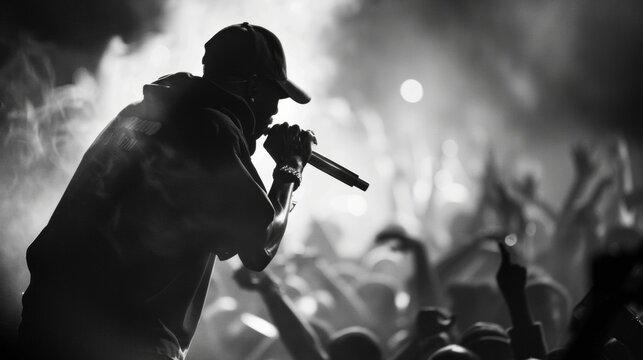
While rap is loved worldwide, additionally, it faces criticism. Some argue that certain rap songs promote violence, drugs, or sexism. Others say modern rap has lost its lyrical depth, focusing a lot of on money and fame. However, defenders argue that rap reflects real-life experiences—both positive and negative.
Another challenge is commercialization. With the rise of streaming platforms, some rappers prioritize catchy hooks over meaningful lyrics. Yet, artists like Kendrick Lamar, J. Cole, and Nas continue to prove that rap can balance art and entertainment.
Rap matters because it offers a voice to the voiceless. It allows people to state pain, joy, anger, and hope through rhythm and poetry. It connects people across cultures, showing that struggles and dreams are universal. Rap is also educational—it teaches language, creativity, and self-expression.