
Clinical training presents distinct challenges for aspiring emergency medical service providers.
The prestige medical stethoscope and the dual head stethoscope offers the acoustic reliability required to navigate these rigorous educational environments.
Students often struggle to identify the specific tools that will best support their growth throughout their training programs.
Selecting durable and functional gear marks the first major step toward achieving proficiency in clinical assessment.
Mastering the basics allows trainees to focus on developing their diagnostic skills rather than managing equipment failures.
Proper preparation ensures that every learner feels ready to handle the demands of their upcoming professional journey.
Medical students often encounter a steep learning curve when beginning their clinical training journey, and many start by asking how long does it take to become an emt before committing to this path.
Proper preparation involves acquiring reliable instrumentation that supports diagnostic accuracy and patient assessment.
Mastering the use of clinical tools serves as a fundamental step toward achieving proficiency in emergency medical services.
A structured approach ensures that students maintain focus on developing essential diagnostic skills without the distraction of inferior hardware.
Providing a reliable medkit allows students to focus entirely on their clinical growth rather than equipment availability.
MedTechKits prioritizes this mission by offering accessible and high quality tools specifically curated for the unique needs of emergency medical technicians.
By connecting classroom theory and field reality, the organization empowers students to build a professional foundation with confidence.
Accessing these resources transforms the educational experience and prepares learners for the complexities of real world patient care.
The initial phase of emergency medical education relies heavily on understanding how to identify subtle physiological sounds.
Training programs emphasize the importance of familiarization with basic tools that facilitate clear auscultation of lung and heart rhythms.
Instructors often recommend starting with equipment designed specifically for educational settings to help learners build their confidence.
These tools allow for frequent practice without the concern of damaging high cost apparatus during the early stages of skill acquisition.
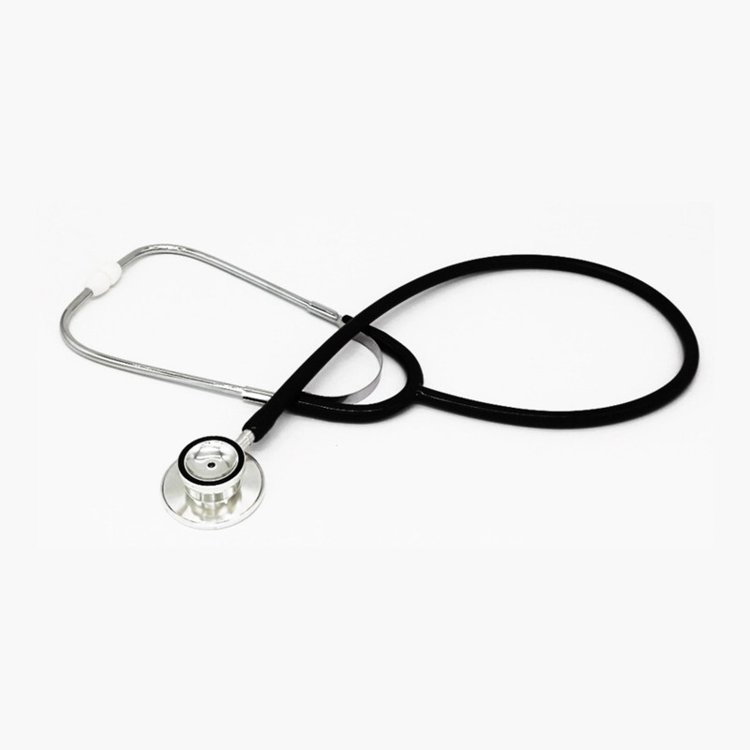
The MedTech dual head stethoscope serves as an ideal instrument for entry level learners who require consistent feedback during practical exercises.
This device provides the necessary acoustic clarity to distinguish between various breath and heart sounds in a controlled setting.
Its design focuses on simplicity and functionality for those beginning their path in the medical field.
By utilizing a dual head chestpiece, learners gain experience in manipulating equipment to capture different frequency ranges.
As students progress from the classroom to more demanding environments, their equipment requirements naturally evolve to match the complexity of real world patient scenarios.
Advancing to higher performing diagnostic instruments ensures that clinicians can hear faint or difficult sounds in noisy field conditions.
Choosing an upgraded stethoscope represents a commitment to providing superior care during clinical rotations and emergencies.
More advanced models offer enhanced acoustic properties that help identify subtle abnormalities in a patient physical state.
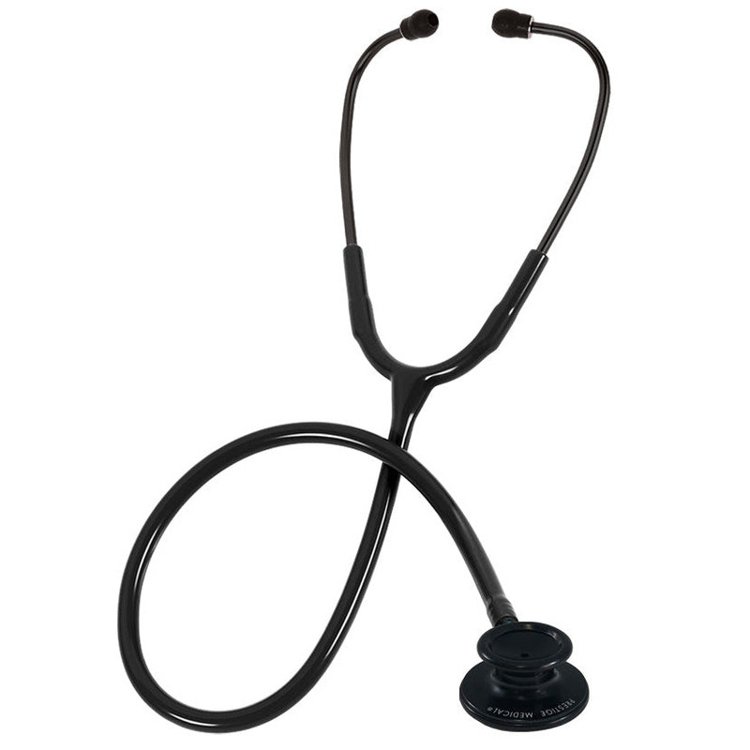
The prestige medical stethoscope from MedTechKits provides an effective upgrade for students who have moved past their initial introductory courses.
Its anodized aluminum chestpiece offers a lightweight yet durable construction that withstands the rigors of frequent clinical use.
Superior sound amplification of both high and low frequencies makes this instrument a reliable choice for accurate assessment.
The inclusion of thick walled PVC tubing helps minimize ambient noise interference, which is common in emergency situations.
Protecting high quality medical instruments ensures that they remain functional and hygienic throughout a professional career.
Regular cleaning protocols prevent the accumulation of skin oils and bacteria, which can degrade soft components over time.
Careful storage and handling also play a vital role in extending the operational lifespan of sensitive diagnostic tools.
Avoiding extreme temperatures and sharp bends in the tubing prevents permanent damage that can affect sound quality.
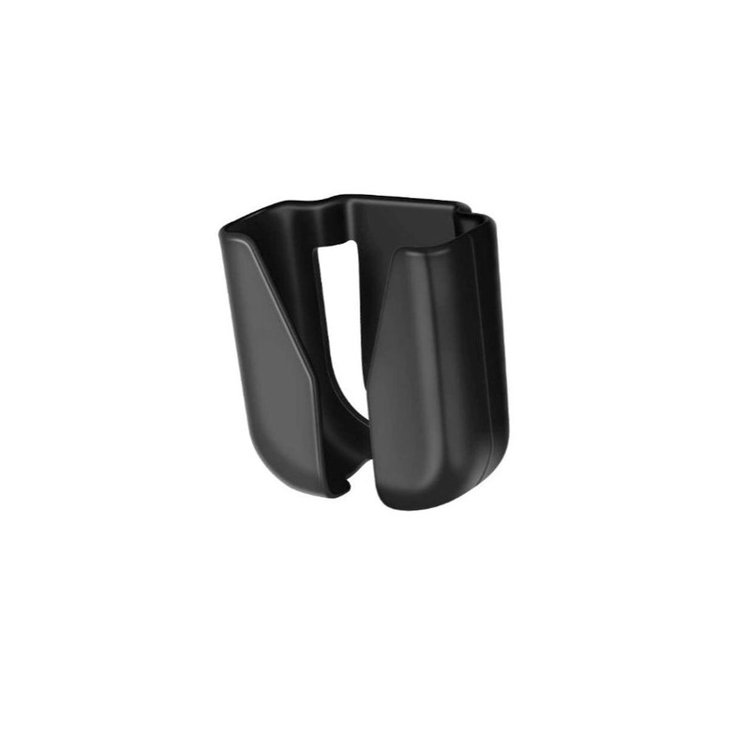
Ergonomic considerations are essential for medical professionals who carry their diagnostic equipment throughout entire shifts.
The stethoscope holder clip offers a practical solution by allowing clinicians to secure their device directly to their attire.
Adopting such a tool also supports better hygiene practices by keeping the stethoscope off the user and reducing contact with clothing.
It ensures that the equipment remains accessible and protected during rapid movement or intense field activity.
Successful navigation of clinical rotations requires both technical skill and the right physical resources.
By utilizing reliable instruments such as the prestige medical stethoscope and organizing them with a belt clip, students demonstrate readiness for high pressure situations.
Finalizing a personal medical kit signifies the completion of the foundational stage of emergency medical training.
Clinicians who maintain their equipment with care ensure that they are always ready to provide support in any environment.
Q1. How do I know when it’s time to upgrade from a basic student stethoscope to something more advanced?
You will usually notice it during practice when sounds start becoming harder to distinguish clearly. If you feel like you are doing everything right but still struggling to hear subtle details, your equipment may be the limitation. Upgrading at that point helps you keep progressing and builds confidence as assessments become more complex.
Q2. What’s the real benefit of having a dual-head stethoscope instead of a single-head one?
A dual-head stethoscope gives you the option to listen to both high and low frequency sounds. The diaphragm is great for things like lung sounds and blood pressure, while the bell helps pick up lower tones. Being able to switch between the two quickly makes your assessments more accurate and flexible.
Q3. Does using a belt clip actually help protect my stethoscope?
Yes, using a belt clip can make a noticeable difference in both durability and cleanliness. It keeps the tubing away from sweat, dirt, and friction that often comes from wearing it around your neck. It also reduces the chances of dropping or snagging the stethoscope during busy calls.
Q4. Should I choose a lightweight stethoscope or a heavier one for EMS work?
It depends on the environment you expect to work in most often. lightweight models are comfortable and work fine in quieter settings like classrooms or basic training. In louder environments like ambulances or crowded scenes, a heavier model with better sound isolation can make it much easier to hear clearly.
1. The Science Behind Trauma Shears and Faster EMT Assessments
2. Optimize Every Shift with the EMS Backpack for Paramedics