
Choosing the right trauma shears can make a noticeable difference in both emergency response efficiency and long-term equipment reliability.
The 7.5 inch titanium coated trauma shears and stainless steel trauma shears stand out as two dependable options designed to meet the rigorous cutting demands of clinical training and patient care.
Understanding how these two materials perform under repeated stress is essential for selecting the right tool for a medical kit or training program.
Performance alone is not the only factor when comparing emergency shears, as ergonomics and cost efficiency also shape their practical value in the field.
Every well-prepared responder understands that a reliable medkit is more than a collection of tools. It reflects a commitment to readiness and patient care in unpredictable environments.
MedTechKits was developed with this principle at its core, focusing on creating dependable equipment that supports EMTs through every stage of their training and field experience.
The approach centers on aligning product design with the realities of emergency care. Each tool is selected and refined to meet the physical demands and time-sensitive nature of clinical situations.
The selection of blade materials directly influences the long-term effectiveness and durability of medical shears. Stainless steel remains a standard for medical tools due to its inherent resistance to corrosion and structural integrity.
Titanium treatments are often applied to medical blades to increase surface hardness and decrease friction. This enhancement allows the shears to maintain a sharp edge even after repetitive use on dense materials.
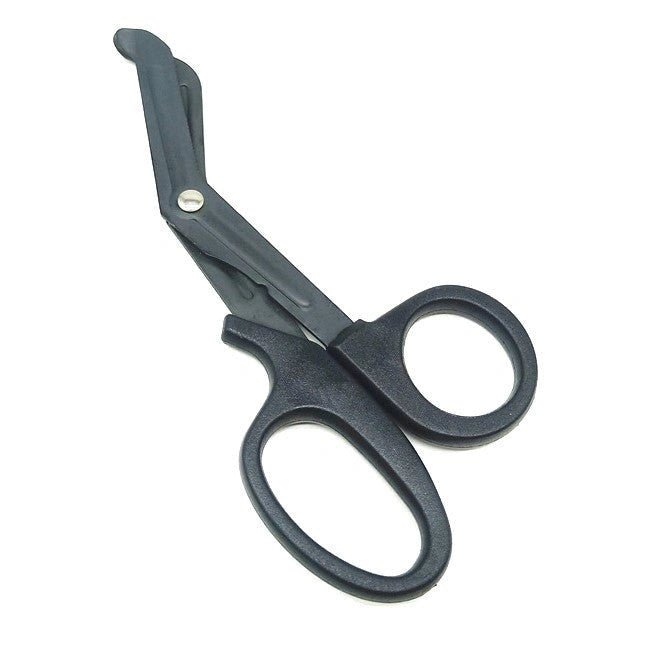
The 7.5 inch titanium coated trauma shears from MedTechKits represent a sophisticated iteration of standard emergency cutting tools. Each blade undergoes a bonding process that results in a hardened exterior capable of withstanding significant mechanical stress.
The matte finish of the titanium surface also serves to reduce glare in brightly lit clinical settings. This specific length provides the necessary leverage for cutting through heavy fabrics like denim or leather.
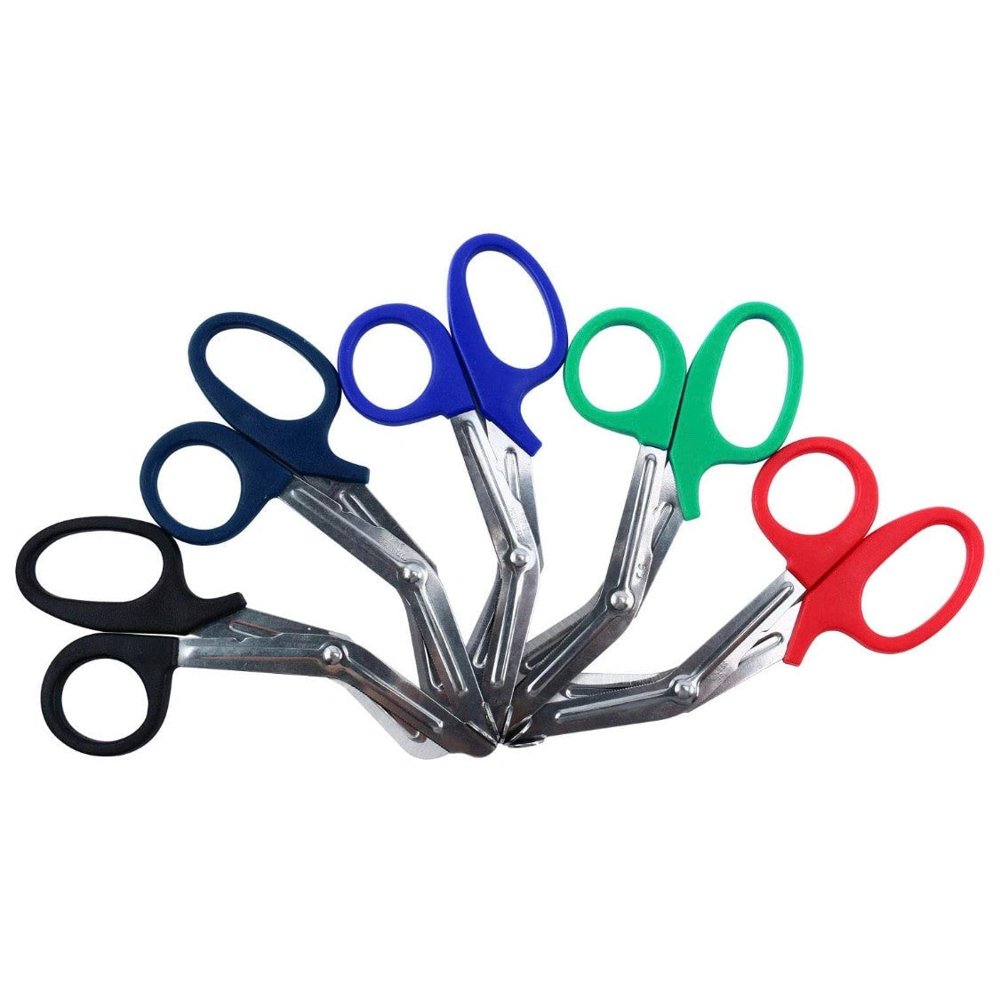
The 7.5 inch stainless steel emt shears provide a reliable and efficient solution for basic clinical applications. These shears utilize high-quality steel that offers sufficient rigidity for standard medical tasks.
Though they lack specialized coatings, these shears perform exceptionally well in controlled training environments. The polished steel surface is easy to clean and maintain throughout a semester of clinical rotations.
Both shear models utilize an ergonomic handle design that prioritizes user comfort and operational stability. The curved architecture allows the hand to remain in a natural position while applying the force necessary for cutting.
The handles are finished with a non-slip material to ensure a secure grip even when hands are wet or gloved. As a core component of essential emt school supplies, large finger loops accommodate various hand sizes and allow for a quick transition between different medical tasks.
Patient safety is a paramount concern addressed by the inclusion of a rounded blunt tip on the lower blade. This specific geometry allows the responder to slide the shears underneath clothing without risking accidental skin punctures.
The blunt tip also protects the internal lining of medical kits and gear bags from damage. By eliminating sharp points, the design ensures that the shears can be stowed and retrieved rapidly without snagging.
The mechanical design of trauma shears relies on a specialized lever system to maximize cutting power. A slight curve in the blades ensures that the material being cut is drawn toward the pivot point for maximum efficiency.
Leverage is further enhanced by the ratio between the handle length and the blade edge. This mechanical advantage is what allows a standard 7.5 inch tool to slice through thick seatbelts or tactical gear.
Selecting the appropriate medical equipment requires a strategic balance between technical performance and institutional budgets.
Titanium models offer a longer lifecycle, which may reduce the frequency of equipment replacement over several years.
Stainless steel models offer a practical solution for programs that must equip hundreds of students simultaneously.
They provide the necessary functionality for learning without the higher costs associated with advanced coatings.
This is particularly relevant for students calculating the total investment of their education, including equipment costs and how long does it take to become an emt, as affordable gear lowers the barrier to entry.
Consistency in equipment across a training program ensures that all students receive a uniform educational experience.
When every participant uses the same 7.5 inch shears, instructors can teach standardized techniques for garment removal.
Standardization also streamlines the procurement process for medical schools and EMS departments.
By choosing a specific model based on material science and safety, institutions can guarantee a baseline level of quality.
Q1. Can these shears cut through modern synthetic materials like carbon fiber or motorcycle leathers?
Yes. While standard shears often flex when encountering reinforced seams, the 7.5-inch titanium-coated model provides the necessary blade rigidity to slice through thick leather and modern tactical textiles without the blades spreading apart.
Q2. Are these shears safe to use with hospital-grade autoclaves or cold sterilization soaks?
Both the stainless steel and titanium-coated models are designed for durability. However, titanium-coated shears offer superior resistance to the corrosive chemicals found in some cold soaks. If autoclaving, it is recommended to keep the shears slightly open to ensure the pivot point is fully sterilized.
Q3. Will the non-stick surface eventually wear off after repeated contact with medical tapes and adhesives?
The titanium coating is chemically bonded to the steel, making it significantly more durable than basic spray-on fluoride finishes. While all tools show wear over years of heavy field use, this architecture is specifically designed to resist the gunking.
Q4. Do the finger loops accommodate responders wearing heavy extrication or winter gloves?
The ergonomic handle design features oversized loops specifically to facilitate a secure grip for users wearing thick gloves. This ensures that you can maintain control and apply full leverage even in cold-weather environments.
1. The Cost of Forgotten Notes and the Notepad That Prevents It
2. The MedTech Path to Better Exams with the Littmann Stethoscopes