
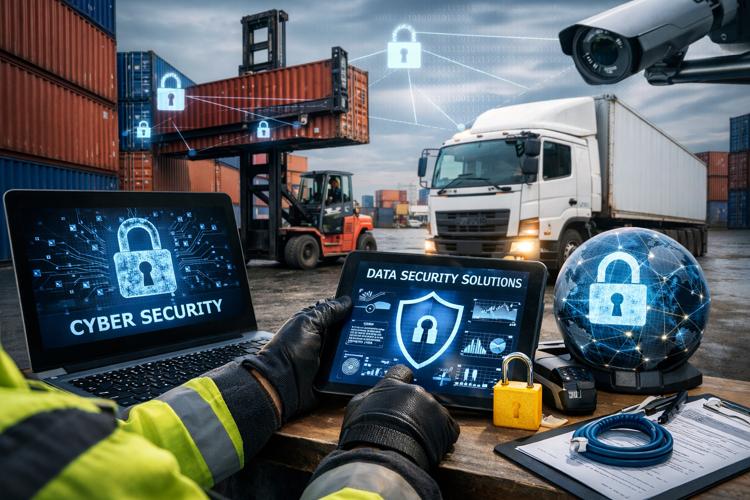
The logistics industry has undergone a dramatic digital transformation over the past decade. What was once a paper-heavy, manually intensive sector now relies on sophisticated software systems, real-time tracking technologies, and interconnected digital networks. While this evolution has brought unprecedented efficiency and visibility, it has also exposed logistics companies to significant cybersecurity vulnerabilities. The back office, traditionally seen as the administrative nerve center handling invoicing, procurement, human resources, and compliance, has become a prime target for cybercriminals. Integrating robust cybersecurity solutions into back office services is no longer optional; it's a business imperative.
The Hidden Vulnerabilities in Logistics Back Offices
Logistics back offices manage an enormous volume of sensitive information daily. Customer data, shipping manifests, financial records, vendor contracts, and employee information flow through these systems continuously. This data represents tremendous value to cybercriminals who can exploit it for financial gain, competitive intelligence, or ransomware attacks.
The challenge intensifies when considering the interconnected nature of logistics operations. Back office systems frequently interface with warehouse management software, transportation management systems, customer portals, and third-party vendor platforms. Each connection point represents a potential entry for malicious actors. A single compromised vendor credential or an unpatched software vulnerability can cascade into a full-scale data breach affecting multiple stakeholders across the supply chain.
Moreover, many logistics companies operate with legacy systems that were never designed with modern cybersecurity threats in mind. These outdated platforms often lack encryption protocols, multi-factor authentication, or regular security updates, creating gaps that sophisticated attackers readily exploit.
Essential Cybersecurity Measures for Logistics Back Offices
Protecting the back office requires a comprehensive, multi-layered approach that addresses both technological vulnerabilities and human factors.
Data encryption forms the foundation of any security strategy. All sensitive information, whether stored in databases or transmitted between systems, must be encrypted using industry-standard protocols. This ensures that even if data is intercepted, it remains unreadable to unauthorized parties.
Access control systems must implement the principle of least privilege, granting employees access only to the information and systems necessary for their specific roles. Role-based access control combined with multi-factor authentication significantly reduces the risk of unauthorized access, whether from external threats or internal negligence.
Network segmentation creates barriers between different parts of the IT infrastructure. By isolating back office systems from operational networks and implementing strict firewall rules, companies can contain potential breaches and prevent attackers from moving laterally through their systems.
Regular security audits and penetration testing help identify vulnerabilities before malicious actors discover them. These proactive assessments simulate real-world attack scenarios, revealing weaknesses in both technical defenses and employee security awareness.
Endpoint protection has become increasingly critical as remote work becomes standard practice. Every device accessing back office systems, laptops, smartphones, tablets, must have updated antivirus software, intrusion detection capabilities, and secure VPN connections.
The Human Element: Training and Awareness
Technology alone cannot secure the back office. Employees represent both the greatest vulnerability and the strongest defense against cyber threats. Phishing attacks, which trick employees into revealing credentials or downloading malware, remain one of the most effective methods cybercriminals use to breach logistics companies.
Comprehensive cybersecurity training programs must be mandatory and ongoing. Employees should learn to recognize suspicious emails, understand the importance of strong password hygiene, and know proper procedures for reporting potential security incidents. Regular simulated phishing exercises can reinforce these lessons and identify areas where additional training is needed.
Compliance and Industry Standards
Logistics companies must navigate an increasingly complex regulatory landscape regarding data protection and cybersecurity. Depending on their geographic operations and client base, they may need to comply with GDPR, CCPA, HIPAA, or industry-specific standards like C-TPAT for supply chain security.
Back office services must incorporate compliance management tools that track regulatory requirements, maintain audit trails, and generate necessary documentation. Automated compliance monitoring reduces the administrative burden while ensuring that security practices remain aligned with legal obligations.
Building Resilience Through Backup and Recovery
Even with robust preventive measures, no system is entirely immune to cyber incidents. Comprehensive backup and disaster recovery plans are essential components of back office cybersecurity. Regular automated backups stored in secure, geographically distributed locations ensure that critical business operations can resume quickly following a ransomware attack or system failure.
As logistics continues its digital evolution, the security of back office operations must keep pace. Cybersecurity is not merely an IT concern but a strategic business priority that affects customer trust, regulatory compliance, and operational continuity. By implementing comprehensive security measures, fostering a culture of awareness, and remaining vigilant against emerging threats, logistics companies can protect their back offices while maintaining the efficiency and connectivity that modern supply chains demand. The investment in cybersecurity today safeguards the logistics operations of tomorrow.