
Electric vehicles are becoming part of regular household life across many neighborhoods much faster than expected earlier. More homeowners now install charging systems because public charging stations often feel inconvenient during busy schedules or colder weather conditions. Proper Residential EV Charging Installation usually starts with checking existing electrical capacity inside the property first. Older electrical panels sometimes struggle handling continuous charging demand during overnight charging periods regularly. Careful planning normally reduces unnecessary stress across household electrical systems later.
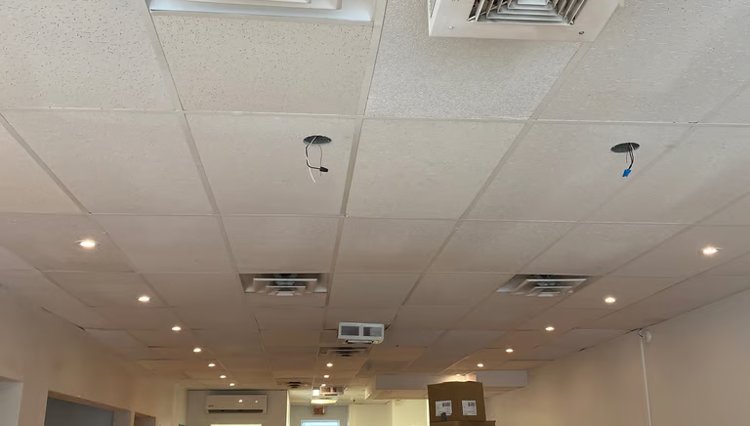
Garage charging setups need more than simple wall connections
Many people assume charging equipment only requires mounting hardware near parking spaces or garage walls indoors. Actual installation work often involves circuit upgrades, grounding inspections, and electrical panel evaluations before charging systems become operational safely. Homes built decades ago sometimes lack enough electrical capacity for modern charging equipment operating daily. Professional Residential EV Charging Installation providers generally inspect breaker load balance carefully before starting electrical modifications around residential properties. Smaller upgrades occasionally improve charging performance without major reconstruction work.
Outdoor charging stations face constant weather exposure every season
Outdoor charging equipment experiences snow, moisture, temperature shifts, and heavy rain throughout changing seasonal conditions yearly. Damaged conduit or unstable electrical connections can slowly affect charging performance and electrical safety around homes unexpectedly. Some homeowners overlook smaller charging interruptions because equipment still appears mostly functional during daily use somehow. Reliable residential EV charging stations usually include weather-resistant materials and properly protected outdoor electrical connections during installation projects. Consistent inspections often reduce avoidable maintenance concerns later.
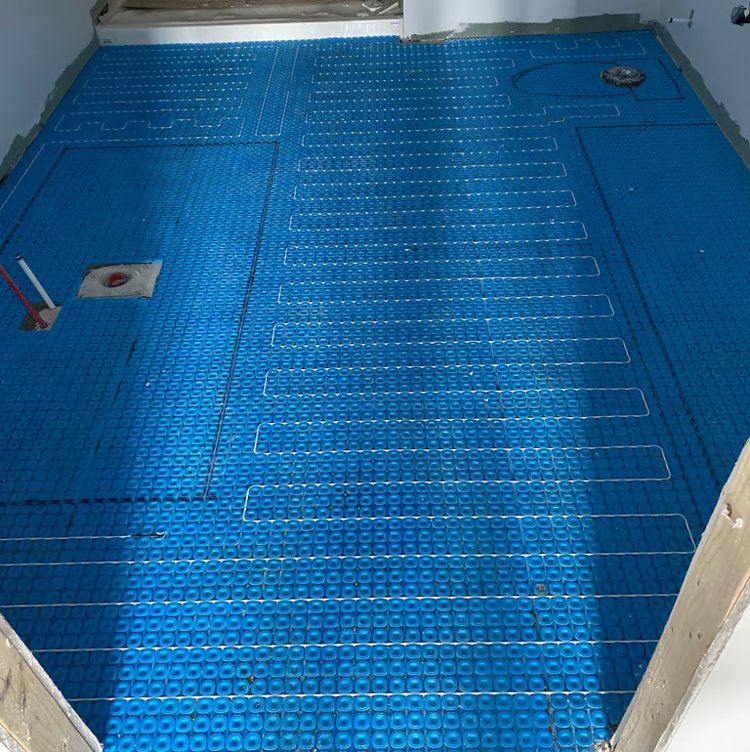
Faster charging systems usually require stronger electrical support
Level two charging equipment draws significantly more electricity compared to regular household outlets used for slower charging methods. Existing breaker panels sometimes overheat when charging systems operate several hours continuously overnight without electrical upgrades beforehand. Flickering lights or repeated breaker trips often signal overloaded circuits somewhere inside the property already. Experienced residential EV charging station installers usually calculate total household electrical demand before recommending charging system sizes carefully. Balanced electrical planning supports safer long-term charging performance around residential spaces.
Shared residential buildings now face growing charging demand too
Apartment complexes and shared residential parking spaces increasingly install charging systems for tenants using electric vehicles regularly. Multiple charging units operating simultaneously can place additional pressure on older electrical infrastructure throughout larger residential properties continuously. Building owners often require organized electrical planning before expanding charging access across underground parking areas or outdoor spaces. Skilled residential EV charging installation professionals normally review electrical distribution carefully before approving larger installation projects around shared properties. Organized planning helps reduce unstable electrical performance later.
Conclusion
Residential charging systems continue growing because electric vehicles now require practical and reliable home charging access daily. Older electrical panels, weak outdoor connections, and overloaded circuits often create hidden electrical stress before visible problems eventually appear around homes unexpectedly. Electrivolt.ca/en provides practical electrical services for homeowners planning charging system installations and residential electrical upgrades throughout changing seasonal conditions. Professional inspections usually help property owners avoid unnecessary electrical strain while improving long-term charging performance around residential spaces.
Blog Source URL :- https://electrivolt03.wordpress.com/2026/05/13/residential-ev-charging-installation-is-becoming-common-in-modern-residential-properties/