
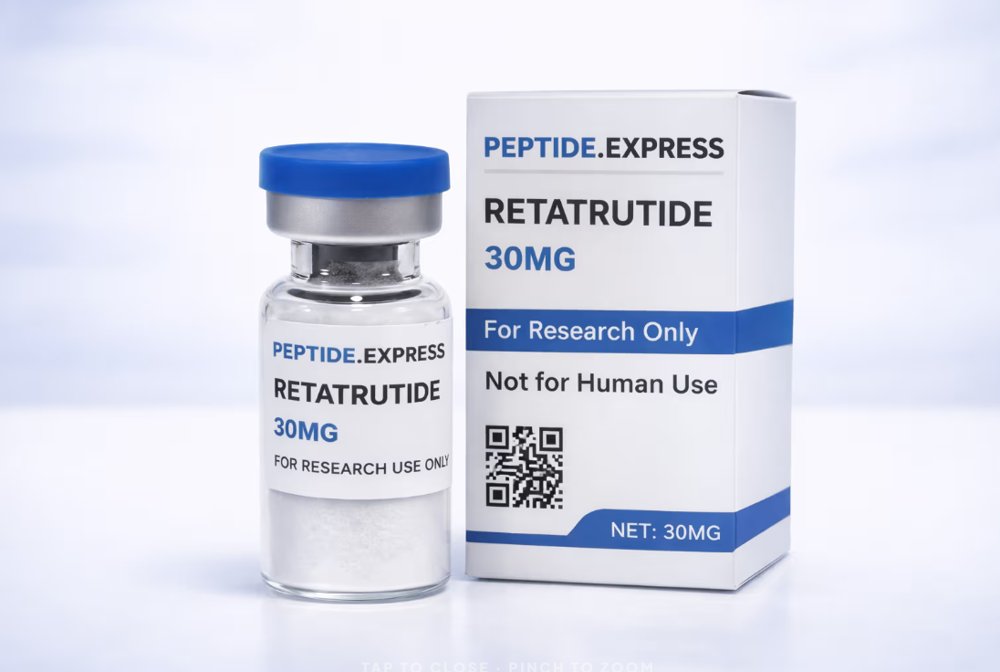
Recovery is one of the most important aspects of athletic performance, physical rehabilitation, and overall health. Whether you're recovering from an intense workout, a sports injury, or simply looking to support healthy tissue repair, proper recovery helps your body adapt, rebuild, and perform at its best. In recent years, peptides have attracted significant attention in scientific research for their potential role in where to buy peptides supporting various biological processes involved in recovery.
Peptides are short chains of amino acids that act as signaling molecules throughout the body. They help regulate a wide range of physiological functions, including hormone production, immune responses, tissue repair, and cellular communication. Researchers continue to investigate how specific peptides may influence healing and regeneration, though many peptide therapies remain under active study and are not approved for all recovery-related uses.
Peptides occur naturally within the human body and play essential roles in maintaining normal biological functions. Scientists have also developed synthetic peptides designed to mimic or enhance these natural signaling pathways. Depending on their structure and purpose, peptides may influence collagen production, growth hormone release, inflammatory responses, or cellular regeneration.
Unlike dietary protein supplements, which provide amino acids as nutritional building blocks, peptides function primarily as biological messengers. Their ability to interact with specific receptors makes them an important area of medical and pharmaceutical research.
Recovery extends beyond simply resting after exercise. During recovery, the body repairs damaged muscle fibers, restores energy reserves, reduces inflammation, and adapts to physical stress. Effective recovery may contribute to:
Nutrition, sleep, hydration, physical therapy, and appropriate training remain the foundation of effective recovery. Researchers are exploring whether certain peptides could complement these established recovery strategies.
Several peptides have become subjects of scientific investigation because of their potential involvement in tissue repair and regeneration. While research findings are promising in some areas, evidence varies depending on the specific peptide and medical condition being studied.
BPC-157 is among the most discussed peptides in recovery research. Most available studies have been conducted in laboratory and animal models rather than large-scale human clinical trials.
Researchers have explored its potential effects on:
Although preliminary findings have generated interest, high-quality human evidence remains limited, and additional clinical studies are necessary before firm conclusions can be drawn.
TB-500 is another peptide frequently mentioned in sports and recovery discussions. It is related to Thymosin Beta-4, a naturally occurring protein involved in tissue repair.
Research has examined its possible role in:
Most evidence comes from experimental research, and its effectiveness for routine recovery in humans has not been conclusively established.
Growth hormone-releasing peptides (GHRPs) and growth hormone secretagogues have also been investigated because growth hormone contributes to tissue maintenance and recovery.
Examples include:
Researchers continue studying how these compounds influence growth hormone release, muscle recovery, body composition, and metabolic function. Their clinical use varies depending on local regulations and approved medical indications.
Scientists believe peptides may affect recovery through several biological mechanisms.
Some peptides may stimulate cellular signaling pathways involved in repairing damaged tissues. This includes muscle fibers, tendons, ligaments, and skin. Researchers continue investigating whether these effects translate into meaningful clinical improvements.
Inflammation is a natural part of healing, but excessive or prolonged inflammation may delay recovery. Certain peptides are being studied for their potential ability to regulate inflammatory responses without completely suppressing the body's natural healing process.
Healthy blood circulation is essential for delivering oxygen and nutrients to injured tissues. Some experimental studies suggest specific peptides may support angiogenesis, the formation of new blood vessels, which could contribute to tissue regeneration.
Collagen is a structural protein found in tendons, ligaments, skin, and connective tissue. Some peptide-related research explores whether certain compounds may influence collagen synthesis during healing.
Despite growing interest, it is important to recognize the limitations of current peptide research.
Many published studies involve:
Large, randomized clinical trials remain limited for many recovery-focused peptides. As a result, researchers cannot yet confirm long-term safety, effectiveness, or ideal treatment protocols for many compounds discussed online.
Peptides should not be viewed as risk-free simply because they are based on naturally occurring amino acids.
Potential concerns may include:
Individuals considering peptide therapies should seek guidance from qualified healthcare professionals rather than relying on information from social media or unverified online sources.
Even as peptide research advances, experts consistently emphasize that recovery depends primarily on well-established lifestyle factors.
These include:
No peptide can replace these core elements of healthy recovery.
Peptide science continues to expand rapidly. Researchers are investigating new compounds that may target specific tissues with greater precision while minimizing unwanted effects. Advances in biotechnology may also improve peptide stability, delivery methods, and therapeutic applications.
Future clinical trials will help determine which peptides provide meaningful benefits, which populations may benefit most, and how these compounds can be safely integrated into evidence-based medical care.
Peptides represent one of the most promising areas of regenerative medicine and recovery research. Studies suggest certain peptides may influence tissue repair, inflammation, collagen production, and healing processes, but much of the current evidence remains preliminary. While compounds such as BPC-157, TB-500, and various growth hormone-releasing peptides continue to generate scientific interest, more high-quality human research is needed before their recovery benefits can be fully established.
For now, peptides should be viewed as an evolving area of medical research rather than a replacement for proven recovery practices. A balanced approach that prioritizes proper nutrition, sleep, exercise programming, and professional medical guidance remains the most reliable strategy for supporting long-term recovery and overall health.