
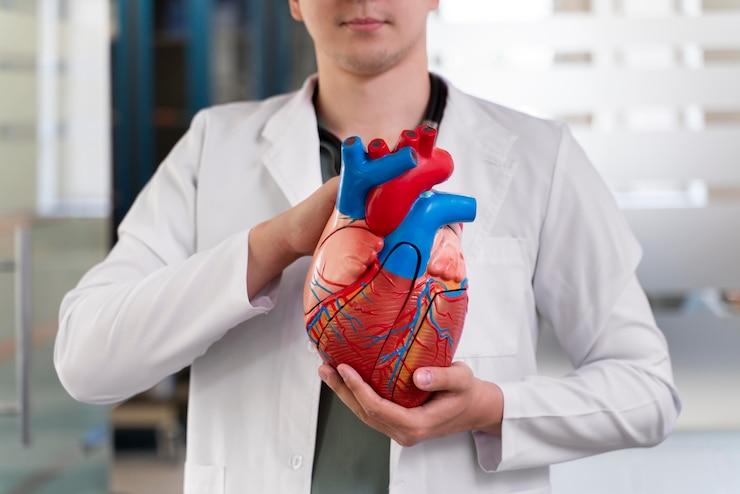
Atrial fibrillation (AFib) is a condition that causes an irregular and often rapid heart rhythm. While medication and procedures are commonly used for treatment, many patients seek home remedies for AFib and natural supplements to support heart health—one of the most discussed is Coenzyme Q10 (CoQ10).
CoQ10 is a compound naturally produced by the body and found in every cell, especially in the heart. Its primary role is to help produce energy in cells and act as an antioxidant. Over the past few years, CoQ10 has gained attention for its potential to support cardiovascular function and possibly reduce AFib symptoms.
In this article, we'll explore what the research says about CoQ10, how to use it safely, how it ties into larger heart health concerns like high cholesterol in women and the importance of seeing the best cardiologist in Los Angeles if symptoms persist.
Atrial fibrillation occurs when the electrical signals in the atria (upper chambers of the heart) fire in a disorganized way. This causes the heart to beat irregularly, which may lead to fatigue, dizziness, palpitations, and shortness of breath. If untreated, AFib increases the risk of stroke, heart failure, and other complications.
Conventional treatments include antiarrhythmic drugs, beta-blockers, anticoagulants, and sometimes procedures like electrical cardioversion or catheter ablation. But for those looking to complement medical treatment, home remedies for AFib—including lifestyle changes and natural supplements like CoQ10—can be a supportive addition.
CoQ10 is a vitamin-like substance that plays a crucial role in cellular energy production (ATP) and acts as an antioxidant, protecting cells from oxidative damage. It’s especially abundant in high-energy-demanding organs like the heart, kidneys, and liver.
CoQ10 levels naturally decline with age and are further depleted by certain medications, such as statins used for lowering cholesterol. This depletion is a concern because low CoQ10 levels may contribute to reduced heart efficiency and increased vulnerability to rhythm disorders.
Although CoQ10 is not a cure for AFib, emerging research shows it may have a protective role in heart rhythm management.
Though the evidence is still growing, CoQ10’s role in improving mitochondrial function and reducing oxidative stress shows promise for AFib patients, particularly those looking for home remedies for AFib to complement traditional therapies.
If you’re considering CoQ10 for heart health or AFib, here’s how to use it effectively:
Ubiquinol tends to be better for older adults or those with chronic conditions.
Always start with a lower dose and increase gradually based on tolerance and guidance from a healthcare provider.
CoQ10 is fat-soluble, so taking it with a meal that contains healthy fats (like olive oil or avocado) improves absorption.
AFib and cholesterol issues often go hand in hand. Symptoms of high cholesterol in women can be subtle and often overlooked—fatigue, chest discomfort, or even breathlessness may be misattributed to stress or aging. However, elevated cholesterol levels can stiffen arteries, reduce blood flow, and contribute to heart rhythm irregularities.
Many women with high cholesterol are prescribed statins, which are known to reduce CoQ10 levels. Supplementing with CoQ10 can help counteract this side effect and support overall heart energy production—especially important for women navigating both cholesterol management and AFib.
CoQ10 works best when paired with a heart-healthy lifestyle. Consider incorporating these home remedies for AFib into your daily routine:
These changes not only help with AFib but also improve overall cardiovascular health.
While CoQ10 is a valuable supplement, it’s not a substitute for professional care. If you’re experiencing irregular heartbeats, dizziness, or unexplained fatigue, it’s time to consult the best cardiologist in Los Angeles or your local specialist. A comprehensive evaluation can determine the severity of your AFib and whether CoQ10 or other integrative strategies are appropriate.
A good cardiologist will also monitor your cholesterol, blood pressure, and overall risk factors, creating a personalized plan that balances both traditional and natural remedies.
Coenzyme Q10 is one of the most promising natural supplements for supporting heart rhythm, especially for those dealing with AFib or managing cholesterol. While it's not a standalone cure, it can be an effective part of your heart health toolkit—especially when combined with smart lifestyle choices and professional care.
If you’re experiencing symptoms of high cholesterol in women or irregular heart rhythms, consider speaking with a healthcare provider before starting CoQ10. And remember: for serious heart concerns, always consult the best cardiologist in Los Angeles or a trusted heart specialist near you to guide your treatment journey.