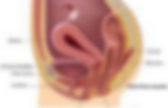
Here are some situations in which surgery for pelvic floor diseases might be recommended:
1. Pelvic Organ Prolapse (POP):
- Severity: If the prolapse is severe and is causing significant symptoms, such as a bulging sensation or pressure in the pelvic area.
- Impact on Function: When pelvic organ prolapse affects a person's ability to perform daily activities or interferes with bladder, bowel, or sexual function.
1. Urinary Incontinence:
- Failed Conservative Treatments: When non-surgical approaches, such as pelvic floor exercises, behavioral therapies, or medications, have not provided sufficient relief.
- Severe Symptoms: In cases of severe stress incontinence or urge incontinence that significantly impact quality of life.
1. Fecal Incontinence:
- Ineffectiveness of Conservative Measures: If non-surgical interventions, such as dietary changes, medications, or pelvic floor exercises, fail to improve symptoms.
- Significant Impact on Daily Life: When fecal incontinence has a profound impact on a person's ability to participate in normal daily activities.
1. Pelvic Floor Dysfunction:
- Symptom Severity: In cases where pelvic floor dysfunction is severe, causing persistent and debilitating symptoms.
- Failure of Conservative Approaches: When conservative treatments, including physical therapy and lifestyle modifications, have not been successful.
1. Recurrent Infections or Complications:
- Recurrent Infections: For conditions like recurrent urinary tract infections associated with pelvic floor dysfunction.
- Complications: If complications, such as recurrent urinary retention or kidney problems, arise due to pelvic floor disorders.
It's crucial to note that surgery is not the first-line treatment for most pelvic floor disorders. Conservative measures, such as physical therapy, lifestyle modifications, and medications, are often explored first.
The decision to undergo surgery should be a collaborative one between the patient and the healthcare team, considering the individual's overall health, preferences, and the potential risks and benefits of the surgical intervention.
A thorough evaluation and discussion with a urogynecologist or pelvic medicine specialist are essential to determine the most appropriate course of action. Embark on a journey to digestive well-being with the expertise of Dr. Chintamani Godbole, a distinguished Gastrointestinal Doctor in Mumbai.