
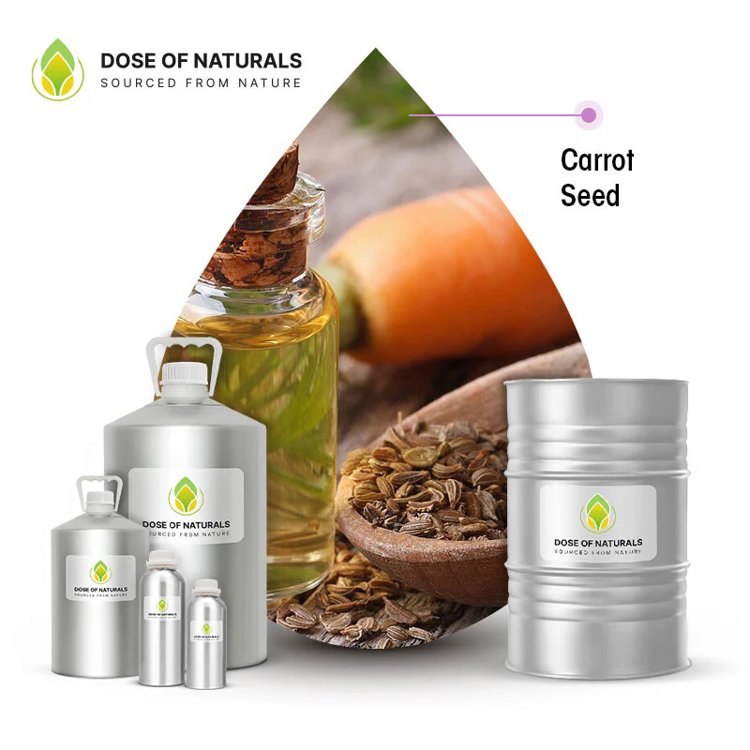
The growing demand for plant-based ingredients has encouraged businesses across cosmetics, personal care, wellness, and aromatherapy to seek dependable natural raw materials.Carrot Seed Oil Manufacturers play an important role in meeting this demand by producing carefully processed oil derived from carrot seeds. Known for its distinctive botanical profile and versatile applications, carrot seed oil is valued by formulators looking for naturally sourced ingredients. Reliable production involves appropriate sourcing, controlled extraction, quality testing, and consistent handling to help maintain the oil’s desired characteristics from batch to batch.
Carrot seed oil is obtained from the seeds of the carrot plant through suitable extraction or distillation methods. It has a characteristic earthy, warm, and slightly woody aroma that makes it useful in fragrance and personal care formulations. Its botanical composition can vary depending on factors such as cultivation conditions, plant material, extraction technique, and storage.
For manufacturers and formulators, consistency is an important consideration. A dependable supplier should maintain suitable production practices and quality controls so that customers can work with a predictable raw material. Proper filtration, storage, packaging, and handling also help preserve the product during transportation and extended storage.
Carrot seed oil can be incorporated into a variety of product categories. In skincare, it is commonly considered for formulations such as creams, lotions, facial oils, serums, and body-care products. Cosmetic developers may also use it as part of botanical blends designed around naturally sourced ingredients.
The oil can also have relevance in aromatherapy and fragrance development because of its recognizable aromatic character. When combined with other botanical oils, it can contribute depth and complexity to customized fragrance compositions. Its versatility allows formulators to explore different product concepts while maintaining a plant-based positioning.
Selecting the right supplier requires more than comparing prices. Buyers should consider raw material sourcing, extraction practices, batch consistency, packaging standards, documentation, and quality assurance procedures. Clear technical information can make it easier for manufacturers to determine whether an ingredient is suitable for their intended formulation.
A professional supplier should also understand the needs of different markets. Cosmetic companies, fragrance developers, aromatherapy brands, and ingredient distributors may require different packaging sizes, specifications, or documentation. Responsive communication and dependable order handling can therefore be valuable when establishing a long-term supply relationship.
The quality of an essential oil begins with its raw materials. Factors such as seed quality, harvesting conditions, geographical origin, and post-harvest handling can influence the final product. Responsible sourcing practices help businesses maintain greater control over their ingredient supply chain.
For commercial buyers, traceability can also support internal quality management. Information about sourcing and production may assist companies in evaluating ingredients before introducing them into their own manufacturing processes. This is especially relevant for businesses that prioritize transparency and consistent product development.
The natural-products market continues to encourage innovation in personal care and wellness. Formulators are increasingly exploring botanical ingredients that can complement modern product concepts without compromising sensory appeal. Carrot seed oil fits into this trend because it offers a distinctive botanical identity and can be used in carefully designed blends.
Dose of Naturals focuses on providing natural ingredient solutions for businesses seeking dependable botanical raw materials. A customer-focused approach can help buyers identify suitable products, understand available specifications, and select packaging according to their commercial requirements.
Businesses exploring complementary aromatic ingredients may also consider Cypress Oil Suppliers when developing essential oil blends. Cypress oil has a fresh, woody, and characteristic aroma that can work well in fragrance, personal care, and aromatherapy-oriented formulations. Its distinctive profile makes it useful when formulators want to introduce a clean botanical note into a blend. Choosing a dependable source is important because consistent quality and appropriate storage can influence the performance and sensory character of the finished formulation.
Another botanical ingredient frequently considered by fragrance and personal care developers is Cinnamon Oil Exporters. Cinnamon oil is recognized for its warm, spicy, and intense aromatic profile, making it suitable for selected fragrance compositions and aromatic blends. Since its concentrated nature requires careful formulation, businesses should evaluate product specifications and handling information before use. Working with an experienced exporter can help commercial buyers obtain appropriate documentation, packaging, and supply support for their intended applications.
For businesses purchasing botanical oils at a commercial level, consistency can directly affect manufacturing efficiency. Variations in aroma, appearance, or technical characteristics may create challenges when developing repeat batches of a finished product. This makes quality management an important part of supplier selection.
Reliable producers generally pay attention to processing conditions, storage environments, packaging materials, and batch-level evaluation. Buyers can also benefit from requesting relevant specifications and documentation before placing larger orders. These steps can help establish expectations and support smoother cooperation between ingredient suppliers and product manufacturers.
A strong supplier relationship is based on more than a single successful transaction. Consistent communication, transparent product information, timely order processing, and practical customer support can help businesses manage their ingredient requirements more effectively.
For growing brands, having access to dependable botanical ingredients can simplify product development and production planning. Whether the requirement involves smaller quantities for formulation trials or larger commercial orders, a supplier that understands changing business needs can become a valuable part of the procurement process.
Natural botanical ingredients continue to offer opportunities for innovation across cosmetics, fragrance, wellness, and personal care. Careful sourcing, controlled processing, quality assurance, and dependable customer support are essential for maintaining a reliable ingredient supply. By evaluating these factors before purchasing, businesses can make informed sourcing decisions and develop products with greater consistency and confidence.