
Polyurethane manufacturing is widely used across industries such as automotive, construction, furniture, footwear, electronics, and industrial equipment. From flexible foam products to rigid molded components, polyurethane materials require suitable mold release agents to ensure smooth demolding and consistent product quality.
A good mold release agent prevents polyurethane materials from sticking to mold surfaces, reduces production downtime, and helps extend mold life. With several formulations available in the market, manufacturers need to select products based on their application, processing temperature, mold material, and production requirements.
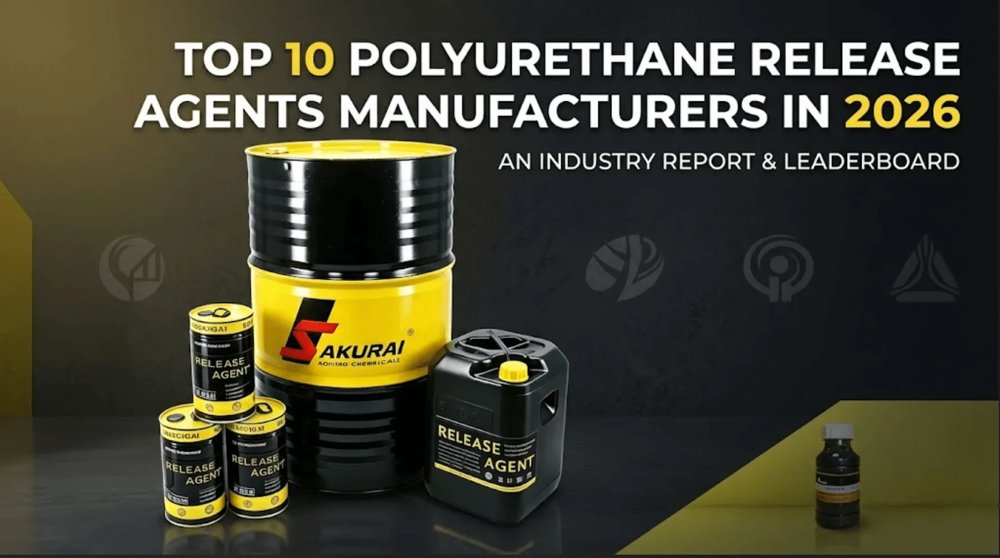
In this guide, we will explore the Top 10 polyurethane release agents in 2026, discuss the benefits of Mould release agent wholesale purchasing, and understand how a Plastic release agent aerosol spray can support convenient industrial applications.
Selecting the right polyurethane release agent depends on the type of polyurethane material, molding process, and desired surface finish. Below are ten common types of release agent solutions worth considering in 2026.
Water-based release agents are commonly used in industrial molding applications. They offer convenient application and can help reduce reliance on solvent-based formulations. They are suitable for selected polyurethane molding processes where water-based chemistry is compatible.
Silicone-based formulations provide effective release properties and are used in different plastic and polyurethane molding applications. They help reduce sticking and support smooth component removal. However, compatibility with subsequent painting and bonding operations should be checked.
Semi-permanent release agents are designed to create a durable release layer on mold surfaces. They can reduce the frequency of reapplication and are useful in production environments where consistent release performance is important.
Solvent-based products are formulated for applications requiring specific spreading, drying, and release characteristics. Manufacturers should consider ventilation, workplace safety, and application instructions when using these products.
Silicone-free formulations are useful when finished components require additional operations such as painting, coating, printing, or adhesive bonding. They can help minimize silicone-related surface contamination.
Oil-based release agents provide lubrication and help prevent sticking in selected molding applications. Their suitability depends on the polyurethane formulation and the required surface finish.
Concentrated products are designed to be diluted according to manufacturer instructions. They can offer economical usage for large-scale manufacturing operations while maintaining the required release performance.
High-temperature formulations are developed for molding processes involving elevated operating temperatures. They should be selected according to the specific temperature range and processing conditions.
These products are specifically designed for polyurethane foam manufacturing. They help prevent foam adhesion to mold surfaces and support easier removal of finished foam components.
Specialized formulations are used in polyurethane composite and other advanced molding applications. They can help improve surface quality and provide reliable release performance for complex components.
Note: These are ten common categories of polyurethane release agents, not a verified ranking of individual commercial brands. The best option depends on the manufacturing process and product specifications.
For manufacturers with regular production requirements, purchasing release agents in bulk can be a practical procurement strategy. Mould release agent wholesale purchasing allows businesses to manage inventory, maintain product availability, and potentially reduce per-unit purchasing costs.
1. Competitive Pricing
Wholesale orders may offer better pricing compared with smaller purchases. Suppliers may provide volume-based quotations depending on order quantity and product specifications.
2. Consistent Product Supply
Bulk purchasing helps manufacturers maintain sufficient inventory for continuous production and avoid frequent procurement delays.
3. Better Inventory Management
Businesses can plan their purchasing schedules according to production requirements and expected consumption.
4. Supplier Relationships
Building long-term relationships with manufacturers and distributors can provide access to technical assistance, product recommendations, and customized purchasing arrangements.
5. Multiple Product Options
Wholesale suppliers may offer different release agent formulations for polyurethane, plastic, rubber, and composite manufacturing.
Before placing a bulk order, consider the following:
Choosing products based only on low prices may result in inconsistent release performance. Always prioritize product quality and application compatibility.
A Plastic release agent aerosol spray is a convenient product format designed for controlled application on mold surfaces. It is generally supplied in pressurized containers that allow users to apply a relatively even coating without requiring separate spraying equipment.
Aerosol release agents are useful for smaller molds, maintenance operations, and applications where quick and convenient product application is preferred.
1. Easy Application
The spray format allows users to apply release agents directly to selected mold areas with minimal application equipment.
2. Uniform Coverage
When used according to instructions, aerosol sprays can provide controlled coverage across mold surfaces.
3. Convenient Handling
Aerosol containers are portable and suitable for workshops, maintenance teams, and smaller manufacturing operations.
4. Reduced Application Time
Direct spraying can simplify mold preparation and reduce the time required for certain application processes.
5. Versatile Applications
Depending on the formulation, aerosol release agents may be suitable for selected plastic, rubber, and polyurethane molding applications.
Before using an aerosol release agent, clean the mold surface and follow the manufacturer's application instructions. Maintain appropriate ventilation and keep aerosol containers away from heat, sparks, and open flames. Always check the product's compatibility with the mold material and molding process.
Selecting a reliable manufacturer is important for maintaining consistent production quality. Businesses should evaluate suppliers based on their product range, technical knowledge, manufacturing capabilities, and quality control procedures.
Look for manufacturers that offer:
Testing samples under actual production conditions can help identify the most suitable release agent before making a large purchase.
Choosing the right release agent is essential for improving polyurethane and plastic molding operations. Exploring the Top 10 polyurethane release agents in 2026 helps manufacturers understand the different formulations available for various industrial applications.
For businesses with regular production requirements, Mould release agent wholesale purchasing can support better inventory planning and potentially reduce procurement costs. Meanwhile, a Plastic release agent aerosol spray offers a convenient application method for suitable molding and maintenance requirements.
Before selecting a product, evaluate its release performance, temperature resistance, chemical compatibility, and application requirements. Working with a reliable manufacturer can help ensure consistent product quality, smoother demolding, and improved manufacturing efficiency.