
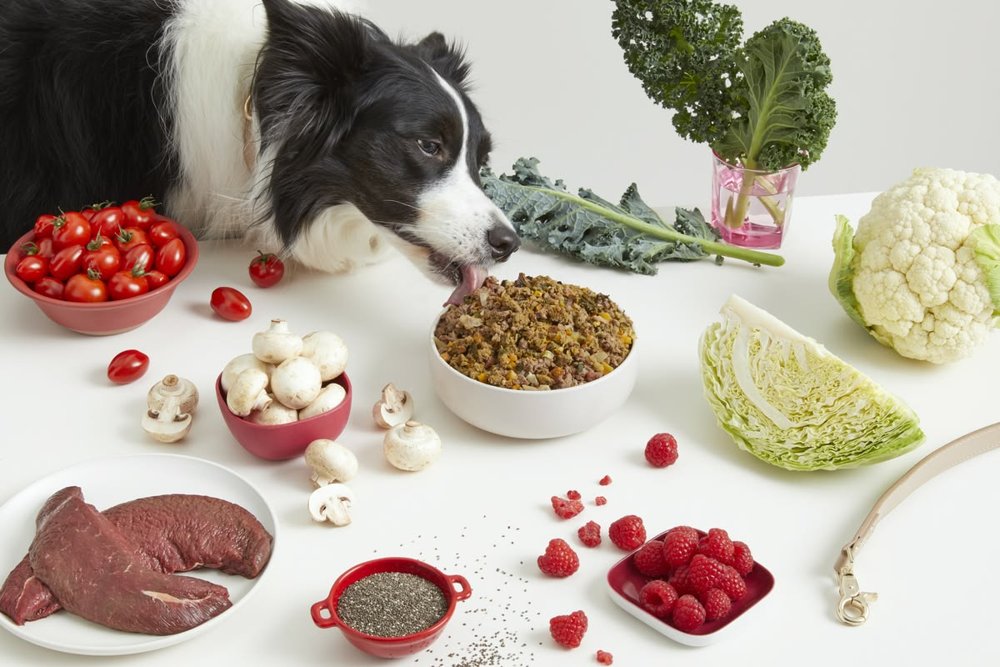
Choosing the best<!--td {border: 1px solid #cccccc;}br {mso-data-placement:same-cell;}-->gluten free dog food can be challenging with so many options available today. Many pet owners look for gluten-free diets because they believe they may help with digestion, food sensitivities, or overall wellness. However, the most important thing is not just whether a food is gluten-free—it is whether the diet provides complete and balanced nutrition for your dog’s specific needs.
Every dog is different. Factors like age, breed, activity level, health condition, and food tolerance all play an important role when selecting the right food.
Gluten free dog food is made without gluten-containing grains such as wheat, barley, and rye. However, it is important to understand that gluten-free and grain-free are not the same thing.
A gluten-free formula may still contain certain grains that do not contain gluten, such as rice. On the other hand, grain-free foods remove all grains and often replace them with ingredients like potatoes or legumes.
Understanding this difference helps pet owners make better choices based on their dog’s actual nutritional needs.
Not every dog requires a gluten-free diet.
Many healthy dogs can digest grains without any problems. Gluten-free food may be considered for dogs with specific dietary sensitivities or when recommended by a veterinarian.
Signs that your dog may need a closer look at their diet include:
If your dog experiences ongoing symptoms, it is best to consult a veterinarian before making major diet changes.
The most important factor is nutritional quality.
A good dog food should provide:
A gluten-free label alone does not guarantee that a food is healthier or better for your dog.
Protein supports muscle maintenance, energy, and overall health.
When selecting gluten-free dog food, look for quality protein sources that your dog tolerates well.
Common options include:
The best protein choice depends on your dog’s individual needs.
Some dogs do better with simpler formulas that are easier to digest.
Limited ingredient gluten-free foods may be useful for pet owners who want to monitor their dog’s reaction to specific ingredients.
However, fewer ingredients do not always mean better nutrition. The complete formula should always be considered.
Dogs with sensitive stomachs may benefit from carefully selected diets, but digestive issues can have many causes.
A dog’s stomach problems may come from:
Simply switching to gluten-free food may not solve the problem if the underlying cause is different.
If you decide to change your dog’s food, introduce the new diet gradually.
A sudden change can lead to:
A slow transition allows your dog’s digestive system to adjust more comfortably.
Monitor your dog’s:
Choosing the best gluten free dog food is about more than following a trend. The right food should support your dog’s health, provide balanced nutrition, and match their individual dietary needs.
Before selecting a gluten-free formula, consider your dog’s age, breed, activity level, and any health concerns. A quality diet should focus on proper nutrition rather than just a label on the package.
At<!--td {border: 1px solid #cccccc;}br {mso-data-placement:same-cell;}-->Dogs tips, we help pet parents make smarter choices about dog nutrition, health, grooming, behavior, and everyday care. From understanding food options to choosing the right products for your furry friend, our goal is to provide practical information that supports healthier and happier dogs.
A better diet starts with understanding what your dog truly needs—not just what the label promises.