
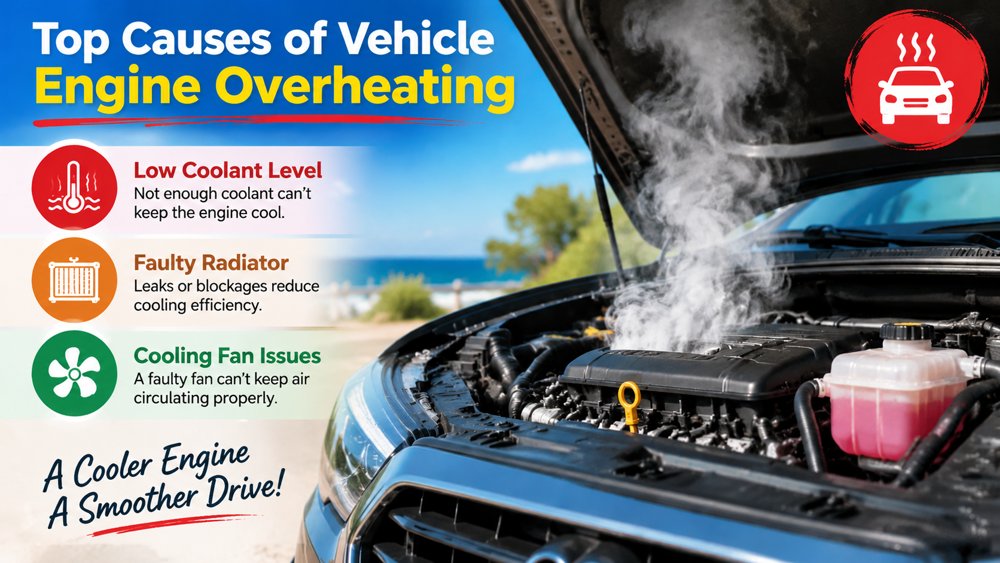
Seeing smoke or steam coming from under your vehicle’s hood can be alarming. An overheating engine is one of the most common automotive problems that can quickly turn into an expensive repair if ignored. When your engine temperature rises beyond the normal range, it can damage important components such as the head gasket, cylinders, pistons, and other internal parts.
Your vehicle’s cooling system works continuously to control engine temperature and maintain efficient performance. When any part of this system fails, heat can build up rapidly. Understanding the top causes of vehicle engine overheating can help you identify warning signs early, take proper action, and avoid major mechanical problems.
We help drivers diagnose cooling system concerns and provide reliable solutions to keep vehicles running safely. Whether your vehicle is experiencing frequent overheating, coolant leaks, or temperature fluctuations, professional inspection and timely repairs can prevent costly damage.
An engine naturally produces a significant amount of heat during operation. The cooling system is designed to remove excess heat and maintain a safe operating temperature. This system includes several important components, including coolant, radiator, thermostat, water pump, cooling fans, hoses, and other parts that work together.
When one of these components fails or does not function correctly, the engine may not be able to release heat efficiently. As a result, the temperature gauge may rise, steam may appear from under the hood, and your vehicle may begin showing performance issues.
Ignoring overheating problems can lead to severe engine damage. A small cooling system issue, such as low coolant, can eventually become a major repair if it is not addressed quickly.
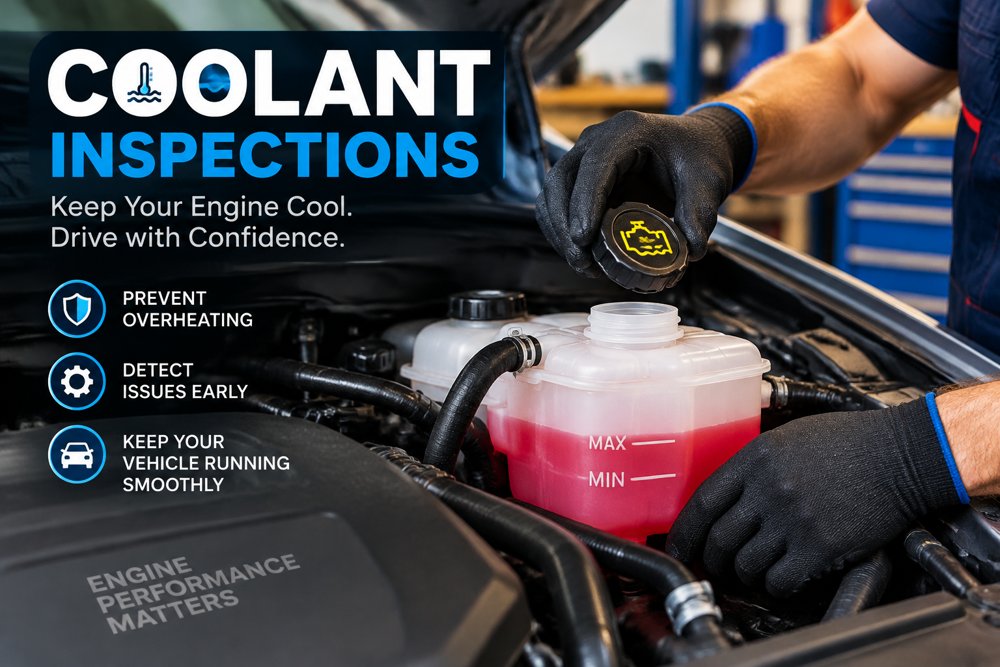
One of the most common reasons for engine overheating is having insufficient coolant. Coolant, also known as antifreeze, absorbs heat from the engine and carries it to the radiator, where the heat is released.
If the coolant level is low, the system cannot effectively regulate engine temperature. Low coolant can happen due to leaks, evaporation, damaged hoses, or improper maintenance.
Signs of low coolant may include:
Regular coolant checks and scheduled maintenance can help identify low fluid levels before they cause serious engine problems.
A coolant leak can quickly lead to overheating because the cooling system depends on maintaining the correct amount of fluid. Leaks can occur in different areas, including:
Some leaks are easy to spot, while others may be hidden inside the engine compartment. If your vehicle repeatedly loses coolant, it is important to have the system professionally inspected.
Driving with a coolant leak can cause your engine temperature to rise unexpectedly and may result in expensive repairs.
The thermostat controls the flow of coolant between the engine and radiator. When the engine reaches its operating temperature, the thermostat opens to allow coolant circulation.
A damaged thermostat may become stuck in the closed position, preventing coolant from reaching the radiator. This restriction causes heat to build up inside the engine.
Common symptoms of thermostat problems include:
Replacing a faulty thermostat can restore proper coolant circulation and prevent overheating issues.
The radiator plays a major role in cooling your engine. It removes heat from the coolant before the fluid returns to the engine.
A damaged or clogged radiator may not be able to release heat effectively. Problems can occur due to corrosion, debris buildup, damaged fins, or internal blockages.
Signs of radiator problems may include:
Professional radiator inspection and maintenance can improve cooling performance and extend the life of your vehicle.
The water pump circulates coolant throughout the engine and cooling system. If the water pump fails, coolant cannot move properly, causing the engine temperature to increase.
A failing water pump may produce unusual noises, coolant leaks, or overheating problems.
Possible warning signs include:
Because the water pump is essential for coolant circulation, addressing problems early is important.
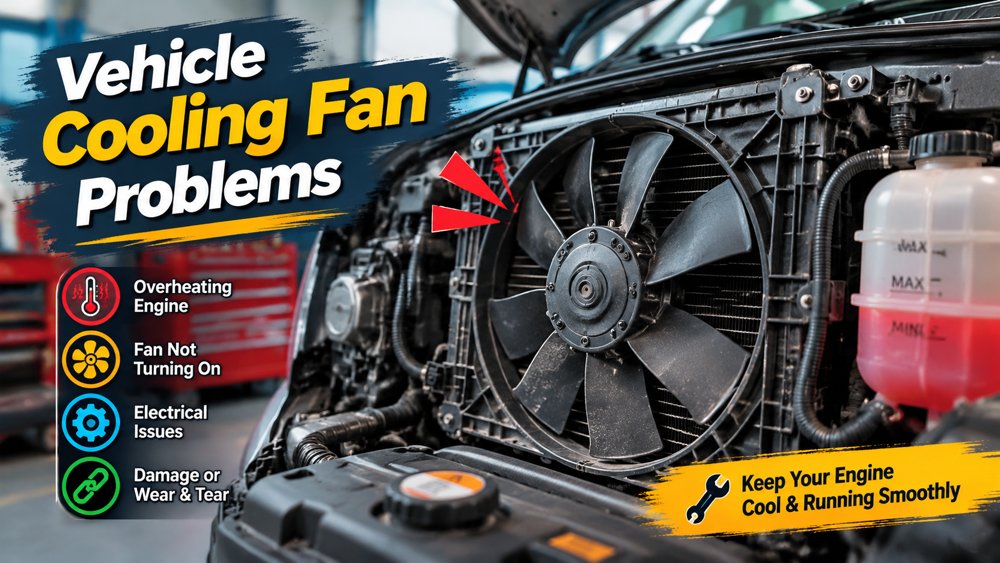
Cooling fans help reduce coolant temperature when air movement through the radiator is limited, especially during slow driving or when the vehicle is stopped.
If the cooling fan fails due to electrical issues, damaged motors, or faulty sensors, the radiator may not receive enough airflow.
Symptoms of cooling fan failure include:
A professional technician can inspect the fan system and determine whether repair or replacement is needed.
Cooling hoses transport coolant between different parts of the engine and radiator. Over time, hoses can become weak, cracked, swollen, or blocked.
A damaged hose can restrict coolant flow or cause fluid leaks, increasing the risk of overheating.
Regular inspections can help identify hose problems before they result in sudden breakdowns.
If your vehicle starts overheating, taking immediate action can help reduce damage.
Follow these steps:
Continuing to drive an overheating vehicle can cause severe engine failure. It is always better to address the problem early rather than risk expensive repairs.
Preventative maintenance is one of the best ways to avoid cooling system failures. Routine inspections allow technicians to identify small issues before they become major problems.
Maintenance services may include:
Our experienced team helps drivers maintain reliable vehicle performance through professional cooling system support and quality repairs.
“Coastal Auto Repair and Service provided excellent service when my vehicle started overheating. They quickly identified the cooling system issue and explained the<!--td {border: 1px solid #cccccc;}br {mso-data-placement:same-cell;}-->repair process clearly. My car has been running smoothly ever since.”
“I appreciated the honest recommendations and professional approach. The team checked my coolant system thoroughly and helped prevent a much bigger engine problem.”
“Fast, reliable, and knowledgeable service. Coastal Auto Repair and Service made sure my vehicle was safe before getting back on the road.”
An engine can overheat due to several issues, including low coolant, coolant leaks, thermostat failure, radiator problems, water pump failure, or cooling fan issues. Regular maintenance helps detect these problems early.
It is not recommended to continue driving an overheating vehicle. Doing so can cause serious engine damage, including warped engine components or head gasket failure.
Coolant levels should be inspected regularly as part of routine vehicle maintenance. Your vehicle manufacturer’s recommendations should also be followed for coolant replacement intervals.
If coolant levels are normal, overheating may be caused by other issues such as a faulty thermostat, damaged radiator, failing water pump, blocked hoses, or cooling fan problems.
Regular maintenance, coolant inspections, timely repairs, and monitoring warning signs can help prevent overheating. Addressing small cooling system problems early can protect your engine and reduce<!--td {border: 1px solid #cccccc;}br {mso-data-placement:same-cell;}-->repair costs.
An overheating engine should never be ignored. Small cooling system issues can quickly become major mechanical problems without proper attention. Regular inspections and professional repairs help keep your vehicle reliable, efficient, and safe.
If you notice rising temperature readings, coolant leaks, warning lights, or smoke from under your hood, contact<!--td {border: 1px solid #cccccc;}br {mso-data-placement:same-cell;}-->Coastal Auto Repair and Service for expert coolant and cooling system support. Our team is ready to help identify the problem and provide dependable solutions to protect your vehicle.