
As pet owners, ensuring the health and well-being of our furry friends is a top priority. One of the most effective ways to protect them from a wide array of diseases is through vaccination. Pet vaccinations are crucial in preventing illnesses that can be harmful or even fatal to our pets. In this guide, we'll explore the importance of vaccinations for pets, the types of vaccines available, and how they help safeguard our beloved animals.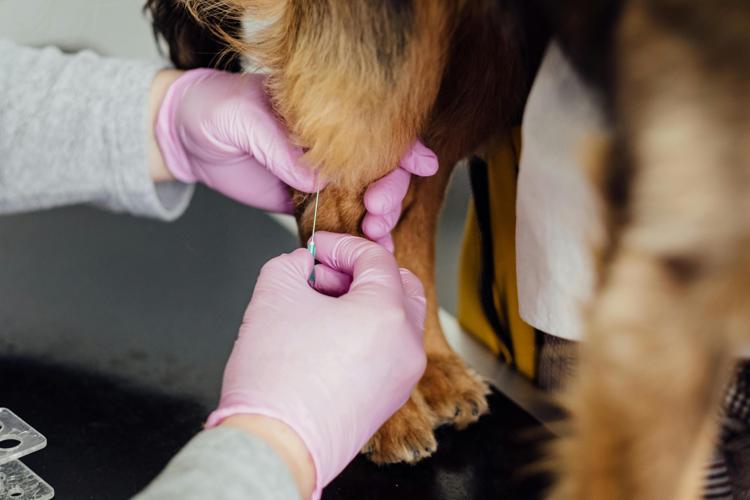
Vaccinations play a pivotal role in maintaining your pet’s health. By immunizing your pet, you’re equipping their immune system to fend off specific infectious diseases. This not only helps in preventing diseases but also ensures that your pet leads a healthier and longer life.
Vaccinations do more than just protect individual pets; they help in preventing the spread of contagious diseases to other animals. This is particularly important in multi-pet households, parks, or any community where animals interact.
The cost of pet vaccination is significantly lower compared to the potential costs of treating a serious illness. Investing in your pet's vaccines can save you from expensive medical bills and the emotional distress of dealing with a sick pet.
Rabies: This vaccine is crucial as rabies is a fatal disease that can affect both animals and humans. Most states mandate rabies vaccination for dogs.
Distemper: A highly contagious and potentially deadly disease, distemper can affect the respiratory, gastrointestinal, and nervous systems of dogs. Vaccination is essential to prevent this disease.
Parvovirus: Parvovirus is known for causing severe gastrointestinal issues in dogs, often leading to death if untreated. Vaccination is vital for prevention.
Bordetella: Commonly known as kennel cough, Bordetella is highly contagious and can cause severe respiratory issues in dogs. Vaccination is recommended for dogs that frequent kennels or dog parks.
Lyme Disease: Spread by ticks, Lyme disease can cause serious health issues in dogs, including joint pain and kidney problems. Vaccination is advisable for dogs in tick-prone areas.
Rabies: Similar to dogs, rabies vaccination is essential for cats due to the fatal nature of the disease and its potential to infect humans.
Feline Distemper (Panleukopenia): This disease is highly contagious and can be deadly. Vaccination is critical for all cats.
Feline Herpesvirus: This virus causes respiratory infections and can lead to severe health problems in cats. Vaccination helps in controlling the spread and severity of the disease.
Feline Leukemia: This virus is a leading cause of death in cats and can spread through saliva. Vaccination is recommended for cats at risk of exposure.
Bordetella: Although more common in dogs, Bordetella can also affect cats, especially those in multi-cat environments or shelters.
Puppies and kittens should start their vaccination schedule early. Typically, the first set of vaccinations begins at 6-8 weeks of age. This initial round of vaccines helps to protect them during their most vulnerable stage.
Booster shots are essential to maintain immunity. These are usually given at 3-4 week intervals until the puppy or kitten is around 16 weeks old. After the initial series, booster shots are required annually or as recommended by your vet.
Brunswick Animal Hospital offers a full range of pet vaccination services tailored to the needs of your pets. Their experienced staff ensures that your pet receives the best care possible.
Pet owners rave about the compassionate and professional care their pets receive at Brunswick Animal Hospital. One satisfied pet owner remarked, “Thanks to Brunswick Animal Hospital, my dog is healthy and happy. Their vaccination program is top-notch!”
Vaccinating your pet is one of the most responsible actions you can take as a pet owner. It not only protects your pet from dangerous diseases but also contributes to the overall health of the pet community. Remember, a vaccinated pet is a healthy pet. Schedule your pet's vaccination with Brunswick Animal Hospital today and ensure your furry friend stays safe and healthy.