
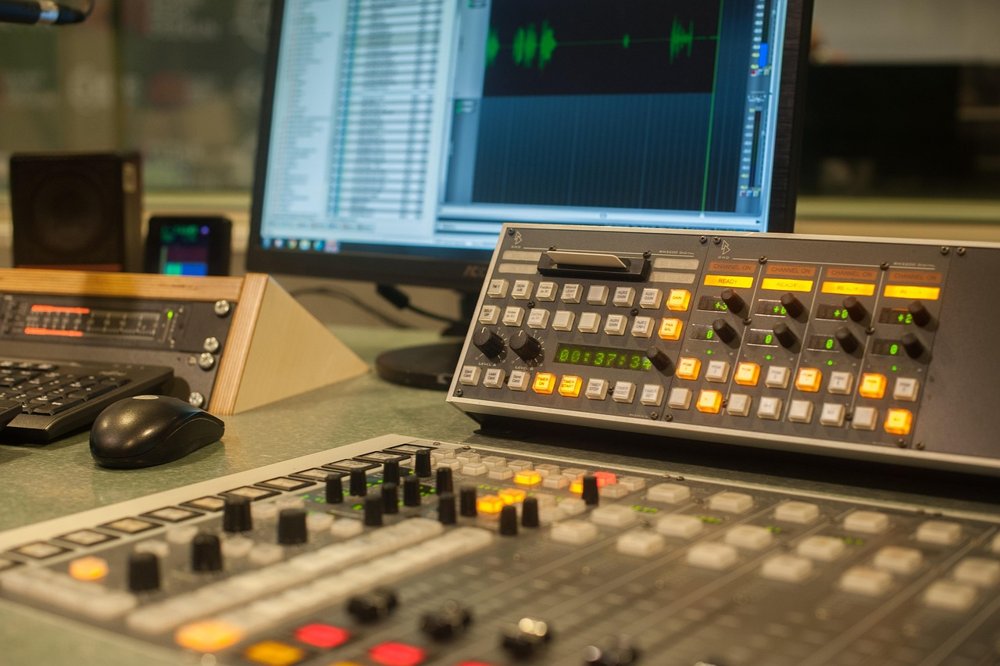
A studio can have strong gear, decent acoustics, and serious creative intent, yet still feel inefficient for one simple reason: the desk is working against the person using it. When the surface is too shallow, too crowded, or awkwardly arranged, sessions develop small but constant interruptions. Screens sit at poor angles, controllers compete for space, and posture starts to break down during longer edits. Those issues rarely feel dramatic in a single afternoon, but over time, they affect concentration, stamina, and workflow quality. A well-designed desk does more than hold equipment. It shapes reach, comfort, and visual order, all of which influence how naturally the room supports real work. In this article, we will discuss why the right desk matters more than many creators initially expect.
Most workflow issues manifest as minor hiccups rather than major breakdowns. The professional studio desk addresses these “minor” hiccups by placing the items you use the most close to hand, which means the changeovers between screens, interface, keyboard and controllers seem natural rather than awkward. It is essential during all-night mixing sessions. If a creator is hunched over tightening drum sounds or cleaning up vocal edits for 2 hours, the constant stretching and bending quickly add up to the tiredness.
Many buyers focus on sound and leave ergonomics for later, although discomfort can quietly damage creative consistency. A poorly planned home studio desk often leads to raised shoulders, cramped legroom, or a forward neck angle that slowly drains attention. Those issues become obvious during longer revisions, vocal comping, or arrangement work that stretches well past an hour. One common mistake is choosing a desk that looks sharp in photos but feels restrictive after forty-five minutes of use. Comfort is not a cosmetic detail.
When everything shares the same surface without structure, the room starts creating friction. A cleaner professional studio desk setup gives each important item a stable place, which reduces visual noise and makes the environment easier to use under pressure. That gain is practical, not just aesthetic. Imagine a revision session where one cable issue steals ten minutes because routing was never handled properly. Or picture a controller that keeps blocking the writing area, forcing constant reshuffling. Both are realistic examples, and both slow the session unnecessarily.
Bigger is not always better, and studios buyer often learn that too late. The studio desk for music production should match the room, support the daily gear list, and leave enough free space for comfortable movement. For one person, that may mean integrated rack support. For another, it may mean extra width for displays and nearfields. The tradeoff is simple. More surface area increases flexibility, but it can dominate a smaller room if the proportions are wrong. A desk should feel resolved inside the space, not oversized for the sake of looking impressive.
Furniture does not create skill, but it absolutely shapes perception. When a room feels intentional, clients and collaborators tend to trust it faster. Even the owner works differently in a space that looks and feels resolved. A proper desk becomes the practical center of the room, which is why generic office furniture often starts to feel inadequate as setups become more demanding. I've seen smaller spaces improve noticeably after one furniture upgrade, not because the room became luxurious, but because it finally made sense.
The right desk improves more than surface organization. It supports posture, reduces wasted movement, and helps the room function with more consistency during real sessions. When the layout works with the creator instead of against them, concentration holds longer, workflow feels smoother, and the studio becomes easier to trust every day.
Bazel Studio Desk reflects that practical approach well. For producers, musicians, engineers, and Studios builder across California and Los Angeles, a desk designed around real workflow can strengthen both function and presentation. The result is a room that feels more organized, more dependable, and more prepared for serious creative work.
Answer: The desk might be holding you back if you ever find yourself going too far and back, shifting gear from one back to the next, or merely feeling a strain at the end of an otherwise normal session. If you constantly have on your desk even after cleaning up, it might mean the problem is persistent.
Answer: Absolutely, and this in a smaller room where more attention is paid to each dimension. A desk designed for this purpose can make placement better, save valuable “movement area”, and help combat the clutter.
Answer: Start with room measurements, the gear you use most often, and how long your sessions usually run. Those points reveal whether width, depth, legroom, or rack space should matter most. Many buyers focus on looks first, but a better choice comes from how the desk will perform daily.