
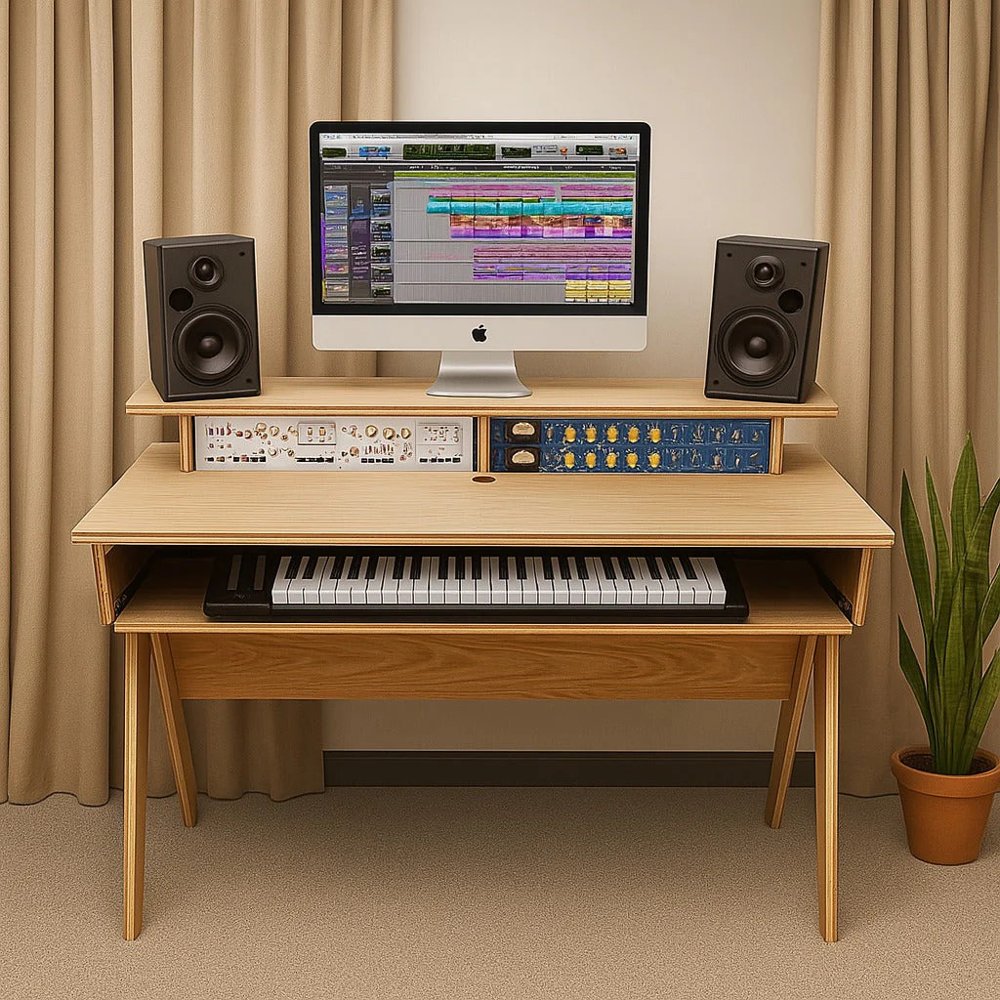
Creative work depends on rhythm, comfort, and clarity. When the working area feels calm and supportive, ideas move with less effort, and daily tasks feel lighter. A well-planned setup helps people stay focused, reduces small distractions, and supports steady output across long hours. Lighting, spacing, posture, and flow all play a quiet role in shaping how each day unfolds. Even small improvements can change how smoothly projects progress and how energized someone feels by evening. The goal is not luxury, but balance and eases that fit real routines. When the environment works with the person, not against them, results feel more natural and consistent. Studio workstation planning reflects this idea by shaping space around real creative needs. In this article, we will guide you through how thoughtful design influences workflow and everyday productivity.
Creating a space that supports focus
A creative environment works best when the mind feels settled. Clean lines, open sight, and logical placement help reduce visual noise. Instead of searching or shifting often, attention stays on the task. This calm structure allows thoughts to flow smoothly. A layout shaped with an audio workstation desk setup approach supports movement and reach without strain, allowing work to continue with fewer pauses and better concentration.
Comfort that encourages longer sessions
Physical comfort shapes mental clarity. Seating height, screen position, and arm reach influence how the body feels over time. When posture stays relaxed, energy lasts longer. An ergonomic studio workstation style supports the body quietly, helping prevent fatigue while keeping effort low. This balance allows creators to stay present during demanding sessions without feeling drained too soon.
How layout improves daily rhythm
Good layout brings order to busy days. When tools sit where hands expect them, work feels lighter.
This structure supports a digital audio workstation focused workflow by aligning space with natural habits, allowing progress without interruption.
Supporting habits that shape productivity
Daily habits grow from surroundings. A space that feels easy to use encourages consistent routines. Starting work feels less heavy, breaks feel natural and returning feels smooth. Over time, this rhythm builds confidence and reduces stress. The environment becomes a quiet partner, supporting steady output without demanding constant adjustment or effort.
Long-term value through adaptable design
Creative needs change with growth. A flexible layout allows adjustment without disruption. Space that adapts supports learning, new skills, and evolving goals. Instead of replacing everything, thoughtful planning allows small shifts. This long-term value protects time, energy, and motivation, helping creativity remain sustainable across years.
Conclusion
A thoughtfully designed creative space supports focus, comfort, and steady productivity throughout the day. From layout flow to physical ease, the right setup helps reduce strain, improve habits, and maintain creative energy. When the environment works naturally, daily tasks feel lighter and creative progress becomes more consistent and sustainable.
Bazel Studio Desk handcrafts custom studio desks with a focus on function, durability, and thoughtful design to support music producers, creators, and professionals. Their handcrafted solutions are made to fit real workspaces and enhance workflow, helping users stay productive for long creative sessions. The brand’s commitment to quality and practical design means your workspace becomes a foundation for creativity that lasts.
FAQs
How does workspace design affect creative focus?
Clear layout, balanced height, and easy reach reduce strain while keeping attention steady. When posture feels natural, thinking stays sharp, and time feels controlled. Such a balance helps tasks move forward without distraction, supporting quality results through long sessions while protecting energy for later work and maintaining calm focus every day.
What should be considered before planning a creative setup?
Planning space around real routines matters more than size. Measure reach, lighting, and movement paths before setup. Choose surfaces that invite order and cables that stay hidden. A thoughtful arrangement adapts over time, allowing changes without stress while supporting growth, learning, and steady output for teams, creators, projects, and goals daily.