
7 High Protein Vegetables to Include in Your Diet. Eating high protein vegetables is an easy, tasty and smart way to meet your nutrition needs without having to consume higher fat protein options such as animal products.
A diet high in fruits and vegetables may reduce the risk of heart disease, diabetes and even some cancers. High protein vegetables are also a great option for those who want to lose extra weight and keep it off for good. It's important to consume a wide variety of veggies in order to benefit from the nutrients your body needs, so when creating a meal plan that contains plenty of protein consider, implementing one or more of the following options. 1. Peas These small green bite-sized vegetables pack a huge punch of protein, at eight grams per serving. 2. Whether on the cob or out of a can, corn provides five grams of protein per cup. 3. Consuming a cup of chopped broccoli will provide you with three grams of protein. Curcumin. Curcumin (/ˈkərkjuːmən/) is a diarylheptanoid.
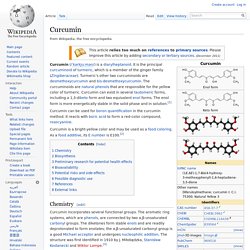
It is the principal curcuminoid of turmeric, which is a member of the ginger family (Zingiberaceae). Turmeric's other two curcuminoids are desmethoxycurcumin and bis-desmethoxycurcumin. The curcuminoids are natural phenols that are responsible for the yellow color of turmeric. Curcumin can exist in several tautomeric forms, including a 1,3-diketo form and two equivalent enol forms. The enol form is more energetically stable in the solid phase and in solution.[1] Curcumin can be used for boron quantification in the curcumin method. Curcumin is a bright-yellow color and may be used as a food coloring. Chemistry[edit] Curcumin incorporates several functional groups. 21 Things You Should Know About Using Essential Oils. Lord help me, people. I’ve spent the last two days trying to write a concise, easy guide to essential oils and their safety, and it ended up being just an enormous dump of information that no would want to ingest in a single blog post.
Therefore, you’re getting the quickest, easiest 21 facts you need to keep in mind. These things include safety measures, essential oil facts, therapeutic uses, and more. You’ll like this better. I promise. However, at the end of this post, I am going to give extensive references to those of you who would like to learn more about the fascinating world of essential oils, as well as a list of my top 7 recommended essential oils for any household to have. Essential oils are not really oils. Most essential oils should never be used undiluted on the skin. Not all essential oils are created equally, nor does more expensive necessarily mean “better.” “What essential oils do you recommend I buy?” Where should you buy them? So have at it. Any questions? Related Posts: Comedogenic Ratings.
Herb Pharm Herbal Education Links. E-News Signup | Online Store | Store Locator: Search our Site: Herbal Education Links Retailers & Practitioners Herbaculture Internship Program Videos & Media BLOG Photo Gallery Herbal Education Links ANIMAL ESSENTIALS Premium quality supplements for dogs and cats, formulated by leading experts in the field of holistic pet care.

Used and recommended by veterinarians since 1995! LECTURE & SLIDESHOW Ecological Pharmacology Enjoy this fascinating lecture by Dr. The American Botanical Council (ABC) is the leading independent, nonprofit, international member-based organization providing education using science-based and traditional information to promote the responsible use of herbal medicine. United Plant Savers' mission is to protect native medicinal plants of the United States and Canada and their native habitat while ensuring an abundant renewable supply of medicinal plants for generations to come. Sign Up for United Plant Savers' Free Quarterly E-Bulletin Christopher Hobbs, L. Oregon Tilth. 10 supplements you can take today to enhance your intelligence. Tyrosine: Good Supplement for Depression? Tyrosine Effectiveness, Safety, and Drug Interactions on RxList.
How does Tyrosine work?

The body uses tyrosine to make chemical messengers that are involved in conditions involving the brain such as mental alertness. Are there safety concerns? Tyrosine seems safe for most adults, when taken by mouth or applied to the skin. Some people experience side effects such as nausea, headache, fatigue, heartburn, and joint pain. There isn't enough information available to know if tyrosine is safe for children to use in medicinal amounts. Do not use tyrosine in medicinal amounts if: You are pregnant or breast-feeding.You have an overactive thyroid (hyperthyroidism).You have a condition known as Grave's disease.
Report Problems to the Food and Drug Administration.